
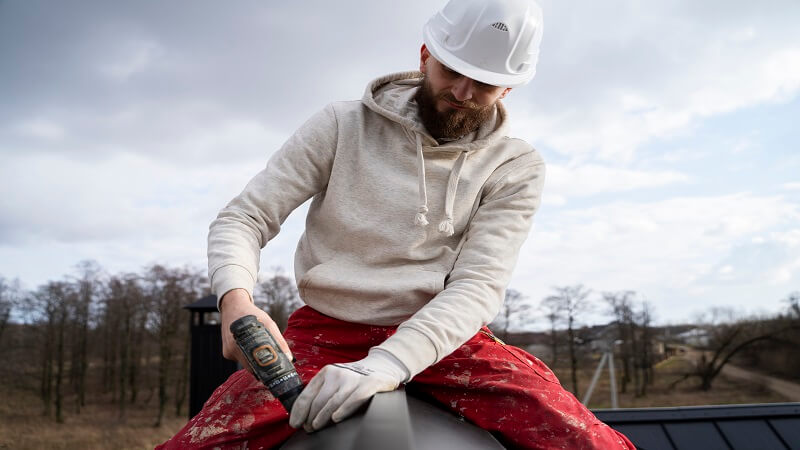
For many homeowners, tackling maintenance and repairs around the house is a source of pride and savings. Painting a room or assembling furniture are great candidate projects for a do-it-yourself approach, but when it comes to your roof, the risks rise significantly. Even the most dedicated DIY enthusiast can be unprepared for the unique challenges posed by roofing. Attempting your own roof repairs can create more problems than you anticipate—as roofing projects demand not only physical skill but a deep understanding of materials, weather patterns, and structural integrity. In many cases, the safest, smartest option is to contact local experts, such as Longhorn Roofing, to do the job right.
Your roof protects your entire home from rain, wind, and the natural elements, shielding your investment and everything inside from unforeseen damage. A single mistake, whether it’s from inexperience, lack of safety gear, or improper materials, can lead to injuries, expensive damages, and headaches with your insurance or warranties. Furthermore, roofs are complex systems composed of layers that must work together; disturbing one component without proper knowledge can undermine the whole structure. Here’s a comprehensive look at why hiring a roofing professional is the right move for any homeowner serious about protecting their property.
Safety Concerns
Roofing ranks among the most hazardous tasks homeowners can attempt, significantly increasing the risk of personal injury. The CDC reports that falls remain a leading cause of injury and death in construction, and roofing work is notorious for ladder slips, unstable footing, and accidents with tools. Sloped surfaces, loose debris, and unpredictable weather can create unexpectedly dangerous conditions, even for those with good balance and some construction experience. Instead of risking a serious accident, let experienced roofers with training in safety protocols and professional-grade fall protection take the risk off your shoulders. They not only know how to avoid common hazards, but also carry insurance to protect both themselves and your property. Professionals are accustomed to working at heights, understand how to identify structural weaknesses in roof decking, and use safety harnesses, helmets, and guardrails—equipment that most homeowners do not have.
Potential for Costly Mistakes
DIY roof repairs might sound like a way to cut costs, but in reality, they often create more expensive problems that compound over time. Small leaks or improper shingle alignment can go unnoticed by the untrained eye, causing water damage that may not become visible for weeks or months. Persistent moisture issues often lead to mold, rotting wood supports, and peeling paint—all of which cost far more to fix than hiring a professional in the first place. Improperly secured materials can blow off in heavy winds, exposing your home to damage further, and even a minor gap or seam can allow water to seep into underlying structures. Certified roofing professionals utilize their expertise to identify and address issues promptly, ensuring that repairs remain stable over time and preventing the need for future maintenance. They also use superior materials and proven techniques to deliver long-lasting results, making a professional investment a worthwhile investment.
Warranty and Insurance Implications
Most manufacturers offer warranties on roofing materials, but explicitly require installation by certified professionals. If you perform repairs yourself, you risk voiding the warranty—meaning you’ll pay out-of-pocket for any defects or future issues. In the event of severe weather or unforeseen material failure, this lack of coverage can result in substantial expenses. Additionally, insurance providers may label DIY repairs as negligence, denying claims for damages stemming from improper fixes. If an adjuster finds evidence of amateur work, you could find your coverage reduced or canceled altogether, making recovery from a storm or accident far more stressful and expensive. To protect your investment and secure your peace of mind, it’s wise to leave the work to those with both the proper credentials and insurance protection. For more information on how home warranties work and what’s protected, refer to Consumer Reports.
Time and Equipment Considerations
Roof repairs require both specialized equipment and a significant time investment—much more than most homeowners expect. Professionals come equipped with ladders, harnesses, ventilation fans, and tools specifically designed for roofing work. These are not ordinary household tools, and misusing them can make repairs even more dangerous. Even if you can rent or buy these tools, using them safely and effectively involves a learning curve. Completing a roofing project properly requires an understanding of not just the tools, but also roofing techniques, flashing, underlayment types, and proper ventilation installation. What could take an experienced team a few hours might stretch over several weekends for a homeowner, leaving your property exposed to the elements and delaying needed protection. Additionally, the risk of weather changes—unexpected rain, wind, or temperature shifts—can turn a delayed job into a disaster, soaking exposed decking or insulation and causing thousands of dollars’ worth of damage.
Identifying Underlying Issues
An experienced roofing contractor does more than fix what’s obviously broken. They conduct a thorough inspection to detect hidden damage, such as rotting wood, compromised underlayment, or subtle structural weakening. Minor hail damage, for example, can often go unnoticed by the untrained eye but can cause persistent leaks if not addressed promptly. Unfortunately, these invisible problems go overlooked in most DIY attempts, leading to recurring leaks, mold growth, or costly structural repairs down the road. Professional roofers can recommend solutions based on years of experience and often identify problems in chimneys, flashing, or gutters—areas that DIY repairs typically overlook. Early identification saves you money and preserves your home’s integrity over time, preventing costly damage before it becomes critical. For further details on the risks associated with hidden water damage and its impact on home value and safety, refer to this New York Times home maintenance guide.
Legal and Permit Requirements
In many localities, roof repairs aren’t as simple as climbing up with some shingles and a hammer. Most cities and counties require permits for roofing projects and strict adherence to building codes, which are frequently updated for fire safety, wind resistance, and energy efficiency. Navigating this bureaucracy as a homeowner can be confusing, and mistakes can result in expensive fines or the need to redo the work. Failing to pass a building inspection may also complicate future home sales or insurance renewals. Licensed roofing contractors are already familiar with permitting processes and will ensure that your roof repairs are fully compliant, thereby keeping you out of legal jeopardy. Their familiarity with local regulations streamlines the process, helping your repairs add value and security rather than legal headaches that linger long after the job is done.
Conclusion
While many home improvement projects are perfect for DIY enthusiasts, roofing isn’t one of them. The risks—from personal injury to costly mistakes, voided warranties, and legal issues—far outweigh the savings of doing it yourself. By entrusting your project to licensed professionals, you can enjoy peace of mind, high-quality artistry, and a roof that will withstand the elements for years to come. Hiring a licensed roofing professional guarantees quality artistry, ensures your home remains protected and compliant, and ultimately safeguards your investment for the long term. Ultimately, the actual value of professional roofing lies not just in immediate repairs, but in the security and reliability it provides for you and your family.