
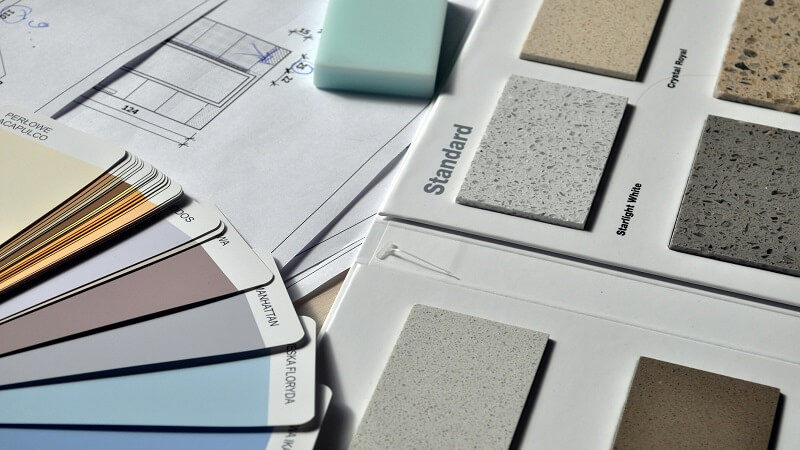
Pick the perfect colour. Nail the layout. Hire the best contractor…
…and watch your hard work chip, peel, or look tired one year down the road. It happens when you skip on the finish.
The finish is what brings everything together.
But it’s also the decision homeowners consistently rush through. Americans spent over $603 billion on home remodeling services in 2024. Choosing finishes wisely has never been more important — or more overlooked.
Let’s make sure you never cut this step again.
What You’ll Learn
- Why Choosing a Finish Matters as Much as Color
- Overview of Finish Options for Renovation Projects
- Finish Choices by Room Type (Quick Guide)
- Finding the Perfect Sheen for the Job
- Why Skimping on Surface Prep is a Recipe for Disaster
- Premium Sustainable Finishes are the Future (Hint: They’re not expensive)
- Most Common Finish Selection Mistakes
Why Choosing a Finish Matters as Much as Color
Spending hours deliberating over different colours is important. But most people spend five minutes or less on choosing the finish.
Surfaces aren’t just about aesthetics. 27% of homeowners renovate to upgrade finishes and materials. Translation? They don’t hold up and require another trip through the remodeling process.
Finishes impact how well a surface stands up to daily wear. How easy it is to clean. And whether or not it still looks great years from now.
So when renovating, start with purpose. Picture the life of that space day in and day out. For premium sustainable finish options worth considering before making any decisions, head over to https://www.rmpfinishes.com/ — a great resource for homeowners looking to get this right. A bathroom wall sees very different “life” than a wall in a living room.
Think about it…
Would a flat finish work in the kitchen? It’ll look nice when first applied, but grease and wiping won’t be kind to it. How long before it needs to be repainted?
Choose wisely. Consider how each room will be used and what finish can hold up. You’ll thank yourself later.
Overview of Finish Options for Renovation Projects
There are five main finishes used in renovation projects. They each have their purpose.
Flat / Matte: Has no shine. Absorbs light and hides imperfections on walls. Best for ceilings or walls that won’t come into much contact. More difficult to wipe down once applied.
Eggshell: Has a slight sheen. More durable than flat finishes. Works well on living room walls and dining areas. The most popular “middle-of-the-road” choice for interior walls.
Satin: Smooth, velvety sheen. Easy to clean and durable for areas that may need scrubbing. Kitchens, hallways, and kids bedrooms are great examples.
Semi-Gloss: Shine starts to become noticeable. Great durability and cleans easily. Can repel moisture better than its lower-sheen cousins. Standard for trim, doors, and bathrooms.
High-Gloss: Full shine. Stands up to cleaning and daily abuse. Typically not used on walls due to the spotlight it puts on imperfections. Used on cabinets, furniture, and as an accent.
Sheen level is just as important of a decision as color. Balance the two and the room will look how you intended.
Finish Choices by Room Type (Quick Guide)
Rooms have different functions. Here’s a quick cheat sheet for what works best where.
Kitchen Satin or semi-gloss will stand up to grease, moisture, and wiping without showing wear. Flat finishes have no place in the kitchen.
Bathroom Same story as the kitchen. Semi-gloss is standard for moisture resistance. If it’s a small bathroom with little ventilation, high-gloss walls are worth considering.
Living Room Eggshell is the best bet here for most applications. Durable enough for daily life, but won’t come off as shiny as the higher finishes.
Bedrooms For bedrooms, flat or matte can help create a calm atmosphere. Performs well under lower lighting.
Hallways/High Traffic Surfaces Satin all day every day. Hands down superior for areas that get touched or scuffed often.
Easy enough, right?
Finding the Perfect Sheen for the Job
Sheen refers to how much light a finish reflects. Which can drastically change the overall feel of a room.
Natural finishes are becoming increasingly popular. 60% prefer paints with low VOC or no VOC at all. Function still comes before fashion though. Always consider the room’s purpose first.
A rule of thumb:
- Higher sheen = More durable
- Lower sheen = Better at hiding surface imperfections
Knowing this, satin and eggshell finishes cover a wide range of rooms and offer the best of both worlds.
Why Skimping on Surface Prep is a Recipe for Disaster
There’s one step most finish-related tutorials don’t mention…
Finishes can only be as good as the surface they’re applied to. No fancy product is going to fix poor preparation work. Here’s what every surface needs before starting:
- Washed and cleared of any dust, grease, or contaminants
- Lightly sanded down and smoothed over
- Primed (especially if the surface is porous or unpainted)
- Repaired so any cracks, holes, or dents are filled even with the rest of the surface
No cutting corners. Prep may be boring but it’s vital. Otherwise the result will require repainting far sooner than expected.
Premium Sustainable Finishes are the Future (Hint: They’re not expensive)
Eco-friendly home finishes are quickly becoming table stakes.
80% of buyers want to spend more on products they know are sustainable and ethically sourced. Ultra-low VOC and zero VOC paint options are more readily available than ever before. And they offer the same durability without harmful chemicals.
Benefits of sustainable home finishes don’t stop at the environment:
- Better indoor air quality for the household
- Less toxic chemicals during the application process
- Can offer superior durability compared to traditional finishes
- Property value (as more buyers look for eco-friendly features)
The Architectural Paint market in the United States won’t stop growing. Forecasted to reach $21 billion by 2033. Demand for sustainable alternatives is a massive driver.
Most Common Finish Selection Mistakes
Here are some quick hits that will cost you down the road.
Using Low-Sheen in High-Traffic Areas Flat paint has no place in the kitchen. Applying a low-sheen finish to an area that needs frequent cleaning or will get touched often is a mistake. Always use a finish that matches the purpose of the room.
Not Using Primer Think of primer as the binding agent between the surface and a finish. Skip it and expect to see peeling within a few years.
Not Waiting to Dry Between Coats Cutting corners on drying time between coats leads to an inconsistent finish. Make sure to allow the full recommended drying time — no matter how good the product is.
Assuming Cheap Equals Good Applying a cheap interior paint that’s not meant for high-moisture areas on bathroom walls will create problems. Invest in the best products for the rooms they’re going into.
The Last Thing You Should Know: Finish is 50% of Your Project
The finish is just as important as the layout, new floors, and lighting. Many renovations fall apart because of paint. Don’t be that renovation.
Consider how each room’s finish can be tailored to the function of the space. A kitchen finish won’t be the same as a master bedroom finish. Neither should it be.
Tip: When in doubt on where to start, reach out to a local painting company for advice. Chances are they use these exact same finishes in their work every day. Many offer free consultations and can point you in the right direction.