
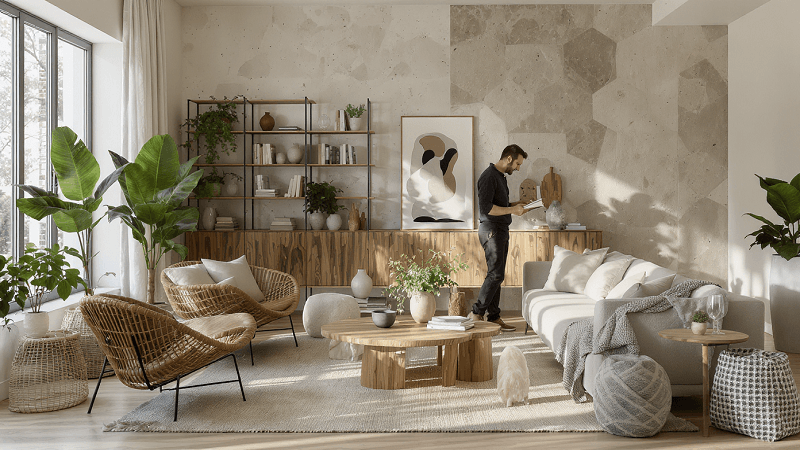
Embarking on a home renovation can be an exciting chance to upgrade both style and functionality, but it also presents an opportunity to prioritize sustainability in your living space. With the expertise of home remodelers, you can incorporate eco-conscious features and modern solutions that create a healthier, greener home for your family and the environment.
Whether you are planning a minor update or a full-scale remodel, integrating sustainable practices can reduce your home’s environmental footprint, improve energy efficiency, and even add value to your property. By making informed choices at every stage of the renovation, homeowners can create beautiful, responsible, and resource-efficient spaces.
Energy Efficiency: A Cornerstone of Sustainable Renovation
Reducing household energy use is a primary focus for many sustainable home upgrades. Installing energy-efficient appliances helps lower electricity consumption, while smart home technology, such as programmable thermostats, can automatically adjust temperatures based on your habits, saving energy throughout the year. Upgrading to double-paned windows and improving insulation in your attic and walls also keeps your home comfortable and minimizes heat loss, delivering substantial energy savings over time.
Replacing traditional incandescent light bulbs with LED options is a simple step that has a significant impact. LED bulbs use at least 75 percent less energy and last up to 25 times longer than incandescent lighting, contributing to both cost and energy conservation.
Choosing Sustainable Materials
The decision of which materials to use during a renovation can greatly affect your home’s environmental impact. Bamboo and cork flooring options are rapidly renewable, durable, and stylish. Reclaimed wood, salvaged from old barns, factories, or warehouses, infuses warmth and unique character into any space while reducing deforestation. Likewise, countertops made from recycled glass or bio-glass offer a sleek, modern appearance and use post-consumer materials that would otherwise go to waste.
Low-VOC (volatile organic compound) paints and adhesives help maintain indoor air quality, safeguarding your health during and after the renovation. As the demand for sustainable materials increases, more suppliers are offering responsibly sourced lumber and non-toxic finishes, making it easier than ever to choose products that are as good for the planet as they are for your home.
Water Conservation Strategies
Saving water is increasingly important, especially in regions facing drought or with limited resources. Installing low-flow faucets and showerheads reduces water usage without affecting your daily routines. High-efficiency, dual-flush toilets can save thousands of gallons of water every year. Outside, a smart irrigation system can monitor soil moisture and weather conditions, ensuring that landscaping receives just the right amount of water—no more and no less.
For further water savings, rainwater harvesting and greywater recycling are practical solutions for those seeking higher levels of sustainability. These systems can divert water for landscape irrigation or toilet flushing, drastically reducing your reliance on municipal water supplies and supporting local conservation efforts. Installing WaterSense-labeled products can save a typical family about 13,000 gallons of water a year.
Flexible and Multi-Functional Spaces
Modern households benefit from rooms that can serve multiple purposes as needs evolve. By designing open-concept areas or incorporating movable dividers and furniture, you can create spaces that easily convert from a home office to a guest bedroom, gym, or play area. This flexibility ensures longer-lasting use and reduces the need for future renovations, making it a sustainable move both environmentally and financially.
Biophilic Design: Bringing Nature Indoors
Biophilic design emphasizes the importance of connecting with nature within your home. Adding large windows, skylights, or light wells maximizes natural daylight, reducing dependence on artificial lighting. Indoor plants, living walls, and natural materials like wood and stone not only enhance visual appeal but can also boost mood and purify air.
Integrating Renewable Energy Sources
Solar energy is now a practical upgrade for homeowners looking to make a bigger environmental impact. Solar panels can power electrical systems and, with the right setup, significantly reduce or even eliminate utility bills. Many regions offer incentives, rebates, or tax credits that lower the upfront cost of installing solar systems. Modern heat pumps also offer efficient heating and cooling, switching seamlessly between energy sources as needed to conserve energy. These renewable options create a sustainable foundation and demonstrate a commitment to modern, responsible living.
Waste Reduction During Renovation
Minimizing waste throughout your home renovation is critical to sustainability. Deconstructing rather than demolishing allows you to salvage usable doors, fixtures, or cabinetry, significantly reducing landfill contributions. Many communities have recycling centers that accept construction materials such as lumber, drywall, or metal scraps. Sustainable renovation companies can also implement digital construction plans and just-in-time material delivery to further reduce excess and cut waste from the outset.
Conclusion
Eco-friendly home renovation merges smart design, cutting-edge technology, and mindful material choices. By prioritizing energy efficiency, sustainable sourcing, water conservation, adaptable design, biophilic elements, renewable energy, and waste reduction, you can enjoy a living space that is beautiful, functional, and environmentally responsible. As sustainable solutions become more accessible, turning your renovation into a model for modern, conscious living is easier and more rewarding than ever before.