
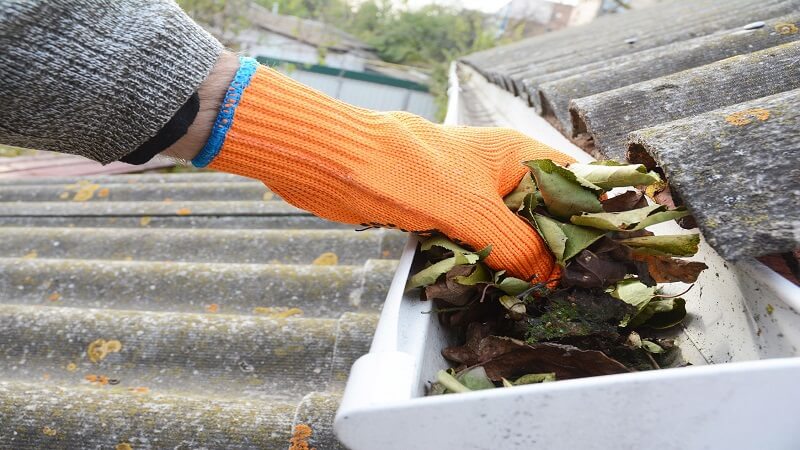
Gutters are one of those things most homeowners forget about until something goes wrong. Out of sight, out of mind. But clogged gutters cause more property damage than most people realize, and the fix is usually simple if you stay on top of it. If you live near the water or in a wooded area, the problem gets worse faster than it does elsewhere. For homeowners in this part of the state, looking into Gutter Cleaning Ocean County NJ before the fall season hits is one of the better home maintenance calls you can make.
What Actually Happens When Gutters Clog
The job of a gutter is simple. It catches water running off your roof and moves it away from the foundation. When leaves, pine needles, and debris build up, the water has nowhere to go. It sits in the gutter, overflows down the side of the house, and pools at the base of the foundation.
That pooling is where the real damage starts. Water sitting against a foundation over time works its way into cracks. Basements get wet. In colder months, that water freezes, expands, and widens any gap it got into. The repair cost for foundation issues runs into thousands. The cost of cleaning gutters twice a year does not.
There’s also the roof to think about. When water backs up in the gutter, it can push under the first row of shingles at the roof edge. That area, called the drip edge, is designed to let water flow cleanly into the gutter. When the gutter is full and overflowing backward, the drip edge gets saturated. Over time, the wood underneath rots. This is called roof edge rot and it shows up a lot in homes where gutters haven’t been maintained.
How Often Should You Actually Clean Them
Twice a year is the standard advice. Once in late spring after tree pollen and seed pods have dropped. Once in late fall after the leaves are down.
That schedule works for most homes. But if you have large trees directly over the roof, you might need a third cleaning. Pine trees are the worst offenders. Pine needles are small enough to slide into downspouts and compact into a dense plug that water can’t get through. If you have pines hanging over the house, checking gutters in midsummer isn’t a bad idea.
Coastal areas have an added issue. Salt air breaks down gutter materials faster than inland environments. Aluminum gutters hold up reasonably well, but the sealant at joints and corners tends to degrade faster near the ocean. While you’re cleaning, run your hand along the joints and check for gaps or separation. A tube of gutter sealant is a few dollars. Replacing a section of gutter because a bad joint let water run behind the fascia board for two years is not.
Can You Do It Yourself
For a single-story home, yes. A sturdy ladder, a pair of work gloves, a bucket, and a garden hose is all you need. Scoop out the debris, flush the gutters with the hose, and make sure water runs freely out of the downspouts. If it doesn’t drain from the downspout, there’s a clog inside it. A plumber’s snake or a strong burst from the hose will usually clear it.
Two-story homes are a different situation. The ladder height required to reach second-floor gutters puts you in a range where a fall is genuinely dangerous. A lot of people try it anyway and get away with it, but it’s not worth the risk. This is one of those jobs where hiring someone is a reasonable call based on safety alone, not laziness.
The Consumer Product Safety Commission reports that ladders account for tens of thousands of emergency room visits every year. Most of them happen to people doing routine home maintenance tasks who thought the job was simple enough to skip the precautions.
What to Look for While You’re Up There
If you’re already on the ladder, take an extra few minutes to look at what’s around you. Check the gutter hangers, the small brackets that hold the gutter to the fascia. If any are loose or pulled away, the gutter will start to sag and drain poorly even when it’s clean. They’re inexpensive to replace.
Look at the fascia board itself, which is the wood trim the gutter attaches to. If it looks soft, discolored, or has paint peeling in a way that looks different from the rest of the trim, there may be moisture damage behind it. Catching that early means a straightforward repair. Catching it after it’s spread means replacing a lot more material.
Also check where the downspout meets the ground. It should direct water at least four to six feet away from the foundation. If it’s dumping right at the base of the house, a downspout extension costs almost nothing and makes a real difference.