
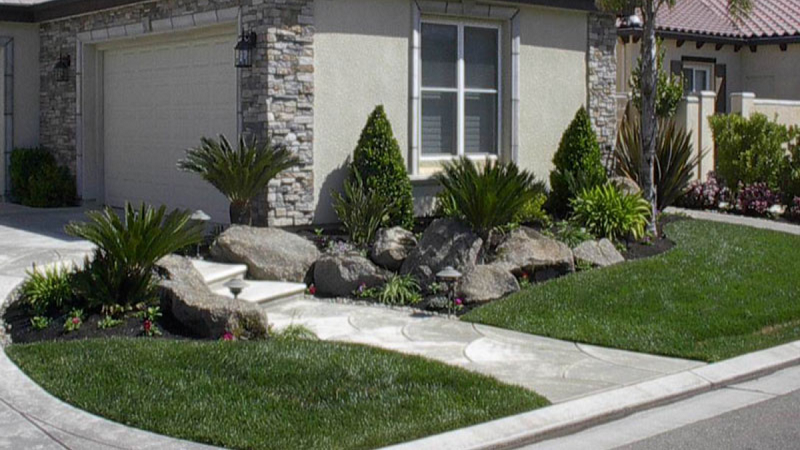
Spring is supposed to be the season when everything looks fresh again. Trees start budding, lawns turn green, and sunlight feels brighter after months of gray skies. Yet many homeowners step outside and notice something unexpected. Their home exterior looks dull, faded, or even slightly dirty. This can be confusing, especially if the property looked fine during winter. The truth is, early spring has a way of revealing buildup and damage that went unnoticed before. Subtle layers of grime, moisture, and debris accumulate over time, creating a thin film that blocks your home’s natural brightness. Understanding what causes this effect can help you restore your home’s appearance quickly and effectively.
Winter leaves more behind than just cold memories. Snow, ice, and freezing temperatures contribute to a slow buildup of grime on your home’s exterior surfaces. As snow melts, it carries dirt, salt, and debris across siding, brick, and painted areas. These particles settle into tiny cracks and textures, forming a layer that dulls the surface. Because winter light is softer and days are shorter, this buildup often goes unnoticed until spring sunlight exposes it more clearly.
One of the biggest contributors to this dull appearance is pollen. As plants begin to bloom, pollen spreads quickly and sticks to exterior surfaces. Combined with leftover moisture, it forms a sticky coating that traps dust and dirt. Over time, this creates a visible film that makes your home look older and less vibrant than it actually is. Many homeowners turn to professional help like exterior cleaning pressure washing services in Hampstead to remove this stubborn layer and restore their home’s original look before the season fully kicks in.
How Moisture Creates a Hidden Film on Surfaces
Moisture plays a bigger role than most people realize. During winter, repeated cycles of freezing and thawing allow water to seep into porous materials like brick, wood, and concrete. When temperatures rise in early spring, that moisture doesn’t simply disappear. Instead, it lingers and mixes with dirt and organic debris.
This combination creates a thin, almost invisible film that spreads across surfaces. Unlike obvious stains, this layer is subtle but widespread. It reduces the way light reflects off your home, making colors appear muted. Even freshly painted surfaces can look dull when covered with this type of buildup.
Humidity also increases in spring, especially after rainfall. Damp conditions encourage the growth of mildew and algae, which further contribute to discoloration. These growths often appear as faint green or gray patches that blend into the surface, making the entire exterior look tired and worn.
Why Sunlight Makes Everything Look Worse
Ironically, the brighter days of spring are part of the problem. During winter, limited sunlight hides imperfections. In early spring, sunlight becomes stronger and hits your home at different angles. This change in lighting highlights every layer of dirt, streak, and residue that has built up over time.
Sunlight doesn’t just reveal dirt. It enhances contrast. Clean areas reflect more light, while dirty areas absorb it. This creates uneven tones across your home’s exterior, making it look patchy or faded. What once seemed like a uniform surface now appears inconsistent and dull.
Another factor is the angle of the sun. In early spring, sunlight tends to strike surfaces more directly compared to winter. This sharper lighting makes even thin layers of grime more visible. It is often the moment homeowners realize their exterior needs attention.
The Role of Winter Debris and Environmental Residue
Beyond moisture and pollen, there is also a buildup of environmental residue. During winter, wind carries dust, soot, and airborne particles that settle on your home. If you live near roads, salt used for deicing can also contribute to the problem. These particles cling to surfaces and mix with moisture, forming a stubborn layer.
Leaves and organic debris that accumulate around gutters and siding can also leave behind stains as they break down. These stains often spread slowly, blending into the overall dull appearance of your home. Over time, they become harder to remove without proper cleaning methods.
Even areas that seem protected, such as under eaves or around windows, are not immune. Airflow carries fine particles into these spaces, allowing buildup to occur in less obvious places. When viewed as a whole, this accumulation creates a uniform dullness across the entire exterior.
How Different Materials React to Spring Conditions
Not all surfaces respond the same way to early spring conditions. Vinyl siding, for example, tends to show streaks more easily because of its smooth surface. Dirt and pollen create visible lines when rainwater runs down the panels.
Brick and stone, on the other hand, are more porous. They absorb moisture and trap dirt within their texture. This makes discoloration appear deeper and more difficult to clean. Painted wood surfaces can also suffer, as moisture weakens the paint over time, allowing grime to settle in more easily.
Concrete driveways and walkways are especially prone to dullness. Winter salt, combined with moisture and dirt, often leaves behind a chalky or stained appearance. This contributes to the overall look of the property, making even a well-maintained home appear less appealing.
Why Regular Cleaning Makes a Big Difference
The key to restoring your home’s brightness is removing the buildup that causes dullness in the first place. Regular cleaning helps prevent layers of grime from accumulating over time. It also protects surfaces from long-term damage caused by moisture and organic growth.
Pressure washing is one of the most effective ways to clean exterior surfaces. It removes dirt, pollen, mildew, and other contaminants quickly and thoroughly. Unlike simple rinsing, it reaches into small crevices where grime tends to hide.
Many homeowners choose to schedule cleaning in early spring. This timing helps prepare the home for the warmer months when outdoor spaces are used more frequently. A clean exterior not only improves appearance but also extends the lifespan of materials.
Signs Your Home Needs a Spring Refresh
There are several signs that indicate your home exterior needs attention. If colors appear faded or uneven, it is often due to a layer of buildup rather than actual damage. Streaks on siding, dark patches on brick, or greenish spots from algae are also clear indicators.
Another sign is a lack of brightness in direct sunlight. If your home looks dull even on a clear day, it likely has a film covering the surface. Pay attention to areas around gutters, windows, and shaded spots, as these tend to accumulate the most grime.
Addressing these signs early can prevent more serious issues later. Mold and mildew, if left untreated, can spread and cause damage to surfaces. Regular maintenance keeps these problems under control.
Preparing Your Home for the Outdoor Season
Spring is the perfect time to get your home ready for outdoor living. Clean surfaces create a more inviting environment for gatherings, relaxation, and everyday enjoyment. Whether it is your siding, driveway, or patio, a refreshed exterior makes a noticeable difference.
Beyond aesthetics, cleaning also improves safety. Removing algae and mildew from walkways reduces the risk of slipping. Clearing debris from gutters helps prevent water damage. These small steps contribute to the overall health of your home.
Taking care of your exterior early in the season also saves time and effort later. Instead of dealing with heavy buildup in summer, you maintain a clean and bright appearance throughout the year.
FAQs
- Why does my house look dirtier in spring than in winter?
In winter, low light and snow cover hide dirt and buildup. In spring, stronger sunlight reveals grime, pollen, and moisture-related residue that accumulated over the colder months. - Can pollen really make my home look dull?
Yes, pollen sticks to surfaces and mixes with moisture and dust. This creates a thin film that reduces brightness and makes colors appear faded. - Is pressure washing safe for all exterior surfaces?
When done correctly, pressure washing is safe for most materials. However, different surfaces require different pressure levels, so professional handling is often recommended. - How often should I clean my home exterior?
Most homes benefit from a thorough cleaning at least once a year, ideally in spring. Areas with high humidity or pollution may require more frequent maintenance.
Conclusion
The dull look of your home in early spring is not a coincidence. It is the result of months of accumulated grime, moisture, and environmental residue. Pollen adds another layer, while stronger sunlight makes everything more visible. Together, these factors create a thin film that hides your home’s true color and vibrancy.
The good news is that this problem is temporary and manageable. With proper cleaning and maintenance, you can restore your home’s appearance and protect it from further damage. Early spring is the ideal time to address these issues, ensuring your home looks its best for the months ahead. A clean exterior not only enhances curb appeal but also creates a more enjoyable living environment.