
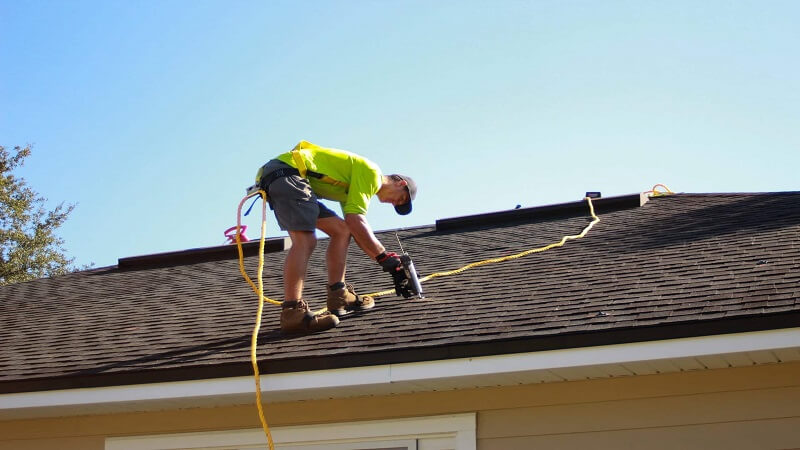
Most people don’t spend much time thinking about their roof until they have a problem. Then the questions come fast, and it’s hard to know which answers to trust. The Common Roofing Questions homeowners ask most often tend to fall into the same categories: cost, timing, materials, and what to do after a storm. Getting clear answers before you’re in the middle of a project makes a real difference.
One of the first things people want to know is how long a roof is supposed to last. The honest answer depends on the material. A standard three-tab asphalt shingle might give you 15 to 20 years in a Texas climate. An architectural shingle is typically rated for 25 to 30. Metal roofing can last 40 to 50 years or longer. The heat and hail exposure in San Antonio pushes those numbers down compared to milder climates, which is worth factoring into your material choice.
The next question is almost always about cost. Roofing estimates vary a lot, and homeowners are often surprised by how wide the range can be between contractors. That spread isn’t random. It reflects differences in material quality, crew experience, what’s included in the scope, and whether the contractor is properly licensed and insured. A low bid that skips underlayment upgrades or uses a less experienced crew isn’t the same product as a higher bid that doesn’t.
People also want to know whether they actually need a full replacement or if repairs will do. There’s no universal answer. A roof with isolated damage in one area, solid decking, and years of life left in the shingles might be a strong candidate for targeted repair. A roof that’s aging out, has multiple problem areas, or took widespread hail damage is usually better addressed with a full replacement. Getting an honest assessment from a contractor who doesn’t have a financial stake in pushing one direction over the other is the key.
After a hail storm, the question shifts to insurance. A lot of homeowners aren’t sure whether to call the insurance company first or get a contractor out first. In most cases, getting an independent inspection from a roofing contractor before filing is the smarter move. It gives you documentation of what was found and a baseline to compare against the adjuster’s assessment. Filing without knowing your damage picture can lead to a claim that gets underpaid because no one pushed back on what was missed.
Warranty questions come up constantly too, and they trip people up. There are two separate warranties on any roofing job: the manufacturer warranty covering the materials and the workmanship warranty covering the installation. They don’t cover the same things. A material defect falls under the manufacturer. A leak caused by improper flashing installation falls under the contractor’s workmanship warranty. Knowing which is which matters when something goes wrong. And most manufacturer warranties have conditions that can void coverage if installation wasn’t done to their specs, which is one reason contractor certification matters.
A lot of homeowners also ask about timing. Is there a best season to replace a roof in Texas? Late fall and winter are often easier scheduling windows since they’re outside peak storm season. But roofing can be done year-round here. What matters more than season is not waiting when the roof actually needs attention. Damage that sits through a rainy season usually gets worse, and the interior work that results costs more than the roof repair would have.
Ventilation is another area that doesn’t get asked about nearly enough. Homeowners almost never bring it up unprompted, but a new roof installed over an attic with poor ventilation will underperform from day one. Heat buildup shortens shingle life, drives up cooling costs, and can affect warranty coverage. A contractor who checks attic airflow during an estimate is doing their job right. One who never mentions it is skipping a step.
The questions homeowners ask before a roofing project are just as important as the ones they ask during. Knowing what to look for, what to push back on, and what the answers should sound like puts you in a much better position when it’s time to make decisions that will affect your home for the next 20 to 30 years.