
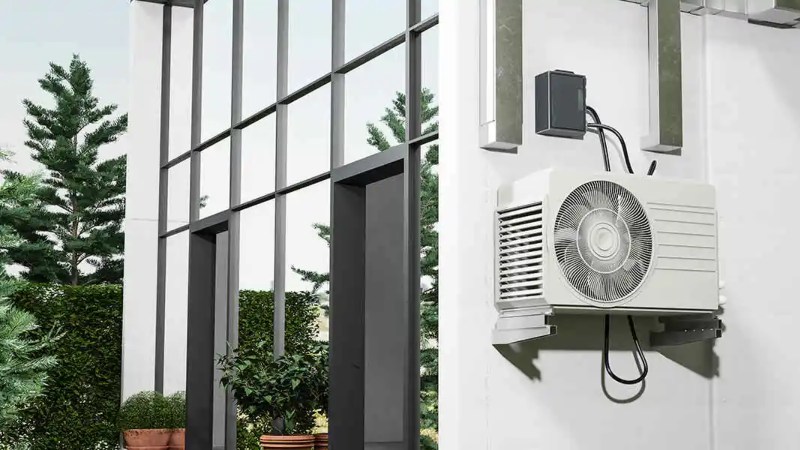
Home buyers today pay close attention to operating costs and comfort systems. An aging furnace, inefficient air conditioner, or poorly performing heat pump can raise questions about future expenses and reliability. Upgrading to more efficient heating and cooling equipment often improves day-to-day comfort while signaling to potential buyers that the home has been thoughtfully maintained. These improvements can contribute to a stronger overall impression when the property is listed.
Modern systems reduce energy use, deliver more consistent temperatures, and frequently include features that older equipment lacks. When homeowners plan these changes carefully, the investment supports both lower utility bills and greater appeal in the resale market. Many owners begin the process by exploring residential hvac service for homes that focuses on efficiency and long-term performance.
High-Efficiency Heating and Cooling Equipment
Replacing an older furnace or air conditioner with a high-efficiency model is one of the most direct ways to improve both comfort and market perception. Newer furnaces with higher Annual Fuel Utilization Efficiency ratings convert a greater share of fuel into usable heat. On the cooling side, units with elevated Seasonal Energy Efficiency Ratio ratings deliver the same cooling with less electricity.
Heat pumps have also advanced significantly. Modern cold-climate models provide reliable heating even when outdoor temperatures drop, while still offering efficient cooling in warmer months. Because a single system handles both functions, the equipment takes up less space and simplifies maintenance. Buyers often view a recent high-efficiency installation as a tangible benefit that reduces the likelihood of early replacement costs after purchase.
Smart Thermostats and Control Systems
A programmable or smart thermostat gives precise control over heating and cooling schedules. These devices learn occupancy patterns, allow remote adjustment, and can report energy use over time. The result is less runtime when the house is empty and more consistent temperatures when people are home.
From a resale perspective, smart controls signal that the home is equipped for modern living. Many buyers already use similar technology and appreciate finding it already installed. The relatively modest cost of a quality thermostat, paired with proper setup, often yields noticeable energy savings while adding a contemporary feature that stands out during showings.
Duct Improvements and Airflow Optimization
Even the most efficient equipment cannot perform well if the duct system leaks or is poorly designed. Sealing accessible duct joints and insulating ducts that run through unconditioned spaces reduces the amount of conditioned air lost before it reaches living areas. Balancing airflow so that each room receives an appropriate volume of air further improves comfort and efficiency.
Homes with documented duct sealing or recent airflow improvements present better during inspections. Buyers and their inspectors recognize that a well-sealed distribution system supports the performance of whatever equipment is installed. These upgrades also tend to make temperatures more even from room to room, an attribute that is immediately noticeable when walking through the house.
Zoning and Targeted Comfort Solutions
In larger homes or those with distinct living areas, zoning systems allow different parts of the house to be conditioned independently. Dampers in the ductwork, or separate ductless units in specific rooms, make it possible to heat or cool only the occupied spaces. This approach lowers energy use and gives occupants greater control over their environment.
Zoning can be especially attractive in multi-story homes or properties with finished basements and bonus rooms. Buyers evaluating such homes often respond positively to the flexibility of conditioning only the areas in use. The ability to avoid heating or cooling unused space is both practical and easy to demonstrate during a showing.
Indoor Air Quality Enhancements
Energy-efficient upgrades frequently include better filtration and ventilation options. High-MERV filters, media air cleaners, or energy-recovery ventilators improve the quality of circulating air while the system runs. These additions address concerns about dust, allergens, and stale air that can arise in tightly sealed modern homes.
When indoor air quality components are part of a recent HVAC update, they reinforce the impression that the home has been upgraded with occupant health and comfort in mind. This detail can differentiate a property in a competitive market where buyers compare multiple listings with similar square footage and finishes.
Timing and Documentation Matter
The value of an HVAC upgrade is greatest when the work is relatively recent and well documented. Keeping records of equipment model numbers, efficiency ratings, installation dates, and maintenance history gives buyers confidence that the system is reliable. Professional installation that follows manufacturer guidelines and local codes further supports that confidence.
Completing major upgrades a few years before listing the home allows the owners to benefit from lower operating costs while still presenting the equipment as current. Waiting until the system is near the end of its expected life can leave buyers calculating the cost of imminent replacement, which may affect offers.
Balancing Cost and Return
Not every efficiency improvement carries the same weight with buyers. High-efficiency primary equipment and a modern thermostat tend to be more visible and more readily understood than specialized accessories. Focusing first on the core heating and cooling system, then adding supporting measures such as duct sealing or improved filtration, usually produces the clearest combination of daily savings and resale appeal.
Local climate influences which upgrades deliver the strongest results. In regions with long heating seasons, furnace or heat-pump efficiency receives more attention. Where cooling dominates, the air-conditioning side of the system becomes the priority. Matching the upgrade to the climate and the home’s existing layout keeps the investment practical.
Conclusion
Energy-efficient HVAC upgrades improve daily comfort and reduce operating costs while also strengthening a home’s position in the resale market. High-efficiency equipment, smart controls, sealed and balanced ducts, zoning options, and better indoor air quality each contribute to a more attractive overall package. When these improvements are properly installed and documented, they give potential buyers tangible reasons to view the property favorably. Thoughtful planning that prioritizes the most impactful changes helps homeowners capture both ongoing savings and added value when it is time to sell.