
Ever stepped into the shower and got a sad little trickle…
And yet your neighbour two doors down has pressure so strong it can knock the shampoo out of your hand?
Believe it or not, this occurs much more frequently than most would think. You can have two houses on the same street hooked up to the same water main and get completely different pressures at the tap. And it’s almost never a case of bad luck. Something within one of those homes is silently restricting the flow.
The good news?
When you find the true underlying problem most pressure issues can be corrected. Many times within an afternoon.
What you’ll uncover:
- What normal water pressure actually looks like
- The real reasons pressure drops in one home and not another
- Quick checks any homeowner can run this weekend
- When the problem stops being a DIY job
What “Normal” Water Pressure Really Means
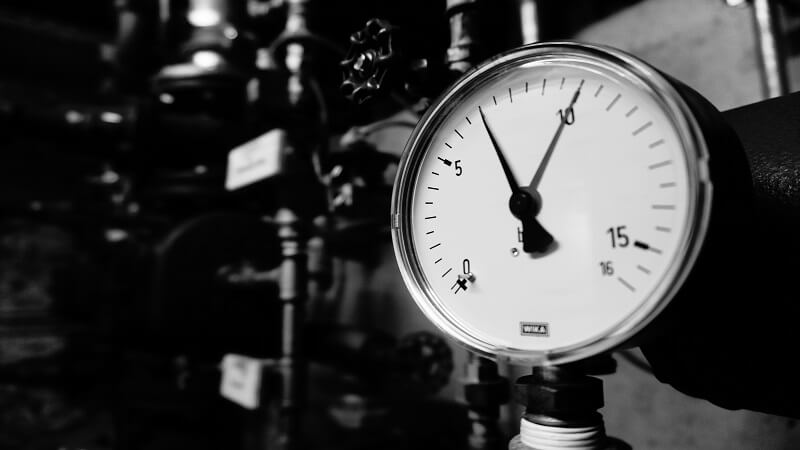
Most homes operate between 40 and 60 psi. When you dip below 40 psi showers don’t spray hard and appliances take a long time to fill up. Above 80 psi, every fitting and seal in your home is stressed all of the time.
Here’s the part that catches people out…
Pressure is different from flow. Pressure is what makes the water move. Flow is how much water reaches the tap. A house can have perfectly good pressure at the meter and have pathetic shower performance because of restricted flow between the street and the showerhead.
People who live in hot, dry climates tend to be experts when it comes to taking care of their AC. They schedule an AC tune-up every spring, change the filters and run the system all summer long… but they never worry about the water lines hidden inside those walls. That’s precisely why professional plumbers hear so many pressure complaints in older communities. Homeowners put a reminder on their calendar for the AC tune-up. They won’t think of the plumbing until it’s already broken. Treat the water system to the same annual attention you give your AC and minor restrictions can be caught before they lead to cold, dribbling showers.
The Age And Material Of The Pipes
This is the biggest reason two neighbouring homes behave differently.
Galvanised steel pipes were commonly used in homes built prior to the 1960s. Rust builds up on the inside of the pipes, leaving a crusty texture on the interior wall. What was once a three-quarter inch opening can reduce to the functional diameter of a straw.
The homeowner doesn’t see any leak. No stain. No heads up whatsoever. Just diminishing water pressure year after year.
Copper and PEX homes just don’t have this problem to the same degree. This is why the 1958 house suffers but the remodeled home next door doesn’t. Even the pipes that feed the street are getting older. The average age of water mains in the U.S. is now about 45 years.
Watch for these signs of pipe corrosion:
- Discoloured or rusty water first thing in the morning
- Pressure that has faded slowly over several years
- Hot water noticeably weaker than cold water
- Older fixtures clogging up again and again
Hidden Leaks Bleeding Off Pressure
Every ounce that leaks away before it reaches the faucet is lost pressure.
And most household leaks are invisible. They lurk under slabs, behind walls or under the yard. The only sign? A water bill that’s a little higher than it should be. The EPA says nine percent of homes waste 50 or more gallons every day due to leaks.
That is enough waste to drag pressure down across an entire house.
The easiest way to check for this is by doing this little test. Shut off all the taps and appliances in your house. Read your meter. Then wait two hours without using any water. If your meter has gone up, you have a leak.
Mineral Scale Building Up Inside The System
Here is something most homeowners never consider…
According to the U.S. Geological Survey, 85% of Americans bathe and cook with hard water. All that dissolved calcium and magnesium does leave scale behind and scale does not just sit in the kettle. It builds up on the inside of pipes, gets caught in aerators, plugs shower heads and coats the inside of the water heater.
Scale helps account for some of this same-street mystery. Your neighbor with a water softener will maintain pressure for years. The identical house next door on untreated water loses a little pressure every year until their shower blows weak.
The Pressure Regulator Nobody Checks
In most homes there is a pressure reducing valve located where the main line enters the house. This valve’s purpose is to reduce the street main’s fighting pressure down to a manageable level for the plumbing.
These valves typically last 10 to 15 years.
A regulator that begins to fail will typically fail closed. The entire house pressure will plummet off a cliff overnight. That’s the tell: corrosion and scale cause gradual failure, but a bad regulator causes instantaneous failure. All the taps go weak simultaneously and nothing else in the house has changed.
The Street Side Of The Story
Sometimes the home is fine and the supply is the problem.
The further your home is from the source, whether it’s at the end of a lengthy service line, on top of a hill or dangling off of an ancient main, the lower pressure you will experience. Pressure is lost with every foot of elevation and distance travelled.
The local utility does too. In 2025, there were an estimated 240,000 water main breaks nationwide and repairs, valve operations, and sudden increases in demand all register as fluctuations in pressure within residences.
When the pressure drops every day around the same time, often early morning or early evening hours, neighborhood demand is probably your issue rather than something within your walls.
Fixtures, Filters And Easy Wins
Eliminate the little things before jumping to conclusions. Many “whole house” pressure issues are caused by just one blocked component.
Run through this list first:
- Unscrew the aerator on each tap and clear the debris
- Soak shower heads in vinegar to dissolve the scale
- Check that the main shut-off valve is fully open
- Replace whole-house water filters that are past due
- Confirm the problem affects every fixture, not just one
If only one fixture fails to deliver pressure, then the fixture is likely causing the problem. If all areas of the home lack pressure, then look further up stream for the cause.
Bringing It All Together
Water pressure doesn’t mysteriously drop. Pipes corrode and narrow causing loss of pressure. Minerals build up, reducing flow. Water leaks out decreasing pressure. Pressure regulators fail without warning. Too many users cause low pressure.
The house next door is at different pressure because they have a different mix of those five factors.
Begin with complimentary checks. Check meter for leaks, clean aerators, verify main valve is open etc. Also observe whether the drop was quick or gradual. That last piece of information reveals more to the trained plumber than anything else.
And think of your water system as you would your air conditioning. You don’t neglect an AC tune-up and then expect a comfortable home in July. Apply that same philosophy to the pipes servicing every room in the house.