
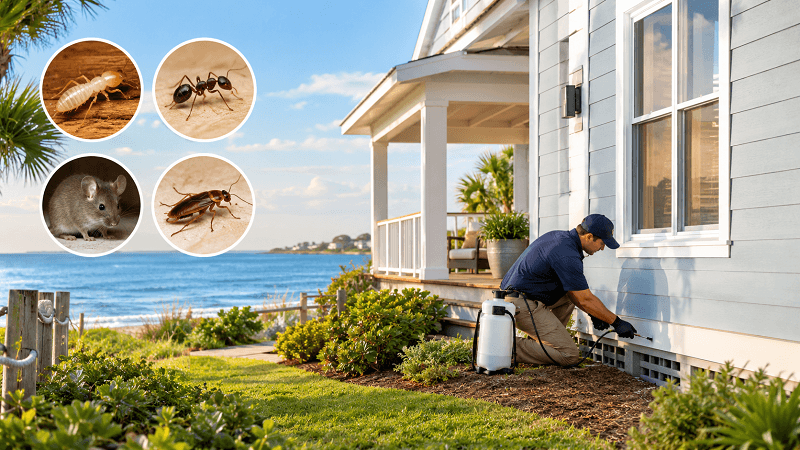
A small gap beneath a door or a damp corner behind a cupboard can become an open invitation for unwanted pests to settle inside a home.
Coastal environments create specific challenges for homeowners because warmth, humidity, rainfall and surrounding vegetation can provide favourable conditions for many insects and rodents. Understanding how pests enter buildings, what attracts them and how to remove those attractions helps prevent recurring infestations and protects the property over time.
For residents dealing with insects, rodents or other household pests, pest control Gold Coast services can help identify the source of the problem, assess its severity and determine an appropriate treatment plan. However, effective pest management also depends on everyday maintenance, good sanitation and timely action when early warning signs appear.
Why Coastal Properties Need Consistent Pest Prevention
The Gold Coast’s subtropical climate can support pest activity throughout much of the year. Warm conditions encourage many insects to remain active, while periods of heavy rain may drive some pests towards sheltered indoor spaces.
Moisture is another important factor. Leaking pipes, blocked gutters, wet timber and poorly ventilated storage areas can attract pests or create conditions in which they thrive. Ants may search kitchens for food, cockroaches may gather around water sources, and termites can exploit susceptible timber when suitable conditions are present.
Landscaping also affects pest activity. For homeowners seeking pest control Gold Coast solutions, overgrown shrubs touching exterior walls, accumulated leaves and timber stored directly against a building are important factors to address, as they can create shelter and potential access routes for unwanted pests.
Regular inspections help property owners identify these conditions before they contribute to a larger problem. Prevention is generally easier when pest activity is detected early rather than after damage or widespread infestation becomes apparent.
Common Household Pests and Their Warning Signs
Recognising the type of pest involved is an important first step because different species require different management methods.
Termites and timber damage
Termites can damage structural timber, flooring, window frames and other wooden components. Warning signs may include mud leads, damaged timber, discarded wings or changes in the appearance of wooden surfaces. However, termite activity can remain hidden, and visible damage does not always reveal the extent of an infestation.
Suspected termite activity should be assessed by a suitably qualified professional. Avoid disturbing mud leads or applying general insecticide directly to suspected termite areas, as this may interfere with proper inspection and treatment.
Cockroaches and ants
Cockroaches commonly seek food, water and sheltered spaces, particularly around kitchens, drains, appliances and storage areas. Ants may enter through small cracks while following food residues or established trails.
Keeping food sealed, cleaning spills promptly and repairing plumbing leaks can reduce the resources these pests need. If activity continues despite these measures, locating the entry point and nesting area becomes important.
Rodents and spiders
Rodents may enter through gaps around pipes, damaged vents or openings beneath doors. Droppings, gnaw marks, scratching sounds and disturbed food packaging can indicate their presence.
Spiders often appear where insects are readily available or undisturbed hiding places are plentiful. Reducing clutter, sealing gaps and managing outdoor lighting that attracts insects can help make properties less attractive to some spider species.
Practical Steps to Reduce Pest Activity
Effective prevention starts with reducing access to food, water and shelter.
- Seal entry points: Inspect door seals, window frames, vents and service penetrations. Use suitable materials for the location and avoid blocking required ventilation.
- Control moisture: Repair leaking taps and pipes, clear gutters and downpipes, and improve ventilation in damp areas.
- Maintain outdoor spaces: Trim vegetation away from exterior walls and remove accumulated leaf litter where practical.
- Store food securely: Use sealed containers for pantry items and pet food, and empty rubbish bins regularly.
- Reduce clutter: Keep garages, sheds and storage areas organised so potential hiding places and signs of pest activity are easier to identify.
- Inspect timber carefully: Keep stored timber away from buildings and the ground where practical, while maintaining appropriate clearances around the property.
These measures can reduce the likelihood of pest problems, although they cannot guarantee that a property will remain pest-free.
Choosing the Right Treatment for the Problem
Not every pest issue requires the same response. A treatment suitable for ants may be ineffective against termites, while an approach designed for rodents may not address the conditions attracting cockroaches.
Integrated pest management combines inspection, identification, sanitation, exclusion and targeted treatment. This approach focuses on understanding why pests are present rather than relying exclusively on repeated chemical applications.
When arranging an inspection, homeowners can compare the assessment process, proposed treatment, safety precautions and follow-up recommendations. For example, gold coast pest experts is one local service name residents may encounter when researching options for household pest concerns.
Before treatment begins, ask which pest has been identified, where the activity is occurring and what preparation is required. Any pesticide should be used according to its label and applicable Australian requirements. Children, pets, food preparation areas and aquariums may require specific precautions.
For termite concerns, ask whether the inspection covers accessible risk areas and whether ongoing monitoring or further assessment is recommended. For rodents, confirm how entry points will be addressed alongside trapping or other control measures.
A clear explanation of the proposed work makes it easier to understand what the treatment can achieve and which preventive steps remain necessary.
When Should You Seek Professional Assistance?
Professional assessment is advisable when pest activity persists, spreads to multiple rooms or returns shortly after treatment. It is particularly important when termites are suspected, rodents may be contaminating food areas, or a pest cannot be identified confidently.
Large infestations, inaccessible nesting sites and recurring activity may require specialised equipment or treatment methods. Homeowners should avoid mixing chemicals, using outdoor products indoors or applying pesticides in ways that contradict label instructions.
Keep records of recurring sightings, affected locations and any property damage. Photographs can also help a technician understand the problem before an inspection, although they do not replace an on-site assessment when one is needed.
Frequently Asked Questions
1. How often should a home be inspected for pests?
The appropriate frequency depends on the property’s age, construction, surroundings and history of pest activity. Follow relevant inspection recommendations, particularly for termites, and arrange additional checks if warning signs appear.
2. What attracts pests into a house?
Accessible food, standing water, damp materials, clutter and small entry gaps can attract or shelter different pests. Addressing these conditions helps reduce the risk of infestation.
3. Are DIY pest control products effective?
Some products can help with minor, clearly identified problems when used correctly. Persistent infestations or suspected termites may require professional assessment and a targeted treatment strategy.
4. How can I prevent termites in a coastal home?
Manage moisture, maintain suitable drainage, avoid storing timber against the building and keep inspection zones accessible. Arrange appropriate termite inspections and investigate suspicious timber damage promptly.
5. Is pest treatment safe for children and pets?
Safety depends on the product, application method and exposure conditions. Follow label directions and the technician’s instructions about restricted areas, ventilation and re-entry.
6. Why do pests return after treatment?
Pests may return if entry points remain open, food and moisture are still available, the original nesting area was not addressed or nearby activity continues. Correct identification and preventive maintenance help address these underlying causes.
Conclusion
Long-term pest prevention begins with a well-maintained property, early detection and treatments suited to the specific pest. For homeowners considering pest control Gold Coast solutions, combining professional assessment where necessary with practical household maintenance can reduce recurring problems and help protect the home.