
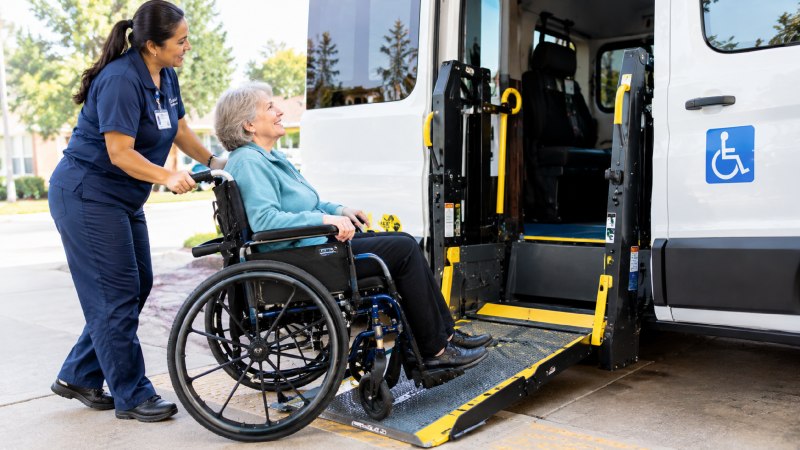
Medical transportation is about more than getting a passenger from one location to another. For people with disabilities, limited mobility, or medical conditions, the quality of assistance provided before, during, and after a trip can directly affect their comfort, safety, and independence. ADA-compliant passenger assistance is therefore not simply a matter of having an accessible vehicle. It involves trained drivers, respectful communication, appropriate boarding procedures, secure mobility devices, and a clear understanding of individual needs. In non-emergency medical transportation (NEMT), these practices become especially important because passengers may be elderly, recovering from procedures, using wheelchairs, or dealing with physical limitations. Understanding what proper assistance looks like helps transportation providers create safer, more respectful experiences while building reliable systems for passengers and staff.
What ADA-Compliant Passenger Assistance Means
The Americans with Disabilities Act establishes protections designed to help people with disabilities access transportation and other services. The specific ADA requirements can vary depending on the type of transportation provider, public entity, vehicle, and service involved. For transportation providers, accessibility is not limited to vehicle design. The way passengers are treated and assisted is also an important part of providing accessible transportation.
In an NEMT setting, passenger assistance typically involves helping a person safely approach, enter, ride in, and exit a vehicle without unnecessary barriers. The assistance should be based on the passenger’s actual needs rather than assumptions about their disability.
For example, one passenger may independently use a wheelchair but need help navigating a ramp. Another may use a walker and require a steady arm while stepping into the vehicle. Someone with limited vision may need clear verbal directions rather than physical assistance.
The central idea is simple: assistance should promote safety, dignity, independence, and equal access.
Starting With Respectful Communication
Good passenger assistance begins before the vehicle moves. Drivers should communicate clearly with passengers, introduce themselves when appropriate, confirm the destination, and ask what assistance is needed.
A driver should not automatically grab a wheelchair, walker, arm, or mobility aid without permission. Instead, asking a simple question such as, “How can I assist you?” gives the passenger an opportunity to explain what works best for them.
This approach is particularly important because disabilities vary widely. Two people who use wheelchairs may have completely different abilities and preferences. One may want to transfer independently, while another may require hands-on assistance.
Communication should also remain professional when a passenger has difficulty speaking, hearing, seeing, or processing information. Drivers can slow down their communication, repeat important details, use clear language, or follow the passenger’s preferred communication method.
Respectful communication also means avoiding unnecessary questions about a person’s medical condition. Drivers need enough information to provide safe transportation, but passengers should not feel pressured to disclose private details that are unrelated to the trip.
Safe Boarding and Exit Assistance
Boarding and exiting a medical transportation vehicle can be one of the most important parts of the passenger experience. A driver needs to understand how to position the vehicle, deploy accessibility equipment, create a safe boarding area, and provide appropriate assistance.
For wheelchair users, this may involve correctly operating a ramp or lift and making sure there is enough space for safe movement. The driver should ensure the equipment is properly positioned before asking the passenger to proceed.
Passengers who use walkers or canes may require a different approach. The driver should allow adequate time for the person to move at their own pace and should avoid rushing them because of scheduling pressure.
For passengers who can walk but have balance difficulties, safe positioning and clear instructions can reduce the risk of falls. The driver should also be alert to environmental hazards such as uneven pavement, wet surfaces, snow, obstacles, or steep slopes.
A professional approach recognizes that assistance is not about doing everything for the passenger. It is about providing the appropriate level of support while allowing the passenger to maintain as much independence as possible.
Training Drivers for ADA-Compliant Passenger Assistance
Proper passenger assistance requires practical knowledge. A driver may have a clean driving record and years of road experience but still need specialized training to safely assist passengers with disabilities and mobility limitations.
Training can cover wheelchair securement, boarding procedures, passenger communication, disability awareness, vehicle safety, emergency response, and other skills relevant to NEMT operations. MediCar Safety’s Illinois NEMT certification program, for example, includes passenger safety and assistance, wheelchair securement, ADA awareness, disability sensitivity, vehicle safety, and emergency procedures.
For transportation professionals seeking structured preparation, an ADA-compliant NEMT driver certification can help build the practical knowledge required for professional passenger assistance. MediCar Safety describes its Illinois program as state-approved and focused on passenger assistance, wheelchair securement, disability sensitivity, and vehicle safety.
Training is particularly valuable because improper assistance can create risks for both passengers and drivers. A driver who does not understand wheelchair tie-down procedures, for example, may incorrectly secure a mobility device. Similarly, attempting to physically lift a passenger without appropriate training can increase the risk of injury.
Well-trained drivers know when to assist, how to assist, and when to allow a passenger to complete an activity independently.
Wheelchair Securement Is Part of Passenger Safety
Wheelchair securement is a critical part of accessible medical transportation. A wheelchair should be secured according to the vehicle and restraint system manufacturer’s instructions and applicable requirements.
Drivers need to understand how tie-down systems work and how to position a wheelchair correctly. They should also know how to check that the mobility device is stable before the vehicle begins moving.
The passenger’s safety restraint is also important. Wheelchair securement and passenger restraint serve different purposes, and both need to be handled correctly according to the applicable equipment and operating procedures.
MediCar Safety identifies wheelchair securement and tie-down procedures as a core component of its NEMT driver certification curriculum, including procedures for manual and power wheelchairs.
A careful securement routine should never be rushed simply because a driver is behind schedule. A few additional moments spent checking the setup can make a major difference in transportation safety.
Assistance Should Protect Passenger Dignity
Physical assistance can sometimes feel personal or uncomfortable, especially when a passenger needs help with movement. Professional drivers should therefore maintain appropriate boundaries.
A passenger should be treated as an adult and addressed directly rather than spoken about as though they are not present. Drivers should also avoid infantilizing language, jokes about disabilities, unnecessary touching, or comments about a passenger’s physical appearance.
Privacy matters too. NEMT drivers may encounter passengers who are traveling for cancer treatment, dialysis, rehabilitation, mental health appointments, or other sensitive healthcare services. Drivers should avoid discussing a passenger’s health information with other passengers or people who do not need to know it.
Dignified service can be as simple as giving passengers enough time, explaining what will happen next, and asking permission before providing physical assistance.
Handling Service Animals and Mobility Devices
Accessible transportation also means understanding that passengers may travel with service animals or different types of mobility equipment.
Drivers should not make assumptions about a passenger’s abilities based on the presence of a disability or mobility device. They should follow applicable transportation policies and legal requirements while maintaining a respectful attitude.
Mobility equipment should be handled carefully. Wheelchairs, walkers, canes, and other devices are not merely luggage. They are often essential tools that allow passengers to remain independent.
A driver should therefore avoid placing mobility equipment where it could become damaged, block an emergency exit, or create a safety hazard. Equipment should be handled according to appropriate safety procedures and secured whenever necessary.
What Good Assistance Looks Like During the Trip
ADA-compliant assistance does not end after the passenger boards the vehicle. The driver should continue to provide a safe and respectful environment throughout the journey.
That can mean driving smoothly, avoiding unnecessary sudden movements, monitoring the passenger without being intrusive, and responding appropriately if the passenger needs additional assistance.
For passengers with mobility limitations, abrupt acceleration, sharp turns, or sudden braking can create discomfort or instability. A defensive driving approach is therefore especially important in medical transportation.
Drivers should also remain aware that passengers may have appointments scheduled around specific treatment times. Even so, punctuality should never encourage unsafe driving. A transportation provider’s scheduling system should give drivers enough time to complete boarding, secure equipment, and transport passengers safely.
Preparing the Vehicle for Accessible Transportation
Passenger assistance starts with the condition of the vehicle. Before beginning service, drivers should conduct appropriate pre-trip checks.
Accessibility equipment should be inspected according to company procedures. Ramps and lifts should be clean and functional, restraints should be available, and the passenger compartment should be free from unnecessary obstacles.
Vehicle safety checks can also include tires, lights, mirrors, brakes, seat belts, emergency equipment, and other required components. MediCar Safety’s NEMT training curriculum specifically includes pre-trip inspections, safety equipment, and emergency procedures.
A clean and organized vehicle also contributes to passenger confidence. For someone already dealing with mobility or health challenges, entering a cluttered or poorly maintained vehicle can make an already stressful trip more difficult.
Handling Unexpected Situations Professionally
Medical transportation does not always go exactly according to plan. A passenger may become uncomfortable, a wheelchair may have an equipment issue, traffic may cause delays, or a medical concern may arise during a trip.
Drivers should know the procedures their company uses for unexpected situations. Training should help them recognize when an issue requires emergency assistance rather than attempting to manage a serious medical problem themselves.
NEMT training commonly includes emergency response procedures alongside passenger assistance and vehicle safety.
The key is to remain calm, follow established procedures, communicate clearly, and prioritize passenger safety.
Building an ADA-Focused NEMT Safety Culture
Accessible transportation works best when passenger assistance is treated as part of the organization’s everyday culture rather than a checklist completed during hiring.
Transportation companies can support this by providing initial training, refresher education, documented procedures, vehicle inspections, and regular reviews of passenger incidents or complaints.
MediCar Safety notes that its NEMT programs include disability sensitivity, passenger securement, and practical passenger-assistance skills as part of its training approach.
Managers should also listen to drivers. Drivers often identify practical problems that may not be obvious from an office perspective, such as difficult pickup locations, inadequate boarding space, damaged ramps, or insufficient time between scheduled trips.
Passenger feedback is equally valuable. If multiple passengers report the same issue, the provider should investigate whether a training, equipment, scheduling, or operational change could improve the experience.
Why Proper Assistance Benefits Everyone
ADA-focused passenger assistance is ultimately about more than regulatory compliance. It helps reduce avoidable risks, improves communication, and creates a more predictable experience for passengers.
For transportation companies, consistent procedures can also help drivers understand their responsibilities and reduce confusion during daily operations. Proper training can give employees greater confidence when working with passengers who have different mobility needs.
For passengers, professional assistance can make medical transportation feel safer and less stressful. This matters because transportation is often an important link between patients and healthcare services.
A passenger who knows the driver will provide respectful assistance can approach future trips with greater confidence. That trust is built through repeated actions, not simply through a policy statement.
Frequently Asked Questions
1. What does ADA-compliant passenger assistance include?
It can include respectful communication, appropriate boarding and exiting assistance, wheelchair and mobility-device securement, accessible vehicle procedures, disability awareness, and reasonable assistance based on the passenger’s needs. Specific legal obligations depend on the transportation service and applicable ADA requirements.
2. Should NEMT drivers physically assist every passenger with a disability?
No. Assistance should be based on the passenger’s needs and preferences. Drivers should ask how they can help rather than automatically providing physical assistance. Proper training helps drivers understand safe assistance techniques and appropriate boundaries.
3. Why is wheelchair securement important in NEMT?
Wheelchair securement helps keep the mobility device stable during transportation. Drivers should understand the restraint equipment used by their vehicle and follow appropriate securement procedures before the vehicle begins moving.
4. What training should NEMT drivers receive for passenger assistance?
Training can include passenger assistance, disability sensitivity, wheelchair securement, vehicle safety, defensive driving, emergency procedures, and applicable state and federal requirements. In Illinois, MediCar Safety’s certification program includes these areas as part of its NEMT training curriculum.
Conclusion
ADA-compliant passenger assistance in medical transportation is a combination of safety, communication, accessibility, and respect. It means understanding that every passenger has individual needs and providing the appropriate support without taking away their independence.
For NEMT providers, accessible service begins with properly trained drivers and continues through vehicle preparation, wheelchair securement, professional communication, safe driving, and consistent operating procedures. Training programs that focus on practical passenger assistance and disability awareness can help drivers become more prepared for the situations they encounter every day.
When these practices become part of normal operations, accessible transportation becomes more than a compliance responsibility. It becomes a reliable service built around passenger safety, dignity, and confidence.