
When it comes to plumbing mishaps, I’ve had my fair share of misadventures. The moment you hear that ominous drip or notice water pooling unexpectedly, it sends a chill up your spine. Whether you’re a seasoned DIY-er or someone just trying to get through the day without a disaster, plumbing doesn’t have to be a nightmare. Here are some common mistakes I’ve learned to avoid after a few too many wrench slips and pipe bursts. Let my experiences be your guide.
Ignoring the Leaky Faucet
One of the first things I learned was to never ignore a leaky faucet. What starts as an almost melodic drip can slow-burn into a catastrophic water bill and a headache no aspirin can cure. The first time I decided to put off fixing a leak, it swelled into a month-long ticking time bomb that I didn’t defuse until my plumber dad visited. So if you hear it, fix it before it snowballs into something worse. The surprising part is how quickly those drips can add up; over time, they waste gallons of water, and you’ll be kicking yourself when the bill arrives. Fixing a faucet might seem daunting, but there are countless online guides and tutorials to get you through the most common issues.
Not Turning Off Water Supply
This may seem fundamental, but it’s been the source of, shall we say, “eyewatering” indoor rivers for me. Working on pipes without shutting off the water supply is reminiscent of panic-mode scenes in slapstick comedies. Every time I forget, it’s a mess waiting to happen. Shutting it off is plumbing 101, folks, lesson learned the hard way. To avoid this tip slipping your mind, make a checklist before embarking on any plumbing task. It ensures you’ve prepared properly and won’t find yourself in a soggy mishap.
Using Incorrect Tools
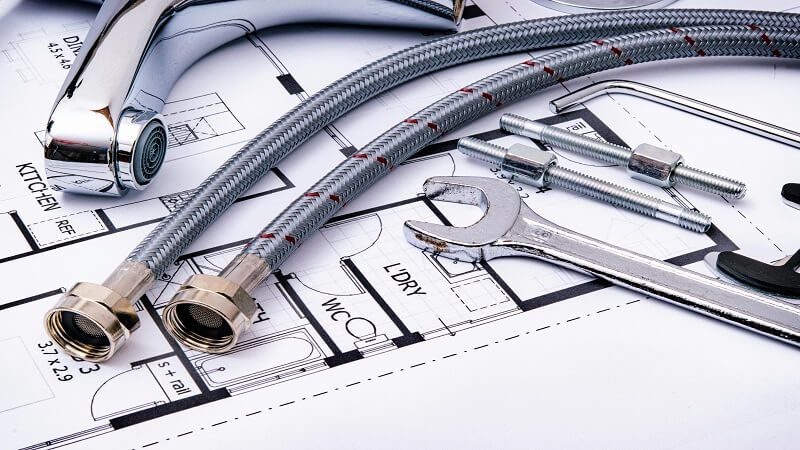
When I first jumped into home repairs, I thought a wrench was a wrench—boy, was I wrong. It turns out that using the right tools is half the battle. My first pipe repair included a hilariously wrong attempt with a pair of pliers that turned a simple job into a round of “Guess the Problem.” Using inappropriate tools can strip fixtures or damage pipes, working against you and complicating matters more than they need to be. Investing in a basic toolkit designed for plumbing can make all the difference. It might cost a bit upfront, but the peace of mind knowing you have the right tool for each job should not be underestimated.
It’s also worth noting that sometimes even the most diligent efforts with the right tools might not suffice. In such cases, knowing when to seek professional plumbing repairs from a reputable company like Nichols Plumbing, Electrical, & HVAC in Cottonwood, Arizona can save you several headaches down the line and ensure the job is done to perfection.
Being Overconfident
Sometimes DIY confidence is good; other times, it leads to disasters only your local plumber can solve. Be aware of your limits. Trying to tackle complex issues like replacing water heaters when you’re still unsure which direction to twist a pipe can end up being more expensive in the long run. Experienced professionals know nuances we can’t spot, and calling them may save you time, stress, and money. As a rule of thumb, if you’re unsure about a procedure, consult a professional. There’s no shame in asking for help, and it can prevent costly mistakes.
Overstuffing the Garbage Disposal
Not all scraps are created equal! My experience with an overworked garbage disposal taught me this one the hard way. Tossing in potato peels and coffee grounds may seem harmless, but they gum up the works faster than you can complain about a plumbing bill. Treat disposal units kindly—they’re not bottomless pits but delicate machines that ease your burden if used correctly. Reading the manual might seem boring, but it’s essential. Knowing the do’s and don’ts can prolong the life of your disposal, and using cold water alongside it can prevent overheating issues.
Using Chemical Drain Cleaners
Okay, who hasn’t reached for that bright bottle that promises to magically vanish your drain woes? As for me, it was quite a few times until I learned otherwise. Chemical cleaners aren’t always your best friend; they can corrode pipes and cause bigger issues down the line. When I switched to manual methods like plungers and drain snakes, the results were surprisingly effective and much better for my pocket and the environment. Consistently relying on natural solutions, such as a simple mix of baking soda and vinegar, can help maintain clean drains without the mess or expense of industrial cleaners.
The Bottom Line
Plumbing isn’t easy, and the last thing anyone needs is an avoidable mistake turning into a costly or inconvenient problem. From disregarding a small drip to misusing common household items—these mistakes are pitfalls anyone could tumble into. Take it from someone who’s lived them; a bit of understanding and preparation can save you time, money, and midnight panic. Remember, a stitch in time saves nine—but in the world of plumbing, it could save several gallons of water and a significant bill.