Luxury living is taking a significant change. The luxury interior is no longer characterized by the use of rare materials and visual abundance but is instead becoming more responsible, long-lasting, and environmentally conscious. To both renters and property owners, sustainable design has become a symbol of quality and not a compromise. Experts in property management in the Bay Area say that in competitive housing markets, environmentally friendly renovations, including energy-saving features, eco-friendly materials, and healthier interiors, have a direct correlation with desirability and raise the overall rental price of the property. Sustainable luxury aligns with both refined taste and sustainable performance, providing high-end spaces that consider environmental impact.
Five Design Principles That Blend Sustainability with High-End Appeal
1. Choose Responsible Materials That Age Beautifully
The basis of eco-friendly luxury is the choice of materials. Responsibly sourced materials such as certified hardwoods, reclaimed wood, bamboo, cork, and recycled stone are visually rich and less strainful to the environment. People involved in property management in San Diego often observe that houses that have been completed using sustainable flooring and cabinetry usually fetch higher rents since such decisions depict permanency, quality, and future worth, which adds to the total rental value of the property.
Did you know?
San Diego’s rental market has remained strong, with average rents increasing by around 5% year over year.
2. Prioritize Energy Efficiency as a Design Feature
Real luxury is effort-free, and energy-efficient design promotes this notion by enhancing comfort and reducing the use of resources. Smart climate, insulation, and high-performance windows control the room temperatures better, thus consuming less energy. The upgrades also improve acoustic comfort and inner stability, creating comfortable, well-balanced living conditions.
Efficiency-minded features are not very conspicuous but incredibly effective in terms of design. Inconspicuous smart thermostats, built-in solar preparedness, and energy efficiency are added to a smooth contemporary look, and reduce operational expenses. The demand for comfortable, efficient homes is growing among renters; thus, these renovations are more of a strategic investment than an ethical decision.
3. Elevate Interiors with Low-Impact Finishes and Healthy Paints
Finishes affect the look and the quality of indoor air. The natural plasters, water-based finishes, low-VOC, and zero-VOC paints help to promote healthier living conditions without restricting the design choices. Light neutral colors, textured earth tones, and sophisticated color blends create a very relaxed, upmarket feel and reflect light, promoting the flow of the space.
They are especially useful in rental houses, where they last much longer and are popular with a wide audience. Timeless color selections reduce the need to repaint due to turnover and make it attractive to a diverse range of tenants. Sustainable finishes, therefore, are well-balanced in terms of wellness, maintenance efficiency, and visual sophistication.
Did you know?
The Bay Area rental market has continued to show upward momentum, with average rents increasing by roughly 3–4% year over year.
4. Invest in Quality Over Quantity for Furnishings and Details
Eco-friendly luxury focuses on moderation rather than lavishness. Fewer, well-constructed pieces of furniture made from sourced materials are more likely to create a higher ambiance than crowded spaces. It uses solid wood furniture, recycled metal details, and high-quality upholstered furniture made with organic or recycled fibers to provide texture and depth without excessive waste.
Considerable curation also helps in longevity. Long-lasting, high-quality items will minimize the need for replacement, which can be seen as a response to sustainability and long-term cost-efficiency. In the case of rental houses, this method will ensure the interior remains clean and functional throughout multiple lease terms, thereby reinforcing the same premium image.
5. Design with Natural Light, Flow, and Longevity in Mind
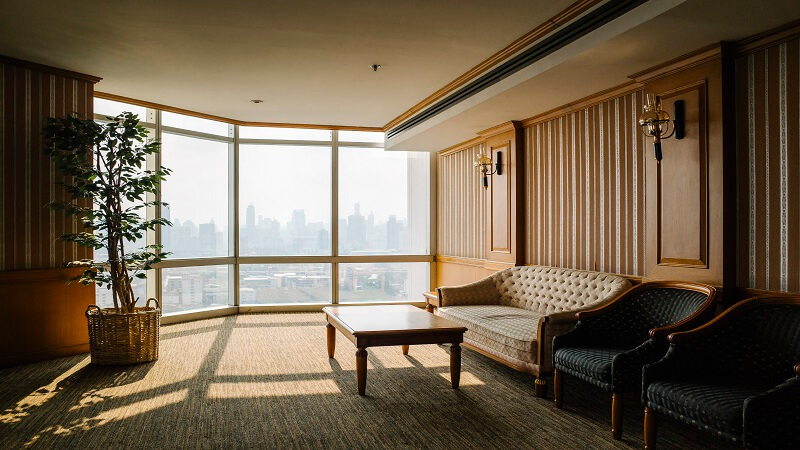
Spatial planning is an underappreciated yet powerful tool for making your space sustainable. You can maximize natural light and minimize the need for artificial light by focusing on your space’s layout, making the interiors look bigger and friendlier. Glossy surfaces, less solid wall textures, and strategically placed furniture increase brightness without extra energy consumption.
Delimited but accommodating work areas, e.g., living-dining spaces, or flexible work areas, accommodate changing lifestyle requirements. Such designs combine to enhance the functional life of a house, thereby shifting tenants’ preferences. Adaptable spaces have a greater lifespan, enhancing the environmental accountability and market strength.
End Point
Green luxury is a move toward considerate and progressive living. By incorporating responsible materials, energy-efficient systems, healthy finishes, and a planned layout, upscale spaces are beautifully designed without overdoing it. Sustainable design in markets continuously drives higher rental returns, faster leasing, and the preservation of long-term value. Luxury becomes an asset when it becomes a fundamental design value, not an ad hoc addition, so it can serve the interests of residents, property owners, and the environment.