
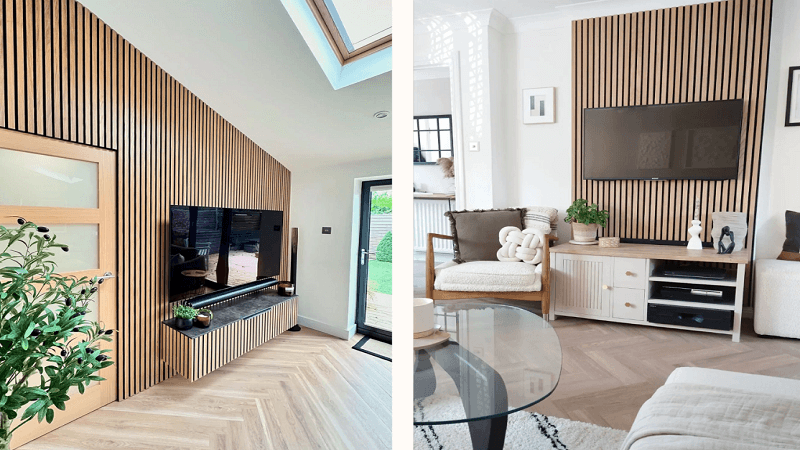
Wooden acoustic panels offer a practical way to improve both the acoustics and appearance of any space. By reducing echoes, they help make conversations clearer—an advantage in offices, living rooms, or studios. Their combination of functional sound dampening and refined design can support a quieter, more comfortable environment while complementing a range of interior styles. In addition to their acoustic properties, these panels introduce a natural warmth and character to interiors, blending seamlessly with existing décor. Their versatile finishes and ease of installation have made them a popular choice for anyone looking to add both utility and style to a room, making them a valuable addition to a wide variety of settings.
Understanding the value of wooden acoustic panels
Wooden acoustic panels provide more than just visual enhancement. They can noticeably reduce unwanted noise and echoes, making it easier to follow conversations and enjoy music or speech. These improvements contribute to a more welcoming and focused atmosphere. By helping to manage sound reflections, they are particularly useful in spaces that would otherwise suffer from a harsh or overwhelming noise profile. In environments such as restaurants, conference rooms, or schools, these panels significantly improve the quality of communication and concentration. Their impact on mood and comfort should not be underestimated, as improved sound quality often leads to a more relaxed and enjoyable ambiance for everyone present.
The effectiveness of these panels comes from their materials and construction. For example, products like WoodUpp’s Akupanel feature MDF slats spaced precisely over an acoustic felt layer, designed to absorb sound across various frequencies. This setup offers better sound management than standard wood surfaces by reducing both high and low frequency reverberation in a room. The precise alignment of the slats, together with the density and thickness of the felt, plays a critical role in determining the panel’s effectiveness. In addition to reducing overall noise levels, this clever construction can help prevent unwanted transfer of sound between adjacent rooms, supporting privacy and concentration in busy spaces.
What to consider when choosing acoustic solutions
Several factors should be considered when selecting acoustic panels for a particular setting. Performance depends on elements such as the thickness, spacing, and size of the slats, all of which influence how effectively the panels absorb sound. The felt backing on many models adds another layer of absorption, helping to reduce echo further. The color and type of wood finish can also impact the visual impression, allowing users to coordinate panels with existing furniture and décor trends.
It’s also important to evaluate the structural capacity of your walls if you’re planning vertical or horizontal installations. Some modern panels are engineered to support substantial weight per area when attached with screws through the felt backing. This makes them suitable for larger or busier spaces where stability is essential. Proper planning during installation will also ensure the panels function at their best for years to come, maintaining both their aesthetic and sound-absorbing qualities. Consulting recommended guidelines provided by the manufacturer can be beneficial for achieving the intended outcome.
Bringing acoustic design into everyday spaces
Integrating wooden acoustic panels into daily environments is straightforward. They are commonly used in open-plan offices where clear communication matters or in home studios where controlled acoustics support creative work. These panels suit contemporary interiors, delivering practical benefits alongside visual interest. Their understated elegance can sharply reduce distractions, which aids productivity in collaborative and solo work settings alike.
They can serve as feature walls in living areas or be placed discretely behind desks and meeting tables. With their adaptable design, wooden acoustic panels offer an effective way to refresh interiors without major renovations. Careful placement can influence how sound is experienced, enhancing comfort whether at home or at work. Additionally, by positioning panels in key locations, it’s possible to tailor the acoustics to specific needs, such as emphasizing conversation areas or quiet zones within larger rooms. This approach not only improves ambiance, but also supports well-being, making social interactions and everyday activities feel more harmonious.