
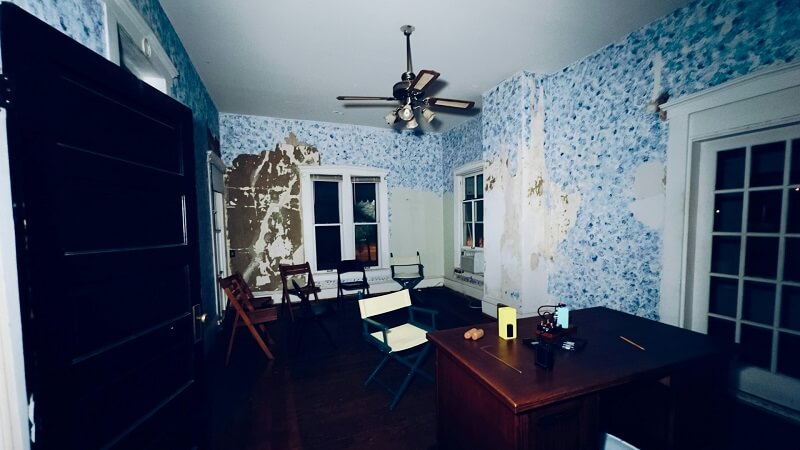
Many homeowners picture flood damage as the result of a dramatic event such as a swollen river or a ruptured pipe. In reality, water intrusion often starts in far less obvious places. Small gaps along roof joints, unprotected window wells, inadequately sealed foundations, or blocked drainage systems can admit moisture gradually. What starts as a minor seep can escalate into significant damage well before it becomes visible.
The real risk lies in the time between water entry and detection. By the moment puddles form or mold becomes noticeable, moisture has frequently moved through structural layers, affecting insulation, framing, and interior finishes. Surface signs such as bubbling paint or a damp odor often signal a deeper problem that has been developing out of sight.
Window wells are a common yet overlooked source of intrusion. While a completed foundation may appear secure, window wells can collect rainwater and runoff if not properly protected. Poor grading around the home can direct water into these recessed areas, where it may accumulate and infiltrate basement walls. Once inside, moisture can migrate beneath flooring or behind wall systems, creating conditions favorable to mold growth and structural deterioration. Installing properly angled covers or protective shields helps divert water while also preventing debris and pests from entering.
Exterior walls present another concealed pathway. Brick, masonry, and stucco surfaces can allow moisture to pass through small cracks or porous areas. In regions that experience freeze and thaw cycles, these openings can widen over time. By the time discoloration or interior wall damage becomes visible, materials behind the surface may already be compromised. Periodic inspections and timely sealing of cracks can significantly reduce this risk.
Gutters and downspouts also influence how water behaves around a home. When gutters overflow or downspouts discharge too close to the structure, water can saturate the soil near the foundation. The resulting hydrostatic pressure may force moisture inward through tiny openings. Keeping gutters clear and ensuring downspouts direct water safely away from the house are straightforward maintenance steps with meaningful impact.
Proactive planning provides the strongest protection against hidden water entry. Proper grading that slopes away from the structure, extended downspouts, and effective drainage systems prevent water from reaching vulnerable areas. Additional safeguards such as window well covers, waterproof membranes, and sump pumps create multiple layers of defense. This layered strategy helps ensure that if one barrier is overwhelmed, others remain in place to manage the flow.
Overlooking minor leaks can lead to consequences that go far beyond cosmetic damage. Ongoing moisture encourages mold growth, weakens wooden framing, and can contribute to foundation movement that affects floors and doors. Small, unnoticed entry points often develop into costly repairs that compromise both the safety and comfort of the home.
For a closer look at where flooding really begins in the home and practical ways to guard against it, explore the companion resource from Window Well Experts, a place to buy window well covers.
