
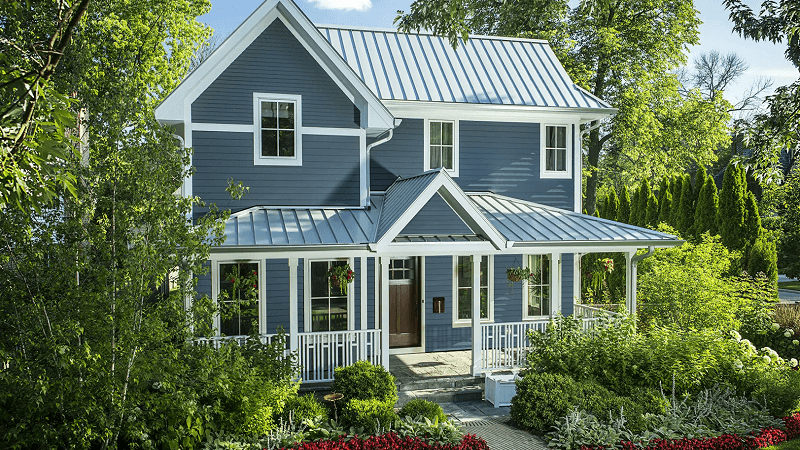
Home renovation is often framed as a creative or lifestyle driven project. In reality, it is a series of structural and financial decisions that can either protect or erode a homeowner’s long term investment. Whether the goal is improving daily comfort, preparing for resale, or addressing deferred maintenance, the most successful renovations follow a disciplined approach grounded in planning, risk assessment, and informed execution.
Unlike surface level upgrades that focus only on aesthetics, well considered renovations strengthen a home’s usability and durability. This article examines renovation choices through a practical lens, highlighting where homeowners commonly miscalculate and how to make improvements that stand up over time.
Renovation Begins With Risk Awareness, Not Design
Before materials are selected or contractors contacted, homeowners should evaluate the existing condition of the property. Many renovation problems arise when underlying issues are overlooked in favor of visible upgrades.
Older homes, in particular, may conceal outdated electrical systems, aging plumbing, or moisture intrusion. Addressing these issues early reduces the risk of future repairs and helps avoid disputes or safety hazards after work is completed.
For example, repainting interior walls without identifying moisture sources can trap water behind surfaces, accelerating mold growth and structural damage. In these cases, consulting qualified professionals, including inspectors or local painting contractors in the Davie area, can help determine whether cosmetic updates are appropriate or premature. When needed, homeowners may review technical guidance through experienced service providers to understand how surface work interacts with structural conditions.
Budgeting With a Margin for Reality
One of the most common renovation errors is underestimating total project costs. Materials, labor, permits, and temporary living arrangements can add up quickly. A realistic budget should include a contingency buffer for unexpected findings, especially in homes built more than two decades ago.
Recent housing industry data shows that renovation costs have risen steadily due to labor shortages and material price volatility. Homeowners who lock in scopes of work early and avoid last minute changes tend to maintain better cost control. Flexibility in design preferences also helps prevent overextension when market conditions shift.
While it may be tempting to allocate the entire budget toward visible upgrades, reserving funds for compliance and safety improvements often delivers stronger long term returns.
Structural Improvements Often Outperform Decorative Upgrades
From a value perspective, renovations that enhance safety, energy efficiency, and durability generally outperform purely decorative changes. Buyers and appraisers increasingly focus on systems rather than finishes.
Projects with consistently strong return profiles include:
- Roof replacement or reinforcement
- Window and door upgrades that improve insulation
- Electrical panel modernization
- Plumbing system updates
- Exterior envelope repairs
According to recent remodeling cost analysis data, projects tied to energy efficiency and structural stability retain a higher percentage of their cost at resale than trend driven upgrades. This reinforces the importance of prioritizing function before style.
The Role of Permits and Code Compliance
Renovations that bypass permits or code requirements may seem efficient in the short term but can create legal and financial exposure. Unpermitted work may complicate insurance claims, delay property sales, or trigger corrective orders from local authorities.
Homeowners should verify whether permits are required for their planned renovations, particularly for electrical, plumbing, and structural work. Even cosmetic projects may require approval if they affect fire safety or building integrity.
Working with licensed professionals who understand local compliance standards reduces the risk of costly remediation later.
Choosing Materials With Longevity in Mind
Material selection plays a critical role in renovation success. Durability, maintenance requirements, and environmental exposure should outweigh trend appeal.
For example, exterior finishes must withstand humidity, UV exposure, and temperature fluctuations. Interior materials should align with household use patterns, such as pets, children, or high traffic areas.
Low quality materials may lower upfront costs but often result in higher lifecycle expenses due to frequent repairs or replacements. Homeowners benefit from evaluating total ownership cost rather than initial price alone.
Contractor Selection Is a Risk Management Decision
Hiring the right professionals is one of the most consequential renovation decisions. Beyond craftsmanship, contractors influence timelines, compliance, and dispute risk.
Homeowners should verify licensing, insurance coverage, and references. Written contracts should clearly define scope, materials, timelines, and payment schedules. Ambiguity in these areas often leads to conflict or unfinished work.
Communication style also matters. Contractors who provide clear explanations and document changes help maintain alignment throughout the project.
Renovation and Property Value Are Not Always Linear
Not every renovation increases property value proportionally. Over customization or luxury upgrades in modest neighborhoods may limit resale appeal. Conversely, under investing in essential systems can reduce marketability.
A balanced approach considers neighborhood standards, buyer expectations, and long term ownership plans. Renovations that enhance usability without over personalization tend to perform best across market conditions.
Energy Efficiency and Regulatory Trends
Energy efficiency has become a central consideration in modern home renovation. Improvements such as insulation upgrades, efficient HVAC systems, and smart controls not only reduce utility costs but also align with evolving regulatory expectations.
Recent data indicates that homes with documented energy efficiency improvements often attract higher buyer interest and shorter time on market. These upgrades also provide ongoing cost savings during ownership, making them a practical investment even outside resale considerations.
Renovation as a Long Term Strategy
Effective home renovation is less about transformation and more about stewardship. Homes are long lived assets that require periodic reinvestment to remain safe, functional, and valuable.
Approaching renovation with the same diligence applied to legal or financial decisions helps homeowners avoid preventable mistakes. Planning, professional guidance, and disciplined execution form the foundation of successful projects.
Rather than chasing trends, homeowners who focus on durability, compliance, and thoughtful improvement position themselves for stability and confidence in their living environment.