Basic protection from the elements, new roofing solutions can serve as the first line of defense against heat loss and energy waste. If you’re looking to invest in a greener and more cost-effective future, consulting with a trusted Seattle roofing company can be the first step in choosing materials and systems that align with sustainability and performance goals.
Incorporating modern roofing solutions not only enhances the aesthetic appeal of a home but also significantly boosts its energy efficiency. Homeowners in Pennsylvania, for instance, are increasingly turning to innovative materials and designs that offer superior insulation and durability. For those seeking expert guidance, roofing firms in Hanover PA provide tailored solutions that align with both environmental and architectural needs. These professionals understand the local climate challenges and offer options that reduce energy consumption while maintaining structural integrity. By choosing the right roofing partner, homeowners can ensure their investment leads to long-term savings and a more sustainable living environment.
As awareness grows about home energy consumption, modern roofing advancements are rising in popularity. They not only enhance comfort but also provide significant cuts to utility costs throughout the year. From technologies that keep your home naturally cooler in the summer to systems that harness the sun’s renewable energy, today’s roofing choices are both smarter and more sustainable. Many of these innovations integrate seamlessly with existing designs, making it easier than ever to upgrade without sacrificing style.
Roofing upgrades can be particularly valuable in areas affected by fluctuating weather conditions. Innovative products and installation techniques are designed to address longstanding efficiency problems that have often plagued older homes and buildings. Leveraging modern materials, even those with historical exteriors or specific architectural needs, can benefit from advances in insulation, ventilation, and energy management.
As energy efficiency becomes a consideration in home value and resale, investing in advanced roofing can offer a significant return. Not only do you lower your bills, but you also make your property more attractive to future buyers concerned about environmental impact and operating costs.
Cool Roof Technology
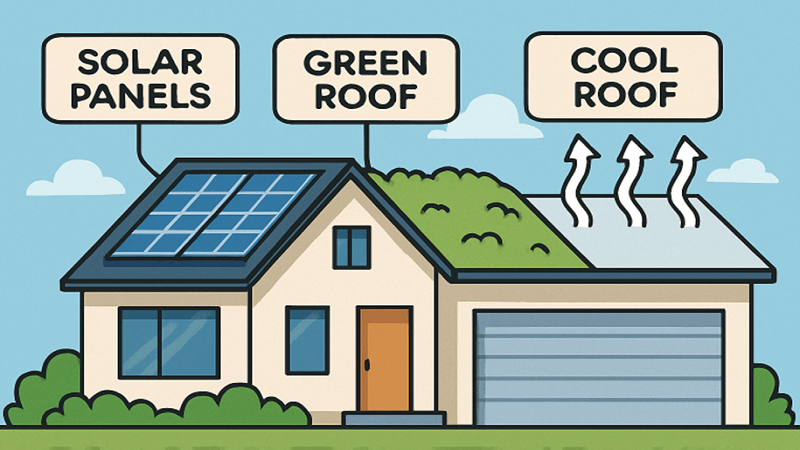
Cool roof systems use highly reflective materials to keep homes cooler in direct sunlight. By reflecting a significant portion of the sun’s rays, these roofs can lower attic temperatures by as much as 50°F, resulting in a notable 20–30% reduction in air conditioning demands on sweltering days. Available options include coatings, reflective shingles, and bright tile, all of which have proven especially effective in warm climates prone to prolonged heatwaves.
How Cool Roofing Reduces Energy Use
A cool roof reduces the transfer of heat from the roof into the home, making it easier to maintain comfortable indoor temperatures without relying too heavily on mechanical cooling. This directly translates to reduced electricity bills and a lighter environmental footprint. In urban areas—where roofs comprise a significant portion of city surfaces—adoption of cool roofs can also help mitigate the urban heat island effect, providing broader environmental benefits.
Green Roofs
Green roofs transform typical flat rooftops into vibrant, living surfaces topped with plants, sedum mats, or even community gardens. These living landscapes act as both insulation and shade, significantly lowering heat absorption and energy transfer. During hot months, green roofs can reduce roof surface temperatures by up to 30°C, resulting in energy savings and improved thermal comfort indoors.
Apart from temperature regulation, green roofs naturally manage rainwater runoff, capturing and filtering precipitation before it can overwhelm drainage systems. They also promote biodiversity, absorb pollutants, and contribute to cleaner air for surrounding neighborhoods.
Installation Considerations
Homeowners interested in green roofs should ensure their structure can support additional weight and moisture retention systems. Expert installation is crucial to avoid leaks and ensure long-term performance.
Solar-Integrated Roofing
Solar-integrated roofing systems, such as solar shingles and panels, enable homeowners to generate renewable energy directly on top of their homes. Unlike bulky traditional panels, new designs blend seamlessly with existing roofing materials, protecting aesthetics while maximizing efficiency. By harnessing the sun’s power, these roofs significantly reduce reliance on grid electricity, resulting in substantial savings and eligibility for state and federal incentives.
The financial impact can be even more pronounced over the long term, as the cost of electricity rises and governments prioritize incentives for renewable energy adoption. Solar integration can help homeowners make a tangible difference both economically and in their personal carbon footprints.
Advanced Insulation and Ventilation
Proper roofing insulation slows down heat exchange, keeping homes warmer in winter and cooler in summer. Innovations like synthetic underlayment and radiant barriers reflect radiant heat away, increasing indoor comfort while reducing stress on heating and cooling systems. Coupled with intelligent attic ventilation, these measures prevent heat buildup, combat condensation-related issues, and lengthen the lifespan of both roofing and insulation.
Ventilation Systems
Automatic or sensor-based ventilation systems adjust airflow in response to humidity, temperature, and other real-time data points, ensuring optimum indoor environments regardless of the season or weather fluctuations.
Smart Roofing Systems
Smart roofing goes beyond passive protection by incorporating embedded sensors, leak detectors, and even automated venting. These self-monitoring systems detect shifting conditions—like unexpected moisture, excessive heat, or minor leaks—so you can respond before minor issues turn into costly repairs.
Some smart roofs even integrate with broader smart home infrastructure, allowing homeowners to monitor their roof’s status and energy efficiency through mobile apps or integrated dashboards.
Sustainable Roofing Materials
Opting for sustainable roofing means considering both performance and environmental impact. Metal roofs, often made from high percentages of recycled materials, are fully recyclable at the end of their life. They also reflect heat exceptionally well, contributing to lower cooling costs. Recycled composite shingles are another environmentally friendly option, mimicking the look of traditional materials but with lighter weight and notable durability improvements.
Solar tiles, designed to blend in with conventional roofs, offer renewable energy benefits without compromising rooflines or curb appeal. Many sustainability-focused roofing choices also require less maintenance and enjoy longer lifespans than their conventional counterparts.
Final Thoughts
Modern roofing innovations deliver a comprehensive suite of benefits for today’s homeowners. Whether it’s the savings from cool roofs, the environmental advantages of green and sustainable materials, the transformative impact of solar integration, or the smart functionality of new ventilation and monitoring systems, upgrading your roof means investing in efficiency and sustainability. By working with experienced professionals and embracing these advancements, you create a home that stands ready for tomorrow’s challenges while lowering expenses and supporting a greener community.