
Creating vibrant, healthy neighborhoods involves more than just constructing buildings. It is about carefully designing environments that support well-being, connectivity, and sustainability for all residents. From walkable streets to accessible green spaces, every element counts toward building communities where people can thrive. For homebuyers exploring thoughtfully planned communities such as new construction homes in riverview fl, these principles are becoming increasingly important. One example where similar ideas are being actively implemented is in Hampstead, Montgomery, Alabama, where careful planning places health and community engagement at the forefront.
Neighborhoods that focus on thoughtful community planning not only enhance physical health but also contribute to mental wellness and social connection. Residents in these areas benefit from a stronger sense of belonging and shared responsibility for their environment, which in turn can improve quality of life across generations. Well-designed communities become attractive hubs for families, professionals, and retirees alike, contributing to a resilient urban fabric.
The Role of Walkability in Promoting Health
Walkability is a cornerstone of healthy community design. Neighborhoods that offer pedestrian-friendly pathways, safe street crossings, and convenient amenities make it easy for residents to walk as part of their daily routines. This leads to higher physical activity rates and reduces reliance on cars, helping to address issues such as obesity, diabetes, and cardiovascular disease. According to research published by the Centers for Disease Control and Prevention (CDC), residents living in walkable communities are more likely to meet recommended daily physical activity levels, further enhancing their long-term health outcomes.
Moreover, walkable neighborhoods benefit from increased economic activity and property values. Local shops, cafes, and farmers’ markets thrive in areas where foot traffic is high, fostering a robust local economy while also promoting healthy habits. Walkability also contributes to reduced air pollution, since there are fewer cars on the road, supporting cleaner air and a higher quality of life for everyone.
Integrating Green Spaces for Mental Well-being
Access to parks and green spaces is crucial for supporting mental and emotional health. These areas offer more than aesthetic value. They provide residents with opportunities for recreation, relaxation, and spontaneous social encounters. The presence of natural environments has been linked to lower stress levels and improved mood. For example, the American Psychological Association highlights the importance of nature in mitigating anxiety and promoting overall happiness. Even in urban settings, small green spaces can be transformative, encouraging community gatherings and outdoor activities that foster mental well-being.
Urban planners are now integrating creative solutions such as rooftop gardens, community orchards, and pocket parks to ensure green space is accessible, no matter the density of the neighborhood. These innovations not only beautify cities, but they also provide essential cooling effects during hot summers and serve as habitats for birds, pollinators, and other wildlife, thus improving biodiversity within urban centers.
Community Involvement in Planning Processes
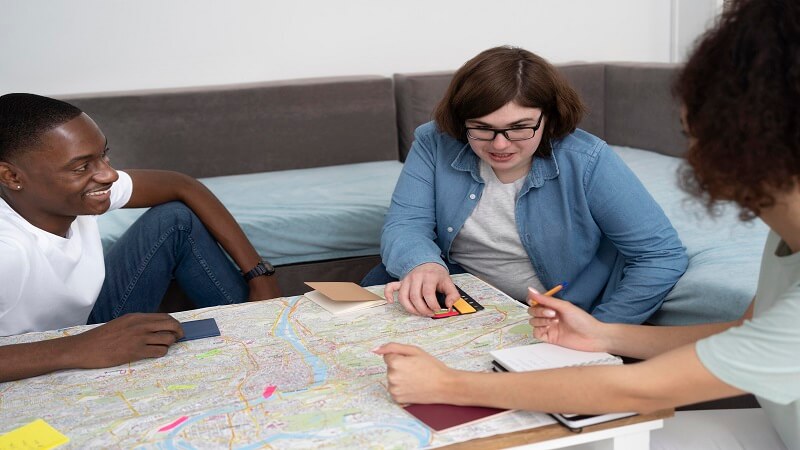
Empowering residents to take part in discussions and decisions about their neighborhoods is essential for successful community planning. When people have a voice in shaping their environment, they are more likely to feel committed to their community and find satisfaction in their daily lives. Cities like St. Louis have demonstrated how engaging the public through workshops, meetings, and surveys can generate innovative solutions tailored to local needs. This approach leads to greater inclusiveness, stronger social bonds, and neighborhoods that reflect the diverse backgrounds and priorities of their inhabitants.
It is also crucial for planners to actively seek feedback from underrepresented groups, ensuring that the needs of all community members are met. Transparent communication and participatory budgeting can further strengthen trust between residents and local governments, creating a sense of agency and shared ownership in the development process.
Designing for Social Interaction and Connectivity
Communities thrive when people have easy access to public spaces that encourage interaction. Features such as communal gardens, outdoor plazas, playgrounds, and well-placed benches facilitate spontaneous conversations and gatherings, which in turn build trust and camaraderie among neighbors. According to the Brookings Institution, investing in these types of social infrastructure can significantly enhance community health and resilience, making neighborhoods more attractive and welcoming for everyone.
Innovative community planning can also incorporate technology to promote social cohesion. For example, neighborhood apps and message boards allow for quick dissemination of information about community events, safety alerts, or volunteering opportunities, keeping residents engaged and informed.
Addressing Environmental Sustainability
Modern community planning must prioritize sustainability to ensure long-lasting and healthy environments. Strategies such as incorporating energy-efficient buildings, promoting green transportation (walking, cycling, and public transit), and preserving natural resources are all integral to reducing ecological footprints. Sustainable communities not only help fight climate change but also protect the well-being of current and future residents by ensuring cleaner air, more efficient resource use, and access to natural beauty that supports an active lifestyle.
Furthermore, adopting smart growth principles, such as mixed-use development, conservation of open land, and the integration of renewable energy sources, fuels economic prosperity while reducing strain on local infrastructure. These environmentally conscious choices can even attract businesses and organizations with similar values, further boosting the community’s long-term resiliency.
Case Study: Hampstead, Alabama
Hampstead in Montgomery, Alabama, stands as a leading example of how thoughtful design can transform social life and well-being. It features walkable streets that connect homes to communal spaces, local businesses, and recreational facilities. By fostering interactions among residents and creating opportunities for involvement in local activities, Hampstead exemplifies the positive outcomes possible when community planning is both intentional and inclusive. The development’s design puts people first, resulting in a lively and engaging neighborhood atmosphere.
Hampstead’s network of bike trails, farmers market, and lakeside gathering spots creates daily opportunities for neighbors to connect and participate in healthy lifestyles together. This dynamic environment draws people from diverse backgrounds, fostering an inclusive culture and encouraging continued innovation in urban design. Hampstead’s success demonstrates that investing in human-centric planning pays long-term dividends, enhancing every aspect of neighborhood life, from safety and sustainability to happiness and health.
Conclusion
Thoughtful community planning forms the backbone of neighborhoods that nurture physical, mental, and social well-being. By centering on walkability, accessible green spaces, community participation, social interaction, and sustainability, planners can establish communities where both present and future generations can flourish. Adopting these principles creates places where health is not just a goal, but a lived experience every day.
As cities and towns continue to evolve, the importance of integrated, human-centered planning becomes increasingly clear. Collaborative design involving local governments, planners, and community members remains critical. When we invest in creating connected, sustainable, and healthy environments, we foster neighborhoods that people are proud to call home—ensuring vibrant communities for years to come.