
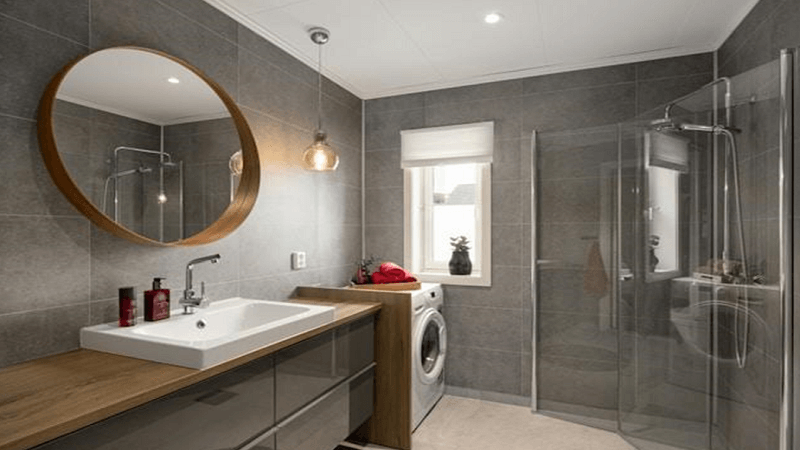
When you’re looking at bathroom remodeling or building bathrooms, it’s easy to lump them together, but a master bath and a guest bath are very different projects. A guest bath is usually smaller, simpler, and designed for occasional use. The master bath is a bigger space, often with more plumbing fixtures, storage, and sometimes luxury features like dual sinks, a soaking tub, or a separate shower. These differences affect not just the look and feel but also the cost, timeline, and even the choices you make about materials and layout.
Guest Bathroom: Small Space, Big Decisions
A guest bathroom is often the first “test” remodel homeowners tackle because it’s smaller and generally less expensive. On average, a full bathroom remodel for a standard guest bath might run anywhere from $8,000 to $15,000 depending on materials and labor. Powder rooms, which lack a shower or tub, usually come in cheaper $3,000 to $7,000.
The first challenge is space. Most guest baths are tight, meaning every inch counts. You may only have room for a single sink vanity and a standard bathtub or shower stall. People often underestimate how limited the layout can be, especially if plumbing isn’t flexible. You can’t just move the toilet or tub without rerouting pipes, which adds cost fast.
Material choices matter here, but maybe not in obvious ways. For instance, a small bathroom can feel larger with lighter paint and wall tiles, but those tiles have to hold up to moisture. Cheaper materials may look fine initially but could require replacement sooner, creating a hidden long-term cost. Higher-end fixtures like a vessel sink or rainfall showerhead — look impressive but take up more space and may overwhelm the room. You’re balancing visual impact with practical limitations.
Another point homeowners miss is storage. Guest bathrooms are often under-prioritized in terms of cabinets or shelving, but a small space without storage can feel cluttered instantly. A shallow linen cabinet or recessed shelves in the shower can be expensive upfront but save frustration later.
Finally, don’t ignore ventilation. A small room with lots of hard surfaces traps moisture fast. Even a standard exhaust fan upgrade adds a few hundred dollars but protects your remodel from premature wear or mold.
Master Bathroom: Bigger Space, Bigger Complexity
Master bathrooms are a different beast. These spaces are often twice the size of a guest bath and serve daily use, which means choices about durability, layout, and plumbing become more critical. A full master bathroom remodel can range from $20,000 to $50,000 or more, depending on whether you’re doing a straightforward renovation or adding luxury features.
One of the first decisions is layout. You’re not just thinking about where the toilet goes. Dual sinks, a separate shower, and a soaking tub all require plumbing and careful spacing. Bigger tubs or walk-in showers can make the room feel luxurious, but they also demand structural considerations. A large soaking tub, for instance, might need reinforced flooring, which adds unexpected costs.
Material choices in master baths are often more consequential. Homeowners frequently want high-end tiles, natural stone countertops, and custom cabinetry. While these materials look great, they also require precise installation. Even minor mistakes in waterproofing or tile alignment can cause expensive repairs down the road. Cheaper alternatives may reduce upfront costs but may not stand up to daily use as well. There’s no one-size-fits-all answer. Sometimes a durable quartz countertop and porcelain tile give the best mix of longevity and price.
Storage and functionality are key here too. A master bath is meant to be a retreat, but without enough drawers, medicine cabinets, or linen space, the room quickly feels cluttered. Built-in niches, drawers under vanities, or wall-mounted cabinets solve that problem, but each of these features adds to the complexity and labor cost.
Then there’s plumbing and electrical. A master bath often includes features that require more than basic hookups: heated floors, towel warmers, multiple showerheads, or even smart toilets. Each addition increases cost, not just for the hardware but for the skilled labor needed to install it correctly. Homeowners sometimes underestimate this until the project is underway.
Comparing Guest and Master Bathrooms: Cost, Size, and Choices
The differences between guest and master baths are more than just square footage. Cost scales up with complexity, materials, and plumbing. A guest bath might run $8,000–$15,000 because it’s small and simple, whereas a master bath can easily reach $30,000 or more when you start adding luxury features. But bigger doesn’t always mean better. You can have a well-designed, functional guest bath that impresses visitors and lasts for years without spending the same as a master bath remodel.
Space drives cost more than most homeowners realize. In a guest bath, every inch is visible and usable; in a master bath, the layout can include multiple zones (shower, tub, vanity) but also adds more plumbing runs, more electrical outlets, and more flooring material. These aren’t optional extras—they’re the basic requirements of a larger room.
This table breaks down the main differences between guest and master bathrooms, showing how size, fixtures, materials, and complexity affect cost and maintenance. It helps visualize why master baths are more expensive and why each choice matters.
Master Bath vs. Guest Bath: Side-by-Side Cost and Complexity Comparison
| Feature | Guest Bathroom | Master Bathroom | Notes |
| Size | 35–60 sq ft | 100–200 sq ft | The master bath allows more fixtures and storage. |
| Typical Cost | $8,000 – $15,000 | $20,000 – $50,000+ | Costs rise with size and complexity. |
| Fixtures | 1 sink, tub/shower combo | 2 sinks, separate shower/tub | More plumbing and labor in the master bath. |
| Materials | Mid-range | High-end options | Durable materials add upfront cost. |
| Timeline | 1–2 weeks | 3–6 weeks | Larger projects take longer and are more prone to delays. |
| Resale Impact | Minimal | Significant | The master bath adds value; guest bath less so. |
Why Complexity Matters: Plumbing, Layout, and Material Trade-Offs
One thing often glossed over online is that size and complexity don’t just affect cost, they affect your decision-making.
For example, a guest bath might only allow a standard tub-shower combo because relocating plumbing is expensive. You could splurge on fancy tile, but it doesn’t make the space more functional. A master bath gives more flexibility, but that flexibility comes with decisions that have long-term consequences: do you want a separate tub and shower, or will a walk-in shower suffice? Heated floors are nice, but not essential for everyone. A dual vanity is convenient, but if plumbing is old, you may face hundreds or thousands in upgrades just to make it feasible.
Sometimes compromises are the smartest path. A master bath might benefit from a high-quality, smaller shower and a freestanding tub instead of a massive wet room if budget or space is limited. In a guest bath, focusing on durable materials and clever storage usually offers more value than luxury fixtures.
Even something as simple as lighting can illustrate trade-offs. LED recessed lights add upfront cost but reduce maintenance. A decorative chandelier might look impressive but requires higher ceilings, clearance, and ongoing cleaning. The choices aren’t just aesthetic; they affect your daily experience and long-term upkeep.
Practical Alternatives When the Ideal Isn’t Possible
If the budget is tight, you don’t have to abandon a master bath remodel. You can phase it: tackle the vanity and lighting first, then upgrade the shower or tub later. Guest bathrooms often benefit from simpler fixes: swap out the faucet, refresh the vanity, or replace tile without touching the plumbing.
Space constraints can be addressed creatively. Pocket doors or wall-mounted vanities in small guest baths free up movement. In master baths, consider open shelving or integrated niches to reduce cabinet bulk while keeping functionality.
Material compromises are often unavoidable. Quartz can mimic marble for less money. Porcelain tiles can look like stone but are far more durable. Sometimes the “look” is what matters to homeowners, and durability comes second but it’s worth weighing the long-term cost of replacement.
Final Thoughts on Costs and Choices
Master bath vs. guest bath isn’t just about size, it’s about complexity, frequency of use, and long-term considerations. Guest bathrooms are smaller and simpler, so costs are lower, but misjudging storage, ventilation, or durability can make even a modest remodel frustrating. Master baths are bigger and more customizable, but every extra fixture, luxury material, or plumbing upgrade adds cost and complexity.
Understanding the trade-offs between layout, materials, plumbing, and budget will make the difference between a bathroom that works for years and one that becomes a recurring expense. A remodel is rarely just cosmetic, every choice has consequences, and the differences between master and guest bathrooms are a good example of that reality.