
The design of bathrooms has changed significantly over the past few years. Areas that were traditionally considered as functional rooms are currently being given equal consideration to living rooms or kitchens. Renovations are usually aimed at producing a space that is relaxed, elegant, and aesthetically harmonious. In this change, panelled surfaces have received a lot of focus due to their ability to merge a beautiful look and useful features that are applicable in humid places.
Bathroom wet wall panels are the most common material that most homeowners who are researching the materials to use in building shower enclosures or splash zones come across. The interest is growing as people understand that these surfaces have the potential to define the whole personality of a bathroom, not just shield the walls against moisture.
Contemporary Bathrooms Prioritise Simplicity
Contemporary design philosophy usually focuses on visual clarity. The use of clean surfaces, controlled colour palettes, and a choice of materials gives the impression of order in small rooms. This direction is supported by panel systems as they offer large continuous areas instead of several small tiles.
The reduced number of joints creates a smooth appearance on the whole. The walls look serene and organized, with fixtures and lighting taking prominence as design features. The design offers such simplicity and makes smaller bathrooms appear much larger, which can be extremely helpful, especially in homes in the city.
Delicate textures are also involved in modern spaces. Stone-inspired finishes or gentle grooves add character to the room without being too overwhelming. This harmony enables surfaces to be appealing to the eye without compromising the serene atmosphere that a contemporary bathroom is supposed to have.
Natural-Inspired Finishes Gain Attention
The desire to incorporate natural elements indoors is becoming more and more prominent in design trends. These days, panel producers create surfaces that resemble limestone, marble, slate, or timber grain. These materials retain the resilience needed in damp conditions while capturing the essence of organic textures.
Frameless glass shower screens and floating vanities are examples of minimalist fixtures that look great against stone-inspired panels. Warm wood style finishes create a striking contrast with polished metal faucets or ceramic sinks.
The overall effect feels smooth and elegant since these designs are spread across big regions rather than individual tiles. The eye is guided uninterruptedly throughout the room by continuous patterns.
Neutral Colours Encourage Relaxation
Modern bathroom renovations are dominated by soft colour schemes. A serene setting appropriate for everyday activities is created by hues like warm beige, mist grey, muted sand, or pale stone. These colours provide depth and are calming when paired with textured panels.
Different lighting conditions are also complemented by subdued tones. While nighttime lighting produces subtle shadow effects that accentuate surface detail, daylight reveals intricate patterns within the material.
Large Format Surfaces Replace Traditional Tiling
Renovators are increasingly opting for panels rather than traditional tile installations. Scale is one of the reasons. Larger spaces are easily covered by large panels, which reduces visual fragmentation throughout the space.
Countless grout lines are introduced by traditional tiling. These seams disrupt the design’s flow even though they are functional. By eliminating these variations, panel installations create a smoother finish that complements contemporary aesthetic tastes.
Efficiency in installation offers an additional benefit. Fitting processes are made simpler with fewer separate parts, which frequently reduces the time needed for big renovations.
Practical Maintenance Supports Busy Lifestyles
Many renovation decisions are influenced by maintenance requirements. Smooth surfaces are easier to clean than textured grout lines, which accumulate debris over time. After everyday use, panelled walls can easily be cleaned with a light wipe.
The underlying structure is additionally protected through water resistance. Instead of permeating the wall behind it, moisture stays on the outside layer. In humid environments, this feature minimises long-term maintenance issues.
Feature Walls Introduce Subtle Drama
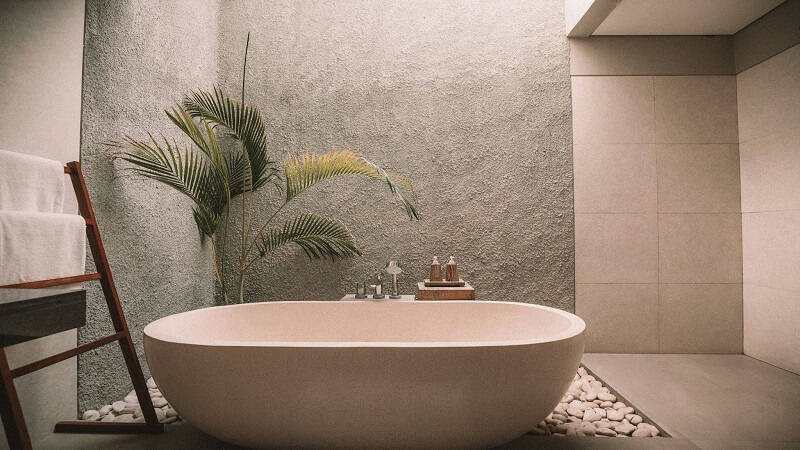
A statement surface that serves as the focal point of the overall design is occasionally used in modern bathrooms. In shower enclosures or behind freestanding bathtubs, panels with eye-catching designs or darker tones are common. This arrangement attracts attention without overpowering the surrounding space.
Additionally, contrasting finishes are useful. A wall with a marble design might be placed next to lighter, neutral surfaces, making the patterned material stand out. Lighting placed above or below highlights the design’s depth while enhancing texture.
This method enables homeowners to add visual appeal while preserving a tranquil atmosphere.
Integration With Contemporary Fixtures
Harmony between surfaces and fixtures is essential for restoration projects to be successful. Panelled walls look especially good with hidden storage cabinets, frameless mirrors, and floating vanities. The smooth surfaces behind these fixtures are complemented by their clean architectural lines.
Neutral panels are frequently paired with metal finishes like polished chrome, matte black, or brushed brass. Without vying for attention, each component complements the others.
The ultimate effect is influenced by even the smallest details. The overall design language is made more cohesive with coordinated towel racks, simple shelves, and subtle lighting fixtures.
A Material That Reflects Modern Living
The trend in bathroom renovations is to provide comfort, durability, and aesthetic appeal in a single room. Panelled surfaces serve those objectives by integrating both the beautiful finishes and the convenient performance in damp conditions.
Long unbroken lines contribute to the feeling of serenity that comes with a modern interior. The simplicity of maintenance is appropriate in busy households, whereas the diversity of textures can provide designers with the ability to create unique spaces.
Panels have also managed to feature prominently in contemporary bathroom design through careful positioning and complementary fittings. This combination of beauty and functionality makes them a key element of the renovation trends in the coming years.