
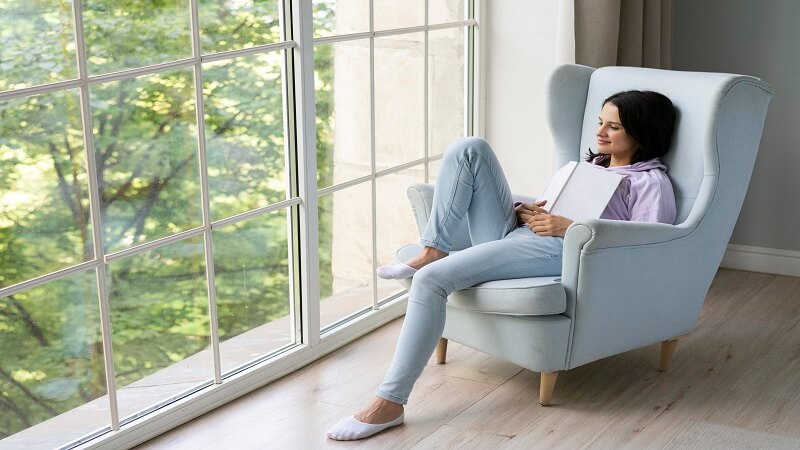
Windows are a fundamental aspect of your home’s comfort and livability. Their design, construction, and installation quality determine how well your house maintains a steady indoor temperature, resists weather conditions, and controls noise. With advanced window installation options now available, homeowners can combine modern aesthetics with remarkable improvements in both energy conservation and comfort.
Modern windows offer significant benefits beyond just style and natural light. Technological advancements have enabled new features and designs that directly affect how much energy your home uses for heating and cooling. As energy costs continue to rise and environmental awareness grows, making the right choices for your windows can have a substantial long-term impact on your home’s efficiency.
In addition to saving on utility bills and improving comfort, new window technologies enable you to significantly reduce outdoor noise and lower your carbon footprint. Investing in the latest solutions is not just about aesthetics; it’s a genuine practical improvement for your household’s sustainability and wellbeing.
According to the U.S. Department of Energy, heat gain and loss through windows account for 25 to 30 percent of residential heating and cooling energy use. That’s why understanding the latest window options is essential when building, renovating, or considering upgrades.
Understanding Energy-Efficient Windows
Energy-efficient windows are expertly engineered to reduce heat transfer, helping maintain comfortable indoor temperatures year-round. The most effective windows use advanced glazing technologies, such as double- or triple-pane glass and specialized coatings. Low-emissivity (Low-E) coatings reflect radiant heat, preventing unwanted temperature fluctuations indoors while still letting in plenty of daylight. Inert gas fills, such as argon or krypton, are placed between glass panes to increase insulation by reducing heat transfer.
These technological enhancements work together to keep your home cool in summer and warm in winter, reducing the load on your air conditioning and heating systems. This translates not only to direct cost savings but also to a more consistent and enjoyable indoor climate.
Key Features of Modern Windows
- Low-E Glass Coatings:These almost invisible coatings are applied to glass surfaces, reflecting infrared energy while preserving natural light, which is especially valuable in homes with large window areas.
- Gas-Filled Panes:Argon and krypton gas fills are significantly better insulators than air, further reducing heat transfer between the interior and exterior.
- Advanced Frame Materials:The material of a window’s frame dramatically affects its insulation. Innovations like uPVC and thermally broken aluminum now outperform traditional wood and metal frames in both energy efficiency and long-term durability.
Understanding these features helps homeowners make informed choices and identify products that meet rigorous standards for efficiency and performance.
Benefits of Upgrading to Modern Windows
- Enhanced Energy Efficiency:New windows with improved insulation can dramatically reduce reliance on heating and cooling systems, lowering energy bills and making your home more comfortable year-round.
- Increased Comfort:Modern windows address drafts and uneven temperatures, creating a much more pleasant living environment.
- Noise Reduction:High-performance glazing designs are also highly effective against sound transmission, making them an excellent investment for homes in busy neighborhoods or near traffic.
- Environmental Impact:The reduction in energy use also lessens your home’s carbon footprint, a key benefit for environmentally conscious homeowners.
Financial Incentives and Savings
Various financial incentives exist to make upgrading windows more affordable. The federal government provides a tax credit covering 30 percent of costs, up to $600, for ENERGY STAR most Efficient windows. Many state and local utility companies also offer rebates that can help further offset your investment. In addition to incentives, the long-term savings in utility costs quickly add up, often paying for the upgrade within a few years.
Choosing the Right Windows for Your Home
Selecting the right windows involves careful evaluation of several factors:
- Climate Appropriateness:Ensure window styles and technologies suit your regional climate, factoring in ratings such as U-factor and Solar Heat Gain Coefficient (SHGC).
- Material Considerations:Compare the costs, maintenance requirements, and longevity of frame materials. Modern alternatives like uPVC are durable and low-maintenance, while thermally broken aluminum is exceptional for insulation.
- Installation Quality:Even the most technologically advanced windows will underperform if not installed correctly. Always hire experienced professionals who are familiar with best practices for sealing and insulating.
Final Thoughts
Upgrading to modern, energy-efficient windows is a strategic investment in a home’s comfort, efficiency, and value. The benefits extend beyond reduced utility bills, as you’ll enjoy enhanced comfort, quieter interiors, and a positive environmental impact. By staying informed, leveraging available incentives, and prioritizing quality installation, you can take full advantage of today’s best window technologies for a more sustainable and enjoyable living environment.