
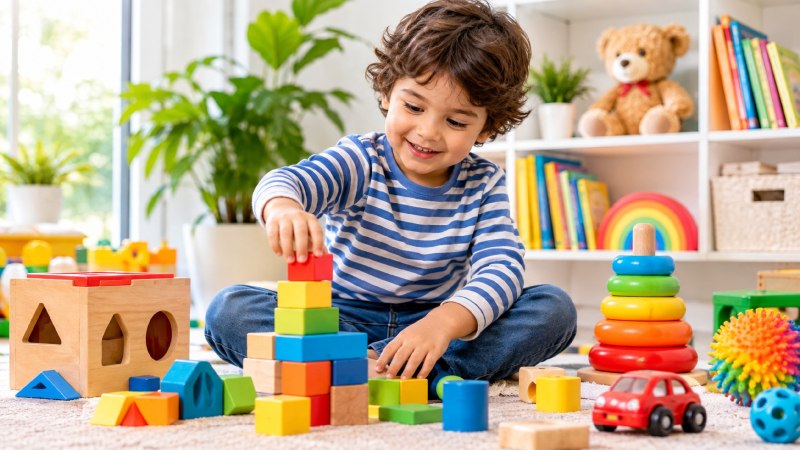
A child’s early years are essential for physical, emotional, cognitive, and social development. During this stage, children learn about the world through their senses, including touch, sight, hearing, smell, taste, movement, and body awareness. These sensory experiences help them understand their surroundings, develop coordination, improve communication, and build essential life skills.
However, some children experience difficulties processing sensory information. They may become uncomfortable with certain sounds, avoid specific textures, struggle with movement, or find it difficult to focus on everyday activities. These challenges are commonly associated with sensory processing difficulties.
One effective way to support children’s sensory exploration is through age-appropriate sensory development toys. These toys provide engaging opportunities for children to explore different sensations, practice motor skills, and develop confidence through play.
What Are Sensory Development Issues?
Sensory development issues occur when a child has difficulty receiving, organizing, or responding to information from their senses. Some children may be overly sensitive to sensory input, while others may seek more stimulation than usual.
These differences can affect how children interact with people, objects, and their environment. Sensory processing difficulties are sometimes associated with developmental conditions such as autism spectrum disorder (ASD) and ADHD, although they can also occur independently.
Every child develops differently, so recognizing individual sensory preferences and challenges is important for providing appropriate support.
Common Sensory Development Problems in Children
Parents and caregivers may notice different signs of sensory-related challenges during everyday activities. Some common examples include:
1. Tactile Sensitivity
Some children dislike touching particular materials, playing with sand, or getting their hands dirty. They may also feel uncomfortable wearing certain fabrics or touching sticky and rough surfaces.
2. Auditory Sensitivity
Children with sound sensitivity may become upset by loud noises, household appliances, crowded environments, or sudden sounds. This can make everyday activities overwhelming.
3. Visual Sensitivity
Bright lights, flashing objects, or visually busy environments may distract or overwhelm some children. Others may show a strong interest in colorful and moving objects.
4. Poor Fine Motor Skills
Some children struggle with holding pencils, picking up small objects, stacking blocks, or using their fingers accurately. These challenges can affect early writing, drawing, and self-care activities.
5. Balance and Coordination Difficulties
Children may find it challenging to maintain balance, coordinate body movements, climb, jump, or participate in physical activities.
6. Difficulty with Focus and Attention
Certain children may struggle to remain engaged in activities, follow instructions, or transition between tasks, particularly in environments with excessive sensory stimulation.
How Sensory Development Toys Can Help
Sensory development toys offer children opportunities to explore different textures, shapes, colors, sounds, and movements through enjoyable activities. Instead of learning only through observation, children actively engage with their surroundings.
Here are some ways these toys can support early development.
1. Improve Tactile Exploration
Textured balls, sensory blocks, soft toys, and touch-and-feel books encourage children to explore different surfaces. These experiences can help them become more familiar with different textures at their own pace.
2. Develop Fine Motor Skills
Stacking toys, building blocks, shape sorters, and activity boards encourage children to grasp, hold, press, sort, and manipulate objects. These activities help practice hand-eye coordination and finger control.
3. Support Visual Development
Colorful stacking rings, shape puzzles, and visual activity toys encourage children to recognize colors, identify shapes, and follow moving objects. These activities support visual attention and early problem-solving skills.
4. Encourage Auditory Exploration
Age-appropriate musical toys, rattles, and sound-making toys introduce children to different sounds and rhythms. They can encourage listening, sound recognition, and curiosity.
5. Strengthen Cognitive Skills
Puzzles, sorting games, and interactive activity toys encourage children to think, experiment, recognize patterns, and solve simple problems. These playful experiences support early cognitive development.
6. Promote Emotional Regulation
Some children find repetitive and predictable sensory activities calming. Soft textured toys, sensory bottles, and suitable fidget toys may provide enjoyable sensory experiences that help children feel more comfortable.
Best Types of Sensory Development Toys for Children
Choosing the right toys depends on a child’s age, interests, and sensory preferences. Some useful options include:
- Sensory Balls: Different textures and sizes encourage touch exploration, grasping, and hand coordination.
- Building Blocks: Help develop creativity, problem-solving, spatial awareness, and fine motor skills.
- Stacking Rings: Encourage color recognition, object coordination, and early problem-solving.
- Shape Sorters: Help children recognize shapes, understand differences, and practice matching skills.
- Musical Toys: Introduce different sounds and rhythms while encouraging listening and auditory exploration.
- Textured Toys: Provide opportunities to experience different surfaces and tactile sensations.
- Activity Boards: Encourage children to explore buttons, switches, zippers, and other interactive elements.
- Sensory Play Mats: Offer different textures and interactive surfaces for supervised exploration.
Practical Ways Parents Can Support Sensory Development at Home
Sensory development does not depend entirely on expensive toys or specialized equipment. Parents can create meaningful learning opportunities through simple everyday activities.
- Introduce Different Textures: Allow children to explore safe materials such as soft fabrics, water, and age-appropriate sensory play materials under supervision.
- Encourage Building Activities: Use blocks, stacking toys, and puzzles to develop coordination, concentration, and problem-solving abilities.
- Create a Calm Play Environment: Reduce unnecessary noise and visual distractions when a child needs a quiet space to play.
- Follow the Child’s Interests: Observe which activities your child enjoys and introduce new sensory experiences gradually without forcing participation.
- Make Playtime Interactive: Join your child during play, demonstrate how toys work, and encourage exploration through simple instructions.
- Maintain a Consistent Routine: Predictable playtime and daily activities can help children feel more comfortable and prepared for transitions.
How to Choose the Right Sensory Development Toys
Selecting appropriate sensory toys requires attention to a child’s developmental stage and individual needs. Consider the following factors before purchasing:
- Age Appropriateness: Choose toys suitable for your child’s age and developmental abilities.
- Safety: Look for non-toxic materials, durable construction, and appropriately sized components. Avoid toys with small detachable parts for children who may put objects in their mouths.
- Sensory Preferences: Consider whether your child enjoys soft textures, bright colors, movement, sounds, or hands-on activities.
- Learning Opportunities: Choose toys that encourage exploration, creativity, coordination, and problem-solving.
- Variety: Introduce different types of sensory experiences while avoiding overstimulation.
When Should Parents Seek Professional Support?
Although sensory development toys can provide valuable play and learning opportunities, they are not a treatment or cure for sensory processing difficulties.
If a child consistently experiences significant discomfort with everyday sensory experiences, avoids common activities, or struggles with daily routines, parents should consider consulting a qualified pediatrician or occupational therapist.
A professional can assess the child’s individual needs and recommend appropriate strategies, activities, or occupational therapy when necessary. Early support can help children develop practical skills and participate more comfortably in everyday life.
Conclusion
Sensory development plays an important role in how children explore, understand, and interact with the world. Difficulties with touch, sound, movement, attention, or coordination can sometimes make everyday experiences challenging.
Fortunately, supportive environments, engaging activities, parental involvement, and appropriate sensory development toys can create valuable opportunities for children to explore and practice essential developmental skills.
From textured balls and building blocks to shape sorters and interactive activity boards, the right toys can make learning more enjoyable and engaging. By understanding a child’s individual needs and encouraging positive play experiences, parents can support healthy development and help children build confidence one playful experience at a time.