
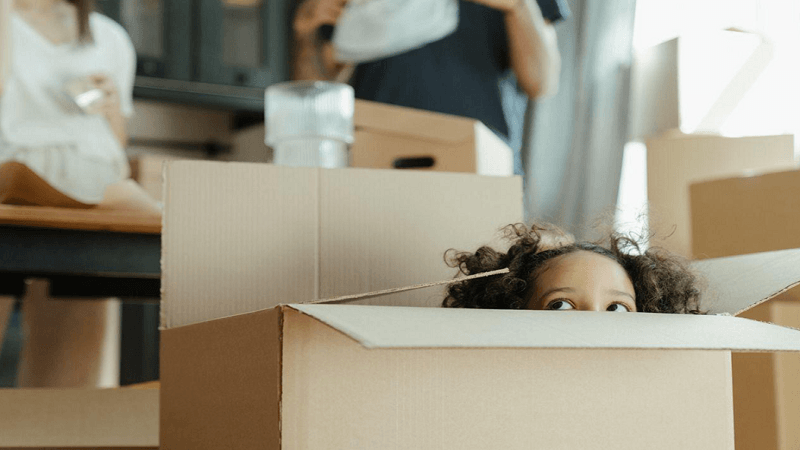
For a child, a move can feel like someone packed up their whole world and promised it would come back. The first night in a new house, with unfamiliar shadows and sounds, is often when that worry peaks. That is why setting up a kids’ room early, and with care, matters so much. When their bed, favorite stuffed animal, and nightlight are already waiting, the new house starts to feel like home much faster.
Why Does a Kids’ Room Matter So Much After a Move?
A child’s room is their anchor in a home full of change. Adults can find comfort in a familiar coffee mug or a favorite chair. Kids need a whole space that feels safe, predictable, and theirs.
Their room is also where bedtime routines happen, and routines are what help children feel secure. Familiar rituals in a familiar-feeling space signal that life is continuing, just in a new place. Building these new family anchors in an unfamiliar home gives the whole household something steady to hold onto during the transition.
How Can You Plan the Room Before Moving Day?
The best time to plan is before a single box is packed. Start by getting the room’s measurements from the listing, the seller, or a quick visit. Then sketch where the bed, dresser, and play area will go, so movers can place furniture correctly the first time.
Planning ahead matters even more for families buying their first house, since storage, window coverings, and room layouts are all new territory. When you are moving to your first home with young kids, give their room its own section of your checklist. List what your child needs on the first night and what can wait. Also note anything that should arrive before you do, like blackout curtains or a new bed frame.
What Should You Pack Last and Unpack First?
Your child’s most important things should be the last items packed and the first items unpacked. Keep a separate bag for each child with pajamas, a change of clothes, a favorite toy, a book, and any comfort item they sleep with.
Label their boxes clearly, and let kids help decorate or color-code them. Tips from essential packing tips for a stress-free move with kids include letting each child pick a color for their belongings. That small choice gives them a sense of control when so much is changing.
What’s the Best Order for Setting Up a Kids’ Room?
The best order for setting up a kids’ room is bed first, then comfort, then everything else. A fully made bed on the first night does more for a child’s sense of security than a perfectly organized closet.
Follow this order on moving day:
- Assemble and make the bed with their own sheets and blanket.
- Plug in the nightlight and set out comfort items.
- Hang curtains or blackout shades for sleep.
- Unpack clothes for the next few days.
- Set up toys, books, and decor over the following week.
Resist the urge to finish it all in one evening. You will likely be tired, and your child may want a say in where things go. A room that comes together over a few days, with your child’s input, often feels more like theirs.
How Do You Let Kids Make the Room Their Own?
Giving kids real choices is the fastest way to build ownership. Even toddlers can pick between two bedding sets or decide where a favorite poster hangs.
Ideas that work for most ages:
- Choosing a paint color or wall decal
- Picking where the bed or reading nook goes
- Arranging books and toys on low shelves
- Hanging their own artwork from the old house
Bringing familiar items from the old room, such as a lamp, rug, or framed photo, creates continuity. New touches then feel like an upgrade, not a replacement. If your child is nervous, let them pack one small box of treasures. That box can ride in the car with them instead of on the truck.
Which Safety Steps Should Happen on Day One?
Safety basics should be in place before your child sleeps in the room, even if decorating has to wait. Unpacked homes are full of new hazards, and young kids explore quickly.
Furniture tip-overs are one of the most serious risks. The U.S. Consumer Product Safety Commission’s Anchor It! campaign urges parents to secure dressers, bookcases, and TVs to the wall with anti-tip kits. Also check that window blind cords are out of reach, outlets have covers, and window guards or stops are installed on upper floors. Keep heavy items on low shelves so children are not tempted to climb.
How Should the Room Change With Your Child’s Age?
A good kids’ room grows with your child, so plan for the next few years, not just the next few weeks. Toddlers need open floor space, soft surfaces, and toys within reach. School-age kids benefit from a small desk, good lighting, and storage they can manage on their own. Tweens and teens usually want more privacy and a say in the overall style.
If siblings will share a room in the new house, plan zones that give each child a defined space. Bunk beds, separate shelves, and personal lighting can help. These creative shared bedroom ideas for kids show how a shared room can encourage bonding while still respecting each child’s needs.
Making the New House Feel Like Home
A move is a big change, but the right room can make it feel like an adventure instead of a loss. Setting up a kids’ room with care helps children settle in from the very first night. A made bed, familiar comforts, and a few choices that belong to them go a long way. Start planning before moving day, keep their essentials close, and let the room grow alongside them.