
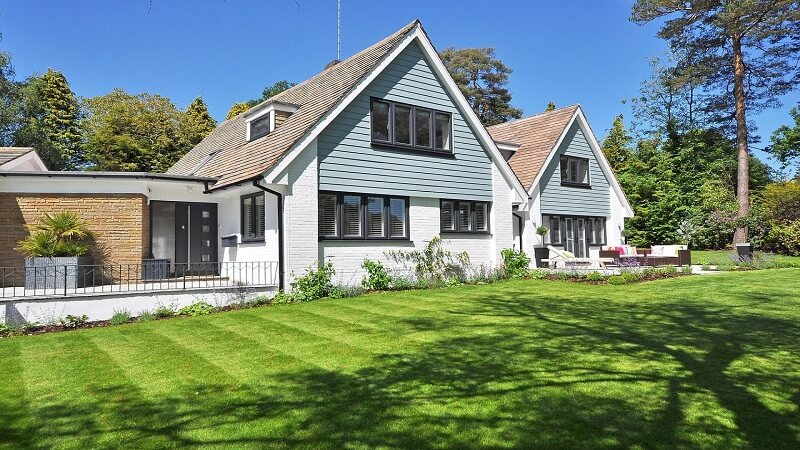
The choice of the frame material determines how a house reacts to the changes in temperature, heavy wind and rainfall. These pressures are dealt with differently by various materials, affecting the degree of insulation and long-term strength. The frame composition is thus a critical consideration when the property is exposed to harsh environmental conditions.
The choice of uPVC, timber, or aluminium structure is now considered in many renovation projects. There has been special interest in replacement aluminium windows since modern production methods make it possible to have thin profiles without losing strength. When the performance is under scrutiny, householders tend to scrutinize these options before coming up with a solution that they perceive as fitting their climate and architecture.
Climate Challenges Influence Material Performance
Extreme weather exposes flaws in poorly designed building components. Coastal regions are exposed to salty air, which promotes corrosion. Heavy rainfall and chilly winters are common in highland areas. Due to heat absorption from nearby structures, urban areas may experience continuous temperature fluctuations.
Under those elements, every material responds differently. While some offer natural insulation against heat loss, others have remarkable moisture resistance. Durability is determined by the interaction between frame composition and the local environment.
Property owners can select installations that can maintain performance for decades rather than just a few seasons by being aware of these features.
uPVC Frames Offer Strong Thermal Efficiency
Polyvinyl chloride frames have grown in popularity due to their excellent insulation capabilities. Heat transfer between interior spaces and external air decreases due to internal chambers in the profile. As a result, compared to older glazing systems, energy usage can be decreased.
The need for maintenance is still quite low. Mild soap and water are typically all that is needed for cleaning. Additionally, resistance to moisture keeps the surface from deteriorating or swelling.
In recent years, colour stability has significantly improved. Intense sunshine occasionally caused earlier products to fade. UV stabilisers, which preserve appearance for much longer, are incorporated into modern models.
Affordability Encourages Broad Adoption
Many purchasing decisions are influenced by budgetary considerations. While maintaining reasonable efficiency ratings, uPVC constructions are frequently less expensive than alternative frame types.
Many homes use this material for renovation projects because it strikes a balance between cost and performance.
Aluminium Frames Provide Structural Strength
Frames made of aluminium are notable for their exceptional durability. Large panes can be supported by slim frames without sacrificing stability. This streamlined style is often used in contemporary architecture because it permits large glass sections that maximise natural light.
Aluminium construction used to struggle with thermal efficiency. Earlier designs were more susceptible to heat transfer. Thermal break technology is one way that engineering advancements have solved that problem. Heat transfer is stopped by insulating barriers placed inside the frame, greatly enhancing performance.
Another benefit is durability. Even under extreme temperature changes, aluminium does not distort. Finishes with powder coatings improve corrosion resistance even more.
Modern Designs Balance Strength and Efficiency
Better manufacturing techniques combine acceptable insulating capacities with structural resilience. Aluminium frames are increasingly used in both residential and commercial constructions in a variety of climates.
Timber Frames Deliver Natural Insulation
The qualities of wooden frames are quite appealing to people who appreciate traditional craftsmanship. Heat transfer is slowed by the natural cellular structure, which provides superior insulation. Because wood decreases thermal movement, interior areas frequently feel warmer in the cold.
Visual appeal is, of course, a further attraction. Grain patterns add warmth and texture that is difficult for synthetic materials to match. Timber installations that honour architectural heritage are very beneficial for historic structures.
However, compared to other materials, maintenance requirements are higher. To stop moisture intrusion, protective coatings need to be changed on a regular basis. Wood may swell or decay if it is not properly cared for.
Maintenance Requirements Vary Significantly
Over the course of their lives, different materials require differing degrees of care. Aluminium typically only has to be cleaned occasionally, whilst uPVC requires very little maintenance. Treating wood more frequently is necessary to keep it safe from weather exposure.
As a result, homeowners should take into account both the initial installation costs and continuing maintenance requirements. Over many years, a material that meets individual maintenance preferences is likely to stay in better shape.
Choosing the Right Material for Long-Term Value
Each type of frame has its own benefits that are applicable in different situations, depending on the environmental conditions. uPVC is the best when it comes to thermal insulation and is also cost-effective. Aluminium is strong, modern and with better efficiency in thermal break design. Timber adds a natural beauty with marvellous insulating properties.
Considerate choice eventually rests on the ability to balance aesthetics, climatic needs and maintenance anticipations. When these aspects are matched with the selected material, windows provide trusted comfort, energy conservation and structural stability even in the far future.