
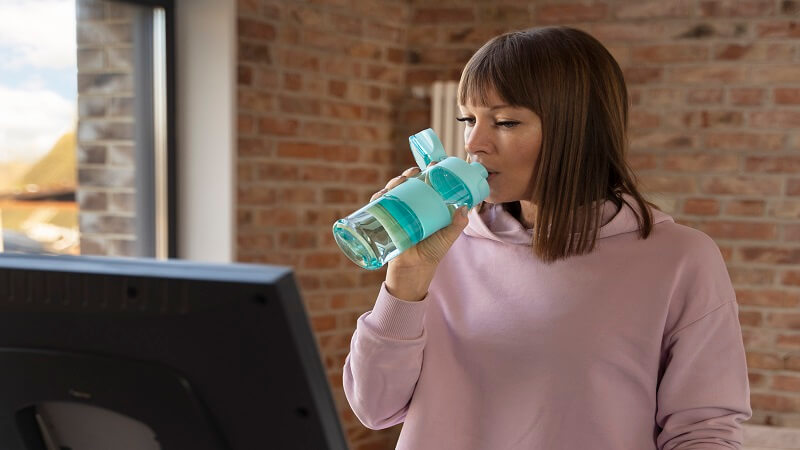
Health and wellness has entered a more personalized era. People are paying closer attention to how their bodies respond to stress, travel, intense workouts, illness, and even everyday routines. Hydration, once reduced to a reminder to drink more water, is now understood as a cornerstone of physical and mental performance. Fluids alone are not always enough, especially when the body needs electrolytes, vitamins, or faster absorption to restore balance.
This shift has sparked growing interest in advanced hydration approaches that meet people where they are, both physically and lifestyle-wise. Instead of fitting wellness into rigid schedules, individuals are looking for solutions that adapt to their pace of life while still supporting recovery, resilience, and long-term health.
Why Hydration Is More Than Just Water
Water plays a vital role in nearly every system in the body, including circulation, digestion, temperature regulation, and cognitive function. Even mild dehydration can contribute to fatigue, headaches, muscle cramps, and difficulty concentrating. According to data published by the Centers for Disease Control and Prevention, many adults do not meet daily fluid recommendations consistently, particularly during periods of illness, physical exertion, or heat exposure.
What often goes overlooked is that hydration is not only about volume but also about absorption and nutrient balance. Electrolytes such as sodium, potassium, and magnesium help regulate fluid movement at the cellular level. Vitamins like B-complex and vitamin C support energy metabolism and immune response. When these elements are depleted, drinking water alone may not fully address the deficit.
This is where intravenous hydration has gained attention as a supportive wellness option rather than a reactive medical intervention.
Understanding Intravenous Hydration in a Wellness Context
Intravenous hydration delivers fluids and nutrients directly into the bloodstream, bypassing the digestive system. This allows for faster absorption and more predictable uptake, which can be beneficial for individuals who struggle with nausea, poor digestion, or rapid fluid loss.
In wellness-focused settings, IV hydration is often used to support recovery from intense physical activity, prolonged travel, stress-related fatigue, or dehydration associated with illness. It is also used by people who want to maintain consistent energy levels and mental clarity during demanding schedules.
Unlike hospital-based IV treatment, wellness-oriented services are designed to be proactive and customizable. The focus is on supporting the body’s natural balance rather than treating acute medical conditions.
The Rise of Mobile Wellness Services
As wellness becomes more integrated into daily life, convenience has become a defining factor. Many people prioritize services that reduce friction, save time, and fit seamlessly into their routines. This has led to the growth of on-demand wellness offerings that can be accessed at home, at work, or while traveling.
Within this shift, mobile iv therapy has emerged as a practical option for individuals who value both personalization and efficiency. Instead of traveling to a clinic, clients receive hydration support in a familiar environment, which can enhance comfort and relaxation during the session. This model aligns with broader wellness trends that emphasize accessibility and continuity of care.
Who Is Exploring IV Hydration for Wellness Support
The audience drawn to IV hydration services is diverse, but there are common threads. Many are health-conscious professionals managing high workloads and frequent travel. Others are fitness enthusiasts seeking efficient recovery after endurance training or strength sessions. Some are individuals recovering from minor illnesses who want to restore hydration levels without overtaxing their digestive system.
There is also growing interest among people focused on preventative wellness. Rather than waiting for burnout or fatigue to become disruptive, they look for ways to support hydration and nutrient balance before symptoms escalate. This mindset reflects a broader shift toward proactive self-care rooted in data, personalization, and bodily awareness.
What the Science Says About Hydration and Performance
Research continues to highlight the impact of hydration on physical and cognitive performance. A review published by the National Institutes of Health notes that dehydration can impair short-term memory, attention, and mood, even before thirst becomes pronounced. These effects are especially relevant for individuals in high-focus roles or physically demanding environments.
Electrolyte balance also plays a critical role in muscle function and nerve signaling. When levels drop due to sweating, illness, or inadequate intake, the body may struggle to maintain optimal performance. IV hydration allows clinicians to tailor fluid and nutrient combinations based on individual needs, which is why it has become part of broader wellness strategies rather than a one-size-fits-all solution.
Safety, Personalization, and Professional Oversight
Any wellness service involving intravenous delivery should be approached thoughtfully. Reputable providers emphasize medical screening, professional administration, and individualized formulations. This ensures that hydration support complements existing health routines rather than conflicting with them.
Personalization is key. Factors such as activity level, diet, stress, and overall health influence what type of hydration support may be appropriate. A responsible approach focuses on education and collaboration, helping individuals understand when IV hydration may be useful and when simpler hydration strategies are sufficient.
Integrating IV Hydration Into a Balanced Wellness Routine
IV hydration is not a replacement for healthy habits. It works best when paired with consistent water intake, nutrient-dense meals, quality sleep, and regular movement. Think of it as a tool that can support the body during periods of increased demand rather than a daily necessity.
Many people use IV hydration occasionally, such as after long flights, during intense training cycles, or when recovering from dehydration-related fatigue. This flexible approach aligns with sustainable wellness principles that prioritize balance over extremes.
The Bigger Picture of Modern Wellness
The popularity of IV hydration reflects a larger evolution in how people engage with their health. Wellness is no longer confined to gyms or annual checkups. It is woven into daily life through choices that emphasize prevention, personalization, and convenience.
As individuals become more informed about how hydration, nutrients, and recovery affect their wellbeing, they seek options that respect both their time and their bodies. Mobile wellness services, when delivered responsibly, represent one response to that demand.
Ultimately, the goal is not to chase trends but to listen to the body and respond with intention. Hydration is fundamental, and how we support it continues to evolve alongside our understanding of health itself.