
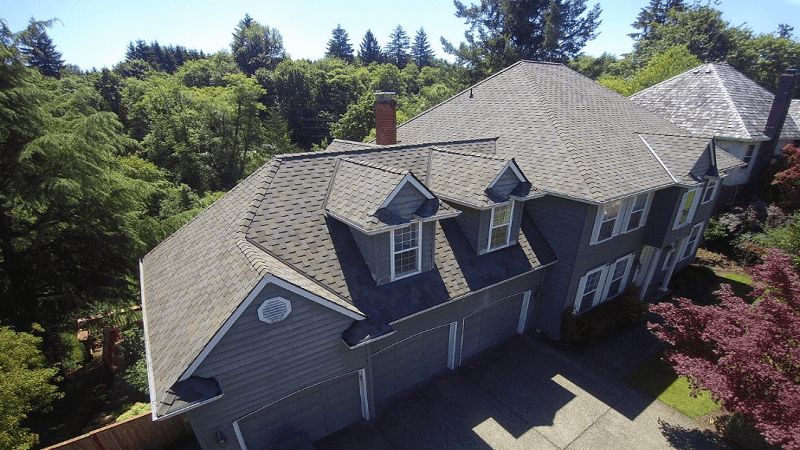
Most homeowners assume that a roof either works or it doesn’t. In reality, roof deterioration is a gradual process that unfolds in stages. Understanding these stages can save time, money, and stress, while helping homeowners make informed decisions before problems get out of hand.
Stage 1: Early Signs of Wear
Even a relatively new roof can display subtle warning signs. Curling or lifting shingles, small leaks in the attic, or granules collecting in the gutters are often early indicators of potential issues. For example, Sarah, a homeowner from Franklin, noticed tiny granule deposits after a heavy rain. She initially dismissed them as harmless, but experts like those at Shelbyville Roofing Company emphasize that even minor observations like this can signal the beginning of a roof’s gradual deterioration.
Actionable Tip: Schedule quarterly roof inspections, particularly after storms. Check for missing shingles, discoloration, or damp spots in the attic to catch problems early.
Stage 2: Water Intrusion and Damage
As the roof ages, small cracks and leaks allow water to seep in, often unnoticed until it reaches visible areas. During a home renovation, John, a father of two in Nashville, found dark stains spreading across his ceiling. A quick inspection revealed moisture had penetrated the underlayment. By addressing the leaks early, he prevented mold growth and structural damage.
Street-Smart Advice: Don’t wait for water to appear inside your home. Check the roof edges, around vents, chimneys, and skylights. Even small leaks can escalate quickly.
Stage 3: Structural Weakness
Over time, prolonged exposure to water, wind, and sunlight weakens roof decking and framing. At this stage, sagging or uneven surfaces become noticeable. Many homeowners underestimate this stage because the roof still keeps out rain. However, ignoring structural deterioration can lead to expensive repairs or emergency replacements.
Practical Step: Hire a certified inspector to assess roof strength every few years. Professionals can spot compromised sections that are invisible to the untrained eye.
Stage 4: Major Failure and Replacement
The final stage occurs when cumulative damage overwhelms the roof’s integrity. Shingles break apart, leaks become extensive, and insulation loses efficiency. By this point, replacement is usually unavoidable. A staged approach to maintenance could have delayed or even prevented reaching this stage.
Prevention and Expert Guidance
The key to a long-lasting roof is proactive maintenance. Regular inspections, timely repairs, and preventive measures like cleaning gutters and trimming overhanging branches go a long way. Homeowners should also consult experienced roofing professionals to evaluate concerns and suggest solutions. For instance, contacting a trusted contractor like Quality Exteriors can provide expert assessment and repair options before problems escalate.
Research Insight: Studies show that roofs inspected annually have a 40% lower likelihood of sudden catastrophic failure. Simple maintenance routines extend the life of shingles, prevent leaks, and maintain property value.
Real-World Lesson
The stages of roof deterioration highlight the importance of attention to detail. Homeowners who track minor issues, perform seasonal checks, and seek professional guidance save thousands in repairs. A roof may seem sturdy from the street, but step-by-step monitoring ensures it performs well year after year.