
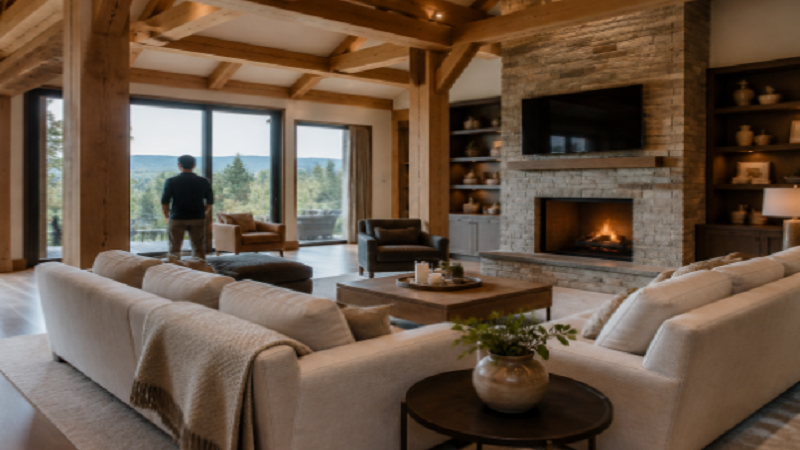
Exposed wood elements bring warmth and character to homes in ways that painted drywall simply cannot match. Whether you’re renovating a dated interior or adding architectural interest to a new build, incorporating wood posts and beams creates focal points that draw the eye upward and add dimension to otherwise flat spaces. These structural accents work beautifully in both rustic and contemporary settings, proving their versatility across design styles.
Why Wood Posts Make a Statement
Vertical wood posts serve as powerful design anchors in open floor plans. They define spaces without closing them off, marking transitions between kitchen and living areas or framing doorways with substance. A well-placed post can support a beam overhead while simultaneously grounding a room’s visual weight. The grain patterns and natural variations in wood create organic texture that contrasts beautifully with smooth walls and modern fixtures.
Posts also solve practical problems in home design. When removing walls to create open concepts, structural support often remains necessary. Rather than hiding steel columns behind drywall, wrapping them with wood or installing decorative timber creates architectural features that celebrate rather than conceal the structure. This approach turns functional requirements into design opportunities.
Choosing Between Solid Timber and Box Beam Construction
Homeowners face a significant choice when selecting wood posts: solid timber versus hollow box construction. Solid timber posts offer authentic heft and the satisfaction of genuine material, but they come with considerable weight, higher cost, and potential for warping as the wood ages and responds to humidity changes. These posts work well in outdoor applications where weathering adds to their character.
Box beam posts provide a lighter alternative that mimics the appearance of solid wood while addressing many practical concerns. These hollow posts weigh substantially less, making installation simpler and reducing structural load requirements. They resist warping better than solid timber because their construction method stabilizes the wood. For interior applications where the post serves primarily decorative purposes, box construction delivers the visual impact without the drawbacks. The quality of box posts varies widely, so examining joints, wood grade, and finish quality before purchasing matters considerably.
Popular Wood Species and Their Characteristics
Douglas Fir stands out as a top choice for decorative posts due to its straight, prominent grain and warm honey tones. This species takes stain evenly and ages to a rich amber color. Its strength-to-weight ratio makes it practical for both structural and decorative applications. Fir works particularly well in craftsman and mountain-style homes where its pronounced grain contributes to the aesthetic.
Western Red Cedar offers different qualities that suit specific environments. Its natural oils resist moisture and insects, making cedar posts ideal for covered porches, pergolas, and transitional spaces between indoors and outdoors. Cedar’s color ranges from light cream to reddish-brown, often within the same piece, creating varied visual interest. The wood has a softer, more subdued grain than fir, lending itself to contemporary designs where texture matters more than bold patterning.
White oak and reclaimed wood provide premium options when budget allows. Oak delivers exceptional durability and a classic appearance that suits traditional interiors. Reclaimed wood brings history and character through existing patina, nail holes, and weathering marks, though sourcing consistent pieces for multiple posts can prove challenging.
Sources for Quality Decorative Posts
Finding posts that match your design vision while meeting quality standards requires some research. Local sawmills can provide custom solid timber posts, though availability depends on regional wood species and mill capabilities. Big box home improvement stores stock basic wrapped posts and columns, typically in limited sizes and generic finishes that may require additional work to achieve the desired look.
Specialized manufacturers focus exclusively on decorative timber products and typically offer wider selection in terms of dimensions, wood species, and finish options. For example, a timber post from a dedicated timber works company often features superior joinery, better wood selection, and professional finishing compared to general building supply options. These manufacturers understand the difference between structural lumber and architectural millwork, producing posts intended specifically for visible installation where appearance matters as much as function.
Installation Considerations and Common Mistakes
Proper installation determines whether decorative posts enhance your space or create ongoing problems. Posts must sit plumb and securely anchored at both top and bottom. For purely decorative posts, mounting plates hidden within the post cavity attach to ceiling joists above and floor framing below. Load-bearing posts require engineering calculations and may need metal connectors that meet local building codes.
One frequent mistake involves scaling. Posts that appear substantial in photographs may look spindly in rooms with high ceilings, while oversized posts can overwhelm smaller spaces. As a general guideline, ceiling heights of eight to nine feet pair well with posts measuring six to eight inches square, while ten to twelve foot ceilings benefit from eight to ten inch posts. These proportions maintain visual balance without dominating the space.
Another common error is mismatched finishes. When combining posts with beams or other wood elements, ensure stain colors coordinate even if using different wood species. Test finishes on scrap pieces first, as different species absorb stain at different rates. Some designers intentionally mix wood tones for contrast, but this approach requires careful planning rather than accidental variation.
Pairing Posts with Other Wood Elements
Posts rarely stand alone in successful designs. They typically work alongside beams, brackets, or braces to create cohesive architectural statements. Understanding constructing wood beams helps when planning how posts and beams will intersect and support each other visually and structurally.
Decorative brackets or corbels where posts meet beams add visual interest at connection points while suggesting structural purpose. These elements can be subtle or elaborate depending on your design direction. In contemporary spaces, clean joints without added ornamentation maintain streamlined aesthetics. Traditional or craftsman interiors benefit from carved or shaped brackets that reference historical building methods.
Mantels and headers above doorways or windows can echo the wood species and finish of posts, tying the room together through repeated material. This repetition creates rhythm without requiring wood elements throughout every surface. Strategic placement of three to five wood features typically suffices to establish the design theme without overwhelming the space.
Maintenance and Longevity
Interior wood posts require minimal maintenance compared to exterior applications. Annual dusting and occasional cleaning with wood-appropriate cleaners keeps them looking fresh. Posts finished with polyurethane or similar topcoats resist moisture and wear better than oil-finished wood, though oil finishes can be renewed more easily when they eventually show age.
Exterior and covered porch posts face greater challenges from weather exposure. Even naturally rot-resistant species like cedar benefit from protective finishes reapplied every few years. Check posts annually for signs of moisture intrusion at top and bottom connections, as water trapped inside hollow posts can cause hidden damage. Proper flashing details where posts meet roofs or decks prevent most weather-related problems.
Incorporating Posts into Your Next Project
Adding decorative wood posts transforms spaces from ordinary to memorable. Whether you’re working on inventive craft projects for your home or planning a major renovation, consider how vertical wood elements might enhance your design. Start by identifying where posts could define spaces, frame views, or add architectural weight. Sketch potential placements, keeping proportion and balance in mind.
Work with your contractor or designer to determine whether posts serve structural purposes or purely aesthetic ones, as this affects both product selection and installation methods. Review samples of different wood species in your actual space, observing how natural and artificial light affects their appearance throughout the day. This investment in planning pays dividends in the finished result, creating spaces with character and warmth that feel intentionally designed rather than generically built