
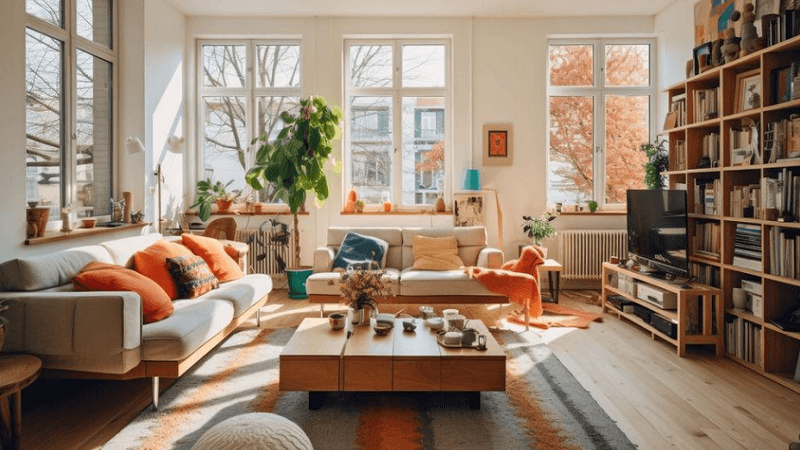
There’s a quiet magic that happens when design stops shouting and starts whispering. Homes stop feeling like showrooms and start feeling like real places where life happens. This is the essence of design restraint: knowing when less truly is more.
The Power of Simplicity
Simplicity in design isn’t about empty spaces or bland aesthetics. It’s about thoughtful choices. Research shows that cluttered environments increase stress levels and reduce overall comfort. By focusing on fewer, more meaningful elements, a home feels calm, welcoming, and authentic. A plain wooden dining table, a single well-placed rug, or a soft linen throw can speak volumes without overcomplicating the room.
Natural Materials Create Emotional Comfort
Materials matter more than we often realize. Natural elements like wood, stone, and linen bring warmth and texture that synthetic alternatives rarely match. Stone, for example, offers a timeless beauty and tactile satisfaction. Using natural stone slabs in kitchens or living areas can subtly ground a space, making it feel anchored and lived-in. One can explore quality options at stonecenters.com or through Charlottesville Limestone Fabricators for limestone that blends seamlessly into a cozy, minimalist interior.
Less is More: Practical Applications
- Declutter intentionally: Keep surfaces free of unnecessary objects. A few curated items tell a story more effectively than a crowded display.
- Layer textures: Combine soft textiles, polished wood, and natural stone to add depth without visual chaos.
- Focus on function: Every piece should serve a purpose, from the furniture you choose to the lighting that frames your space.
- Use neutral palettes: Soft, earthy colors allow natural materials to shine and create a relaxed atmosphere.
- Introduce biophilic elements: Plants and natural light not only improve air quality but enhance emotional well-being.
Real World Examples
Consider a modern home in Austin that stripped back ornate furniture and relied on clean lines, muted tones, and natural stone surfaces. The result? A living room that invites conversation, reading, or quiet reflection without ever feeling staged. In a Brooklyn apartment, simply replacing synthetic countertops with limestone added character and authenticity, proving that natural materials elevate everyday spaces effortlessly.
Authenticity Over Trendiness
Trends come and go, but authenticity endures. Homes that reflect the personalities of the people living in them feel instantly more comfortable. Avoid chasing every new design fad and instead focus on materials, textures, and layouts that resonate with your lifestyle. That authenticity translates into a home where guests feel welcome and family members feel at ease.
Street Smart Takeaways
- Prioritize durability and timeless appeal over flashy trends.
- Invest in a few high-quality pieces rather than filling rooms with inexpensive, temporary items.
- Observe how natural light interacts with materials throughout the day to enhance comfort.
- Let the home evolve organically. Sometimes the most charming spaces are those that develop character over time.
When design stops trying too hard, homes start feeling right. It’s about restraint, honesty in materials, and creating spaces that support real living. Simplicity paired with natural texture doesn’t just elevate aesthetics—it helps add warmth to your interior decor, whether through the richness of wood or the grounding presence of limestone that invites a sense of peace and belonging. In the end, a home that feels right isn’t measured by trendiness or perfection, but by the comfort, authenticity, and quiet joy it offers to those who inhabit it.