
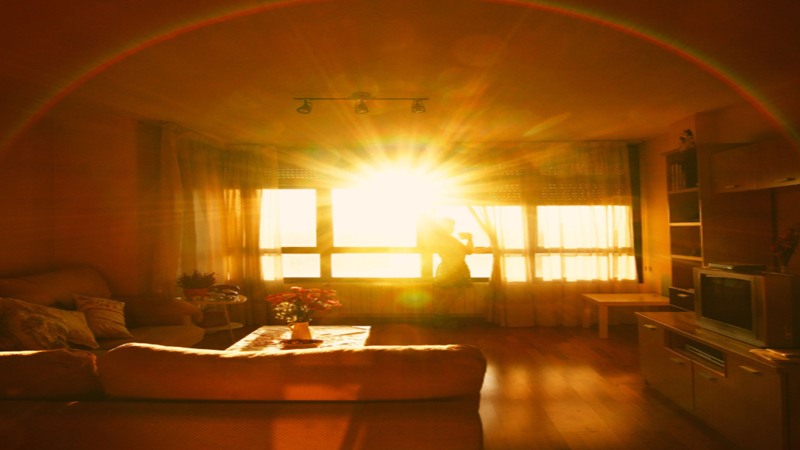
Summer is traditionally associated with bright, sun-drenched days, long afternoons, and abundant natural light filling our living spaces. However, many homeowners notice a puzzling phenomenon during the mid-to-late summer months: despite the intense heat outside, indoor spaces often feel dimmer, gloomier, and surprisingly shadowed. This optical paradox is caused by summer haze, an atmospheric phenomenon produced by a combination of elevated humidity levels, lingering seasonal dust, airborne pollen, and occasionally drifting wildfire smoke. Together, these airborne particles scatter incoming sunlight, muting its natural intensity before it can ever reach your windows. At the same time, weeks of heat and moisture cause environmental film to rapidly accumulate on your glass panes, blocking the softened light from effectively penetrating your interior rooms. Understanding how atmospheric haze interacts with your home is the first step toward restoring the vibrant, sunlit atmosphere you expect during the summer season.
The Environmental Forces Behind Summer Atmospheric Haze
During mid-to-late summer, ambient air temperatures peak, holding significantly higher volumes of water vapor than during cooler seasons. High humidity causes microscopic water droplets to bind with airborne pollutants, creating a dense atmospheric blanket that actively diffuses direct sunlight. Instead of sharp, vibrant beams reaching the ground, rays become scattered and softened across the sky. Furthermore, dry spells stir up road dust and mineral particles, while peak botanical cycles fill the air with sticky pollen grains.
In many regions, distant wildfire smoke introduces fine particulate matter that absorbs sunbeams and casts an eerie, amber-gray shadow over neighborhoods. This environmental filter reduces the overall lux levels hitting your home exterior, making indoor spaces feel shadowy and uninviting. To counteract these external effects and protect interior brightness, many homeowners rely on professional residential window cleaning in Tampa, FL to eliminate stubborn, light-blocking atmospheric residue.
How Dirt and Film Accumulate on Summer Windows
While atmospheric haze diffuses light in the sky, a secondary issue builds up directly on your window panes. High humidity combined with elevated temperatures creates a sticky environment where airborne dust, pollen, mineral deposits, and pollution bind firmly to glass surfaces. Afternoon rain showers often compound this problem by leaving behind mineral spots as dirty water evaporates quickly under the blazing sun.
Over several weeks of mid-summer weather, a noticeable grime film coats the glass, reducing optical transparency and blocking crucial natural light from entering your living spaces. When diffused sunlight hits dirty window glass, the remaining light rays scatter further rather than passing cleanly through into your rooms. The resulting interior atmosphere feels muted, cast in heavy shadows, and lacking the bright energy typical of sunny summer days. Cleaning away this accumulated layer is essential for maximizing interior illumination without resorting to artificial light sources.
Practical Ways to Maximize Daylight Without Renovations
Homeowners can implement several simple, non-invasive strategies to boost interior brightness during hazy summer months. Start by adjusting your interior decor to optimize light reflection throughout main living areas. Swap heavy, dark drapes for sheer, light-colored curtains that privacy-screen windows while allowing scattered daylight to filter through softly. Placing large decorative mirrors opposite major light sources effectively bounces available daylight deeper into hallway corridors and shadowy corners.
Trim back overgrown shrubs, tree branches, or dense garden vines outside your windows to clear unobstructed pathways for natural light. Inside, select lighter upholstery tones and reflective home accessories to amplify existing illumination across surfaces. Finally, keep window screens clear of trapped dust, bugs, and pollen by wiping them down regularly, ensuring that every available ray of sunshine passes unhindered into your home.
How Professional Window Cleaning Restores Natural Light
Deep cleaning your glass surfaces is one of the most cost-effective ways to immediately brighten a dim home interior during late summer. Standard household glass cleaners often leave behind micro-streaks or static charges that attract fresh dust within days of application. Professional technicians utilize specialized purifications, non-abrasive scrubbing tools, and streak-free squeegee techniques to completely strip away stubborn sap, hard water spots, and atmospheric pollution buildup.
Removing this invisible haze layer allows up to twenty percent more natural light to penetrate glass panes effortlessly. Beyond brightening your living room and kitchen, clean windows eliminate unpleasant glare and improve your overall visual connection to outdoor greenery. Routine seasonal washing restores optical clarity, ensuring your home stays vibrant, energizing, and beautifully illuminated even when summer skies remain hazy overhead.
Frequently Asked Questions
Why do my rooms feel darker in late summer despite long daylight hours?
High atmospheric humidity, pollen, and airborne particles scatter direct sunlight, reducing light intensity. Combined with dirty glass buildup, less sunlight penetrates indoors.
Can window screens contribute to dim indoor spaces during summer?
Yes, window screens accumulate significant dust, pollen, and debris over summer, which blocks airflow and traps additional light-diffusing particles right against the glass.
How often should home windows be cleaned during the summer months?
A thorough exterior window cleaning every three to four months prevents heavy grime accumulation, maintaining maximum clarity and natural sunlight penetration throughout peak seasons.
Does wildfire smoke really affect indoor lighting conditions?
Wildfire smoke carries fine particulate matter across vast distances, absorbing and scattering blue light wavelengths, which creates a dark, orange-gray hue and reduces natural daylight.
Will lighter interior paint colors help reduce summer darkness?
Yes, painting walls in lighter neutral shades with satin or semi-gloss finishes reflects available light rays, significantly amplifying daylight inside hazy or shaded interior rooms.
Final Thoughts
Summer haze can quietly strip your home of its warmth and vitality, turning what should be bright, inviting rooms into dim, shadowy spaces. By understanding how environmental humidity, airborne dust, and seasonal grime impact incoming natural light, you can take simple proactive steps to protect your living environment. Maximizing daylight doesn’t require expensive architectural overhauls; simple changes like clearing exterior foliage, arranging light-reflecting decor, and keeping glass surfaces spotless make a dramatic difference.
Clean windows act as a clear gateway, ensuring every available sunbeam brightens your interior. Investing a little attention in your home’s natural light sources brings back the cheerful, sunlit atmosphere that makes summertime living so enjoyable.