
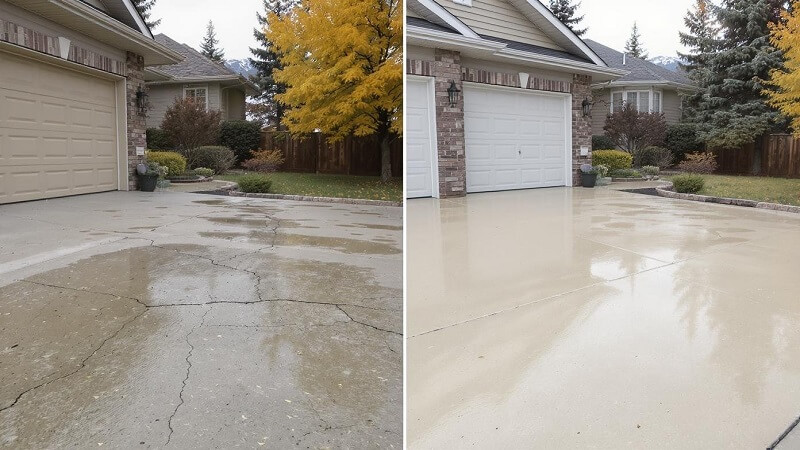
When winter finally fades and spring arrives, most homeowners expect their property to look fresher and more vibrant. But instead, many notice something frustrating. Their driveway, which seemed fine during the colder months, suddenly looks dull, stained, and uneven. This shift can feel confusing at first. After all, snow has melted and the harsh weather is gone. So why does the surface appear worse now? The answer lies in what winter leaves behind and how spring conditions reveal it. From moisture buildup to salt residue and sunlight exposure, several hidden factors combine to make your driveway look aged and worn as temperatures rise.
The Hidden Impact of Freeze-Thaw Cycles
One of the biggest reasons your driveway looks worse in spring is the effect of repeated freeze-thaw cycles during winter. When temperatures fluctuate, water seeps into tiny cracks in your driveway. As the temperature drops, that water freezes and expands. When it warms again, the ice melts and contracts.
This constant expansion and contraction gradually weakens the surface. Small cracks widen, and the material becomes more porous. While these changes happen slowly, they are not always visible when snow covers everything. Once spring arrives and the surface is exposed, those imperfections become obvious.
Even minor damage can create an uneven appearance, making your driveway look older than it really is.
Moisture Buildup Leaves Stains Behind
Winter brings a lot of moisture, whether from snow, ice, or freezing rain. As snow sits on your driveway, it traps dirt, debris, and pollutants against the surface. When the snow melts, all of that residue is left behind.
In spring, the remaining moisture doesn’t just disappear. Instead, it seeps into the surface, carrying grime deeper into the material. This often leads to dark patches, streaks, and discoloration.
What makes it worse is that these stains tend to dry unevenly. Some areas retain moisture longer than others, creating a blotchy look that becomes more noticeable in daylight.
Salt Residue and Chemical Damage
During winter, many homeowners use de-icing salts to keep their driveways safe. While these products are effective at melting ice, they come with a downside.
Salt can leave behind a chalky white residue that clings to the surface. Over time, it can also break down the top layer of concrete or asphalt. This process not only weakens the material but also changes its appearance.
In spring, as the driveway dries out, these salt deposits become highly visible. Instead of a clean surface, you are left with streaks, patches, and a faded look that can be hard to ignore.
Oil and Vehicle Stains Become More Noticeable
Throughout winter, oil leaks and vehicle fluids often go unnoticed. Snow and ice act like a temporary cover, hiding stains that would normally stand out.
Once spring arrives and everything melts, those spots are suddenly exposed. Not only that, but the moisture from melting snow can spread these stains, making them larger and more prominent.
Warmer temperatures also play a role. As the surface dries, oil stains darken and contrast more sharply against the surrounding material. This makes your driveway look dirtier than it actually is.
Sunlight Reveals Every Imperfection
Another reason your driveway looks worse in spring is simple. There is more sunlight.
During winter, low light and overcast skies can hide surface flaws. But as spring brings longer days and brighter sunlight, every crack, stain, and uneven patch becomes easier to see.
Sunlight enhances contrast, which means even small imperfections stand out more clearly. What seemed like a clean surface in winter can suddenly appear worn and neglected.
This is often why homeowners feel their driveway has “gotten worse overnight,” even though the damage has been building for months.
Surface Inconsistencies Become More Visible
Spring doesn’t just reveal stains. It also highlights texture differences across your driveway.
Areas that have experienced more wear may look rougher or lighter in color. Sections that retained moisture longer might appear darker. These inconsistencies create an uneven visual effect that can make the entire driveway look aged.
In some cases, small patches of erosion or minor surface breakdown become noticeable for the first time. While they may not affect function immediately, they do impact overall appearance.
Mold, Mildew, and Algae Growth
With increased moisture and warmer temperatures, spring creates the perfect environment for organic growth. Mold, mildew, and algae can begin forming on your driveway, especially in shaded areas.
These growths often appear as green, black, or dark brown patches. They not only look unattractive but can also make the surface slippery.
Because they develop quickly in spring conditions, they can give the impression that your driveway has deteriorated suddenly, even though the process started earlier.
Why Spring Is the Time for a Reset
While it might feel discouraging to see your driveway looking worse, spring actually offers the perfect opportunity to restore it.
This is the time when many homeowners turn to professional cleaning to remove built-up grime, salt residue, and stains. Services like Bethlehem driveway and siding power washing services can effectively clean deep into the surface, lifting dirt and restoring a more uniform appearance.
Power washing does more than improve how your driveway looks. It also helps prevent further damage by removing harmful substances that can break down the material over time.
The Benefits of Power Washing in Spring
A thorough cleaning in spring can make a dramatic difference. It removes months of accumulated debris and reveals the true condition of your driveway.
Power washing can eliminate stubborn stains, reduce discoloration, and improve overall curb appeal. It also prepares the surface for any repairs or sealing that might be needed.
By addressing these issues early, you can extend the life of your driveway and avoid more costly problems later on.
Simple Maintenance Tips Moving Forward
Once your driveway has been cleaned, maintaining it becomes much easier. Regular sweeping and occasional rinsing can help prevent buildup.
It is also a good idea to address oil leaks quickly and limit the use of harsh de-icing chemicals in future winters. Sealing your driveway can provide an extra layer of protection against moisture and stains.
These small steps can go a long way in keeping your driveway looking better year-round.
FAQs
- Why does my driveway look clean in winter but dirty in spring?
Snow and ice often cover stains and imperfections, hiding them from view. When everything melts, the underlying dirt, salt residue, and damage become visible. - Can salt permanently damage my driveway?
Yes, repeated use of de-icing salt can weaken the surface and cause discoloration over time. It can also contribute to cracking and surface breakdown. - Is power washing safe for all types of driveways?
When done correctly, power washing is safe for most materials, including concrete and asphalt. Professional services use the right pressure and techniques to avoid damage. - How often should I clean my driveway?
Most homeowners benefit from cleaning their driveway at least once a year, ideally in spring. Additional cleaning may be needed if there are heavy stains or frequent use.
Conclusion
If your driveway looks worse in spring than it did in winter, you are not alone. The combination of freeze-thaw cycles, moisture, salt residue, and increased sunlight exposes months of hidden wear and tear. What you are seeing is not sudden damage but the result of winter’s lasting impact. The good news is that spring is also the best time to take action. With proper cleaning and maintenance, you can restore your driveway’s appearance and protect it for the seasons ahead.