
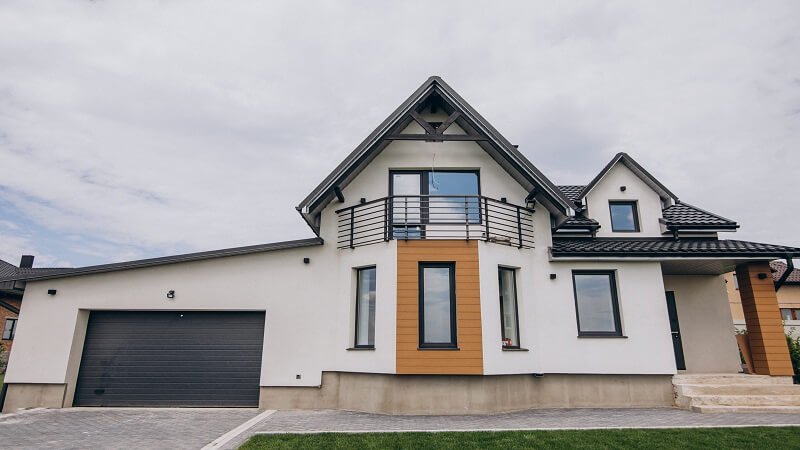
Architectural design shapes the way people live, work, and connect with their surroundings. Beyond aesthetics, it reflects thoughtful planning, cultural context, and long-term functionality. Well-designed spaces consider proportion, light, materials, and environmental impact, creating structures that remain relevant and adaptable over time. Whether in residential neighborhoods or commercial districts, architecture influences daily experiences in subtle but meaningful ways. It balances creativity with technical precision, ensuring that buildings are not only visually appealing but also safe, efficient, and enduring.
Across different communities, professionals such as architects Merion, PA contribute to shaping built environments that respond to local character and practical needs. Their work, like that of architects elsewhere, often involves collaboration with engineers, planners, and clients to achieve cohesive results. Through careful site analysis and sustainable strategies, architectural planning supports long-term value, demonstrating how thoughtful design decisions today can benefit future generations.
Designing for Durability
Durable architecture does not happen by accident. Smart design choices, including weather-resistant materials, sound engineering, and flexible layouts, are the foundation of buildings that last. Selecting materials such as brick, stone, or advanced concrete, and using construction techniques proven to withstand the test of time, gives structures a fighting chance to remain relevant for decades.
A building that can be repurposed as demands shift becomes an asset rather than a liability. This adaptability reduces the environmental and financial costs of demolition and new construction. Durable design strategies not only enhance sustainability but also enrich cultural ties by allowing generations to interact with and reinterpret built heritage.
Recognizing Enduring Architecture
Celebrating structures that have proven their relevance over time underscores the need for thoughtful, robust design. For example, the American Institute of Architects’ Twenty-five Year Award highlights projects that maintain utility and aesthetic value for at least a quarter-century. Recognition like this shows that architecture with lasting value is widely admired, fostering inspiration and higher standards across the profession.
Designs that receive such accolades often demonstrate an exceptional ability to function and remain visually appealing across changing eras. They blend innovation with time-tested techniques, serving as role models for both contemporary and future architects. This approach helps communities appreciate the deep connections that form when buildings become enduring fixtures of local identity.
Innovative Materials and Techniques
Advances in materials science and construction techniques continue to revolutionize architecture’s ability to stand the test of time. The development of high-performance concrete, improved insulation systems, and smart building technologies has made modern structures more resilient and adaptable than ever before. Early examples, like the use of concrete masonry in historic districts, show how innovation leads to longevity, combining strength with versatility.
Today, architects are embracing technologies such as green roofs, energy-efficient glazing, and modular construction. Not only do these methods extend the functional lifespan of buildings, but they also provide increased flexibility for future modifications. Enduring design is achieved by blending modern inventions with core architectural principles, paving the way for resilient cities and neighborhoods.
Case Study: Pancratia Hall
Located in Denver, Pancratia Hall stands as a testament to the power of timeless design and adaptive reuse. The former dormitory, built a century ago with robust concrete masonry, was recently transformed into welcoming, affordable housing. Thanks to its durable foundation, the building was converted for contemporary use with minimal structural intervention, saving both resources and embodied energy.
This complex project illustrates how early investment in long-lasting materials and flexible plans allows older buildings to remain viable, and even vital, in new forms. Pancratia Hall’s journey shows that, with foresight and quality design, buildings can meet society’s changing needs while retaining their historical character. For more about this transformation, see the American Institute of Architects case study.
The Role of Architects in Sustainable Design
Architects have a unique responsibility to think beyond immediate function and style. By prioritizing materials that last, layouts that adapt, and energy systems that conserve resources, architects help shape cities that foster prosperity and sustainability. Their vision and expertise ensure that buildings become beloved landmarks rather than disposable shells.
Enduring architecture is not just about construction. It encompasses stewardship, community engagement, and innovation. With an eye on the future, architects contribute not only to the built environment but also to the social fabric, supporting economic vitality and environmental health for generations.
Conclusion
The most meaningful architectural designs are those that continue to enrich communities over the years. By prioritizing durability and adaptability, architects and stakeholders create genuine value that extends far beyond the initial build. Thoughtfully designed buildings are not simply preserved; they are perpetually renewed, serving as vital, beautiful, and sustainable parts of our shared human story.