
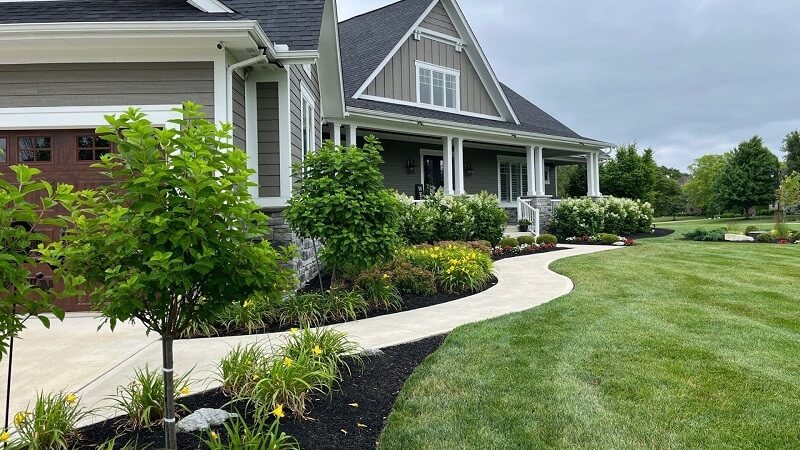
A front yard should not feel like it only shines during one season. While many homeowners focus heavily on making their space look festive in December, the real goal is to create a landscape that feels balanced, welcoming, and visually appealing every single month of the year. A well-designed yard does more than boost curb appeal. It creates a sense of harmony between your home and its surroundings, making your property feel complete. By focusing on structure, plant selection, lighting, and layout, you can build a front yard that looks just as good in the heat of summer as it does during the holiday season. Thoughtful design choices ensure that your outdoor space always feels intentional rather than temporary.
Start with Structure, Not Decoration
The biggest mistake people make is treating their front yard like a seasonal display instead of a permanent design. Before thinking about flowers or lights, focus on the structure. This includes pathways, borders, driveways, and defined planting areas. These elements act as the skeleton of your yard.
A clean, well-placed pathway immediately creates visual direction. Whether it’s stone, brick, or concrete, it should guide visitors naturally toward your entrance. Edging around lawns and garden beds also helps maintain a polished look throughout the year, even when plants are not in full bloom.
Hardscaping choices should be durable and timeless. Neutral tones and simple patterns tend to age better than trendy designs. When your structure is solid, everything else becomes easier to build around.
Choose Plants That Work in Every Season
Seasonal flowers are great, but they should not be the main feature of your yard. Instead, aim for a mix of evergreen plants, shrubs, and perennials that offer visual interest all year.
Evergreens provide consistency. They keep your yard from looking empty in winter. Shrubs with different textures and heights add depth, while perennials ensure that something is always blooming as the seasons change.
Think in layers. Taller plants at the back, medium shrubs in the middle, and smaller plants in the front create a natural flow. Adding ornamental grasses or plants with interesting bark can also give your yard character during colder months when flowers are limited.
Use Lighting as a Permanent Design Element
Lighting is often treated as an afterthought, but it plays a major role in how your yard looks and feels at night. Instead of relying only on temporary lights during the holidays, install permanent outdoor lighting that highlights key features.
Path lights improve safety and create a welcoming glow. Uplighting can draw attention to trees or architectural elements of your home. Soft lighting around seating areas or entryways adds warmth without being overwhelming.
Good lighting design is subtle. It should enhance your yard without making it look overly bright or artificial. When done right, it adds elegance throughout the year, not just in December.
In fact, seasonal lighting can blend seamlessly into a well-planned setup. For example, a professional Zionsville IN holiday light installation service can work alongside your existing lighting design, enhancing your yard during the holidays without making it feel like a completely different space.
Create a Strong Focal Point
Every well-designed front yard has a focal point. This is the feature that draws attention and gives the space a sense of purpose. It could be a tree, a water feature, a sculpture, or even a beautifully designed entryway.
The key is to keep it simple. One strong focal point is more effective than several competing elements. Position it where it naturally catches the eye, such as near the center of your yard or along the main walkway.
Focal points should also be permanent or long-lasting. While seasonal decorations can enhance them, the main feature should stand on its own throughout the year.
Balance Open Space and Planting Areas
A common issue in front yard design is overcrowding. People often try to fill every inch with plants, decorations, or features. This can make the space feel cluttered and hard to maintain.
Open space is just as important as planted areas. A clean, well-maintained lawn or a simple gravel section can provide contrast and make other elements stand out more.
Balance is key. Too much empty space can feel plain, while too much planting can feel chaotic. The goal is to create a layout that feels intentional and easy on the eyes.
Think About Maintenance from the Start
A beautiful yard is only effective if it stays that way. High-maintenance designs often look great initially but become difficult to manage over time.
Choose plants that are suited to your climate and require minimal upkeep. Consider how much watering, trimming, and cleaning will be needed. Materials for pathways and structures should also be easy to maintain.
Automation can help. Simple irrigation systems or low-voltage lighting setups reduce the amount of manual work required. The easier it is to maintain your yard, the more consistently it will look good.
Use Color Strategically
Color plays a big role in year-round appeal. Instead of relying only on bright seasonal flowers, think about how colors will look across different seasons.
Neutral tones in hardscaping provide a stable base. Green from evergreen plants keeps the yard alive during winter. Seasonal flowers can then add pops of color without overwhelming the design.
You can also use elements like planters or outdoor decor to introduce temporary color changes. This allows you to refresh the look of your yard without redesigning the entire space.
Incorporate Subtle Seasonal Touches
Seasonal decor should enhance your yard, not take over it. The goal is to make small adjustments that reflect the time of year while keeping the overall design consistent.
In spring, this might mean adding flowering plants. In autumn, a few warm-toned accents can create a cozy feel. During winter, lighting and minimal decorations can add charm without clutter.
When your base design is strong, even small seasonal updates can have a big impact.
Blend Functionality with Style
Your front yard is not just for looks. It should also be practical. Think about how people use the space. Is there a clear path to the entrance? Is the lighting sufficient at night? Are there areas that could benefit from seating or shade?
Functional elements can still be stylish. A bench, for example, can serve as both a seating area and a design feature. Similarly, a well-designed pathway improves usability while adding visual appeal.
The best designs always balance form and function.
FAQs
- How can I make my front yard look good in winter?
Focus on evergreen plants, clean hardscaping, and proper lighting. These elements keep your yard visually appealing even when flowers are not in bloom. - What is the most important element in front yard design?
Structure is the foundation. Pathways, layout, and defined spaces matter more than decorations or seasonal plants. - Are seasonal decorations necessary for a beautiful yard?
No, they are optional. A well-designed yard looks good on its own. Seasonal decor should only enhance, not define, the space. - How do I keep my yard low maintenance?
Choose native or climate-appropriate plants, use durable materials, and consider simple automation like irrigation systems to reduce ongoing effort.
Conclusion
Designing a front yard that looks good year-round comes down to making smart, lasting decisions. Instead of focusing on short-term decoration, invest in structure, plant selection, lighting, and balance. When these elements are thoughtfully planned, your yard naturally adapts to each season without losing its appeal. Seasonal touches, including holiday lighting, then become enhancements rather than necessities. The result is a space that feels complete, welcoming, and consistent every month of the year.