
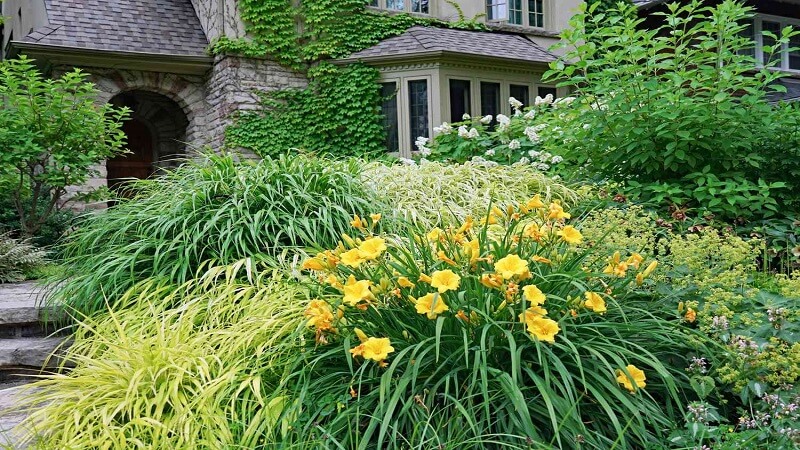
You’d never show up to a job interview in a wrinkled shirt, so why let your property greet visitors with overgrown hedges and a poor-looking lawn? First impressions do matter, and your garden usually makes them before anyone even knocks on the door.
Poor landscaping can quite easily chip away at your property’s value, your comfort, and sometimes even your relationship with the neighbours. Here’s exactly how it causes damage, and why sorting it out sooner rather than later is well worth your time.
It Creates Drainage and Damp Problems
When your garden isn’t level or the soil is packed tight against your walls, water has nowhere to go but in.
In especially rainy areas, poor drainage can lead to water pooling against your home’s foundation. This moisture eventually seeps into the brickwork, causing penetrating damp that is incredibly expensive and difficult to treat properly.
Overgrown flower beds right against the house can also block essential air bricks that allow your floors to breathe. Once damp takes hold, the structural integrity of your home drops, and so does the price a buyer is willing to pay.
Professional surveyors will spot these water marks instantly, marking down your property value before they even step inside your hallway.
It Increases Ongoing Maintenance Costs
Sure, we all like to think that we’ll deal with the garden later this week. But let’s be honest, that’ll just lead to a gnarly situation that you simply can’t manage on your own without a team of professionals and a very heavy-duty brush cutter.
A few weeds take only five minutes to deal with, but a year of neglect will create a thicket that requires heavy machinery to clear.
Vines like ivy might look pretty on your brick wall, but they’ll have no qualms dismantling your mortar and choking your gutters. So clearing these invasive plants is essential and often requires specialist help to ensure they don’t simply sprout back up.
If you’ve spent your budget on interior upgrades, a neglected exterior can feel like a heavy anchor dragging your finances down. Plus, investors look at a messy garden and see a money pit, which will eventually lead to much lower offers.
It Attracts Pests and Creates Hygiene Issues
Tall grass and piles of fallen leaves are the perfect hiding spots for rodents, slugs, and all sorts of creepy-crawlies. In many UK suburbs, unkempt gardens provide cover for rats to move from the street into your shed.
Once they’ve infested your overgrown bushes, it’s only a matter of time before they try to enter the house. This creates a massive hygiene risk, especially if you have children or pets who want to spend time on the lawn.
Additionally, rotting organic matter produces unpleasant smells that can waft through open windows on a rare warm summer afternoon.
And, naturally, no one wants to buy a house that comes with a built-in colony of vermin hiding just behind the overgrown hydrangeas.
It Makes Outdoor Spaces Functionally Useless
A garden should be an extra room for your home, a place for barbecues, morning coffees, or just sitting in the sun. When your landscaping is less than ideal, you lose that entire square footage because you can’t actually stand to be in it.
Overgrown shrubs can block natural light from entering your living room, making your entire home feel dark and gloomy inside. And if your patio is covered in moss and your lawn is constantly waterlogged, you are essentially paying for space you can’t use.
This lack of flow between the inside and outside makes a house feel much smaller than it actually is on paper.
And let’s be honest, buyers today crave outdoor living, so a garden that isn’t functional is a huge missed opportunity to boost your asking price.
It Causes Safety Hazards
Cracked paving slabs and hidden tree roots are accidents waiting to happen for you and your unsuspecting visitors.
If your garden paths are uneven, you’re looking at a serious tripping hazard that could lead to nasty falls or injuries. Old, diseased trees that haven’t been pruned are also a major risk during the windy storms we often get in the UK.
A falling branch can easily crush a fence, a car, or even a section of your roof, causing thousands in damage.
Understandably, liability is a real concern, as you could be held responsible if someone gets hurt on your poorly maintained property.
Ensuring your pathways are clear and your trees are healthy is essential for keeping your home safe and sellable.
It Signals Neglect to Visitors, Tenants, and Buyers
Your garden is the first thing people see, and it speaks volumes about the state of the rest of your home.
It suggests that if you haven’t bothered to mow the lawn, you probably haven’t serviced the boiler or fixed leaks. This halo effect of neglect can make even a beautiful kitchen look suspicious to a savvy property buyer or renter.
In the UK property market, curb appeal can have a noticeable impact on perceived value and buyer interest. To avoid losing out on this value, many homeowners invest in expert landscaping services to ensure their grounds remain pristine year-round.
A tidy, well-designed lawn welcomes people in and gives them confidence that the property has been loved and maintained.
It Can Breach Local Regulations or HOA Guidelines
In some parts of the UK, especially in managed estates or conservation areas, you have a legal duty to maintain your land.
Overhanging branches that block public footpaths or obscure street signs can lead to stern letters and fines from the local council. If your weeds are invasive species like Japanese Knotweed, failing to control them can lead to massive legal and financial headaches.
Many modern housing developments have covenants that require you to keep your front garden to a certain aesthetic standard. Breaching these rules could very well create red flags during the legal process of selling your home.
Solicitors will flag these issues, and they can hold up a sale for months while you scramble to fix the mess, so it’s best to avoid these issues in the first place.
Conclusion
Your garden doesn’t need to be award-winning, but it does need to be looked after. A bit of consistent attention goes a long way toward protecting your property’s value, your safety, and the impression it leaves on everyone who sees it.
Luckily, the damage poor landscaping causes is almost entirely reversible. So, give your lawn the care it needs, and it’ll repay the effort in spades!