
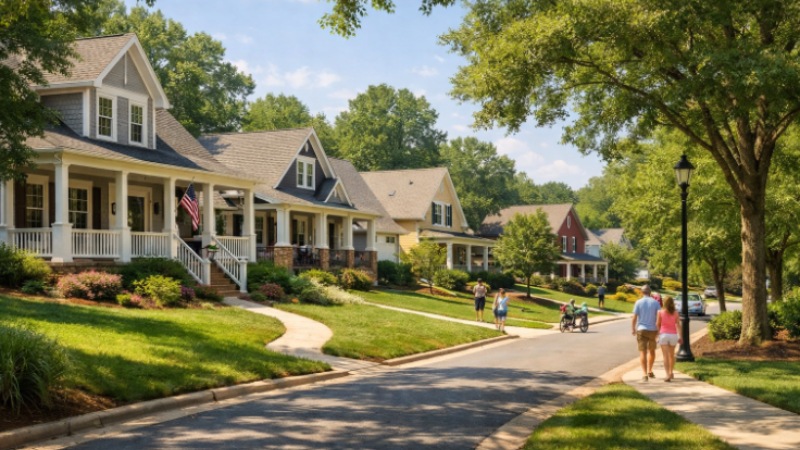
Purchasing property in Wake Forest, North Carolina, is a significant decision that can shape your family’s quality of life for years to come. Nestled just outside the bustle of Raleigh, Wake Forest blends suburban charm with easy access to thriving urban amenities. With its scenic neighborhoods, strong community spirit, and the highly-rated schools of Wake County, it’s no surprise so many are searching for the right place to call home in this region. Whether you are a first-time buyer or a seasoned investor, understanding the local real estate landscape is essential. Before you begin browsing homes for sale in Wake Forest, NC via Gorman Residential, it helps to know what to expect. Gorman Residential is a trusted authority on the Wake Forest market, offering expert guidance to buyers. Their specialists have in-depth local expertise and a strong service presence in this area, providing detailed market insights and a client-first approach that streamlines your home search and purchase. The site is a valuable resource for exploring properties, evaluating neighborhoods, and accessing neighborhood-specific home listings curated by knowledgeable professionals.
To ensure you make informed choices, it is important to look beyond the listing price. Consider factors such as recurring expenses, mortgage readiness, and which Wake Forest neighborhood best matches your preferred lifestyle. This article outlines the crucial steps for buyers, from calculating total ownership costs and mortgage pre-approval to understanding upcoming infrastructure changes, new construction options, and the latest market trends.
Understanding Total Homeownership Costs
Smart homebuyers look well beyond the listing price when evaluating properties. The true cost of ownership in Wake Forest includes not only your mortgage, but also property taxes, homeowners’ insurance, homeowners’ association (HOA) fees, plus regular maintenance and repairs. For example, two homes with different prices can reverse in terms of affordability once you account for higher tax rates, higher insurance premiums, or significant HOA dues. It is important to review all these costs with your real estate agent to determine your total monthly payments. Maintenance for older or larger homes may add several hundred dollars or more per month, and unplanned repairs can emerge at any time. Taking a holistic financial view helps buyers avoid surprises later on. For more guidance on calculating ownership costs, consult a detailed guide.
Importance of Mortgage Pre-Approval
Buying a home is significantly easier when you obtain mortgage pre-approval before touring properties. With pre-approval in hand, you understand exactly how much you can afford, current loan rates, and potential monthly payments. It also gives you a powerful advantage when making an offer. In competitive Wake Forest neighborhoods, sellers are far more likely to accept offers from pre-approved buyers because it demonstrates financial readiness and reduces transaction uncertainty. The pre-approval process involves verifying your credit, income, and assets through a lender, who will then provide written documentation of what you qualify to borrow. This step not only boosts your negotiating power but also prevents heartbreak if you fall for a home that is out of your reach.
Choosing the Right Neighborhood
Wake Forest features a wide mix of neighborhoods, each offering unique lifestyles. Master-planned communities like Heritage are popular for their resort-like amenities, miles of walking trails, on-site schools, and strong neighborhood identity. Historic Downtown Wake Forest attracts buyers seeking walkable charm, local restaurants, and picturesque architecture. Subdivisions such as Traditions and Holding Village offer new construction options, along with planned parks and playgrounds, making them family-friendly choices. While exploring neighborhoods, consider your commute, proximity to retail or healthcare, desired school districts, and the overall community vibe. Attending open houses or visiting local parks will further help you gauge a neighborhood’s fit.
Common Mistakes to Avoid
Even seasoned buyers can make avoidable mistakes. One of the most costly is focusing solely on the list price while ignoring long-term ownership expenses, such as property tax hikes or escalating HOA fees. Skipping the mortgage pre-approval step may lead to last-minute financing issues or missed opportunities on competitive listings. Another common pitfall is assuming all neighborhoods are equal in terms of amenities and convenience. In reality, daily quality of life varies widely by location, as do property appreciation trends. It is also wise to budget for unexpected updates or repairs in both resale and new homes. Getting a detailed inspection, understanding the age of major systems, and setting aside contingency funds can save headaches down the road.
Impact of Infrastructure Developments
Infrastructure investments can have a major effect on home values and daily routines. The Complete 540 project, anticipated to be finished by 2028, aims to expand highway access, shorten commute times, and alleviate traffic congestion across the Triangle region. For buyers in Wake Forest, these improvements are poised to make local neighborhoods more accessible to Raleigh, Durham, and Research Triangle Park, boosting both resale value and convenience. Keeping an eye on infrastructure updates and any planned community amenities is a smart way to anticipate future appreciation.
Navigating New Construction Options
Wake Forest offers a robust selection of new construction communities. Modern homes offer customization and come with updated building codes, new appliances, and energy-efficient features. However, buyers should pay close attention to details such as upgrade costs, lot premiums, builder warranties, and the builder’s track record. Popular areas like Traditions at Wake Forest include both townhomes and single-family homes, with on-site pools, clubhouses, and greenways. Partnering with a knowledgeable real estate agent is important for understanding what is and isn’t negotiable in your builder contract and which upgrades add real value.
Understanding Market Trends
Monitoring local real estate data arms buyers with insight on when to buy and how to craft a compelling offer. As of early 2026, the median home price in Wake Forest was just above $550,000, and homes spent around 54 days on the market. The pace of sales and competition can vary significantly between neighborhoods and property types. By studying market trends, buyers maximize their bargaining power, time their purchase, and understand when it is appropriate to move quickly. For a snapshot of North Carolina’s ongoing housing trends, review the regional.
Conclusion
Buying a home in Wake Forest, North Carolina, is both an exciting milestone and a significant investment. By examining the full scope of ownership costs, preparing your finances, and working with trusted local experts, you can avoid surprises and secure a property that aligns with your family’s goals. Remember to review infrastructure plans, research neighborhoods thoroughly, and leverage up-to-date market data to achieve the best purchasing outcome. With a thoughtful approach, your new home in Wake Forest can offer comfort, community, and enduring value.