
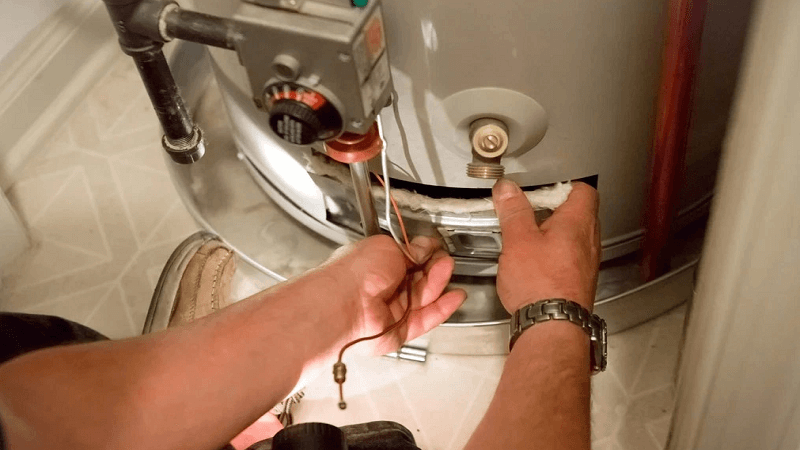
Hot water is a daily necessity for most households, powering everything from showers to dishwashers and laundry. When your water heater stops working as expected, it can disrupt your entire routine. Staying informed about common water heater problems and knowing what maintenance steps to take will help you prevent most issues before they escalate. If you’re experiencing ongoing troubles, professional assistance for water heater repair San Antonio, TX is often the safest solution to restore comfort and convenience to your home.
Proper care and regular inspections can significantly extend your water heater’s lifespan, boost its efficiency, and ensure a dependable year-round supply of hot water. From sediment buildup to faulty thermostats, most issues have straightforward fixes—some are DIY-friendly, while others require the expertise of a licensed plumber. Understanding these common signs and knowing when to call for help will ensure your system runs optimally for years to come.
Addressing water heater issues as soon as they arise will help you avoid surprise cold showers or costly emergency repairs. Immediate attention to strange noises, water discoloration, or leaks tends to prevent more serious complications. Performing annual maintenance extends the appliance’s lifespan and ensures it operates at peak efficiency, which can also save you money on your utility bills.
Insufficient Hot Water
The frustration of running out of hot water during a shower or while doing household chores is all too common. This problem may be rooted in several easily diagnosed issues:
- Undersized Water Heater:If your water heater’s tank is too small relative to your home’s hot water demands, you’ll frequently be left without enough hot water.
- Thermostat Settings:A thermostat set too low can prevent the water from reaching comfortable temperatures.
- Faulty Heating Elements:In electric units, a broken or failing heating element can drastically reduce heating performance.
To resolve insufficient hot water, ensure your appliance is correctly sized for your household. Also, check and set the thermostat to about 120°F for comfort and safety. Replacing any failing heating elements will restore heating capacity.
Fluctuating Water Temperatures
Inconsistent water temperature is a common annoyance and can usually be traced back to these causes:
- Sediment Buildup:Over time, minerals naturally present in water can gather at the bottom of your tank, reducing efficiency and interfering with water temperature regulation.
- Thermostat Malfunctions:A failing thermostat may not accurately sense or control water temperature.
Flushing the tank every year to remove sediment and testing or replacing the thermostat if necessary are the best ways to keep water temperatures stable and reliable.
Unusual Noises
Popping or rumbling sounds from your water heater are usually caused by sediment buildup. As water heats, the trapped sediment vibrates or moves, creating noise. Regularly flushing your tank reduces this risk.
Discolored or Smelly Water
Rusty-colored water or an offensive smell (often like rotten eggs) coming from your hot water taps can be alarming, but these signs usually indicate:
- Corroded Anode Rod:The sacrificial anode rod, which helps prevent tank rust, can degrade and stop offering protection.
- Bacterial Growth:Stagnant water, particularly in unused heaters, allows bacteria to thrive.
Replacing the anode rod and flushing the tank—potentially with a mild hydrogen peroxide solution—can eliminate these health and safety concerns. Address persistent discoloration or odor promptly to avoid water quality issues.
Leaks and Drips
Leaks are a serious concern and can cause extensive damage if neglected. They often result from:
- Loose Connections: Valves, pipes, and fittings may loosen over time, causing drips or seepage.
- Corroded Tanks: Corrosion within the tank itself often leads to irreparable leaks.
Routine inspections will help you catch and fix leaks early. If you spot water accumulating around your heater, inspect all connections. If you find tank corrosion, a replacement unit is usually necessary.
Pilot Light Issues
For gas-powered water heaters, pilot light problems are a common headache. When the pilot light won’t remain lit, look into:
- Thermocouple Malfunction:This safety device ensures the gas shuts off if the pilot goes out, but it may need to be replaced if it is faulty.
- Draftsor gusts of air can repeatedly extinguish the pilot flame.
As with most gas line problems, hiring a licensed plumber is recommended to diagnose and safely address these concerns.
Maintenance Tips
Preventive maintenance is vital to maximize both performance and longevity of your water heater, whether you’re maintaining a traditional tank system or considering an upgrade to a tankless water heater for improved energy efficiency and on-demand hot water. Key steps include:
- Annual Flushing:Helps clear sediment from the tank and maintains heating efficiency.
- Anode Rod Inspection:Check every 3-5 years, replacing if it’s less than half its original diameter or shows significant wear.
- Temperature Settings:Keeping the thermostat at 120°F helps reduce scalding risks and energy usage.
Many minor maintenance tasks are suitable for DIY, but be cautious—improper repairs can worsen problems or create safety hazards.
When to Call a Professional
Although homeowners can address many water heater issues, certain situations require professional expertise:
- Persistent Problems:If your troubleshooting attempts haven’t fixed the issue, or the problem keeps recurring.
- Significant Leaks:Leaky tanks or connections that don’t respond to tightening need professional evaluation.
- Gas Line Complications:Any concern with a gas-powered heater’s connections or operation should be handled only by a licensed technician.
Scheduling regular inspections, even when your heater appears to be working normally, is one of the most effective ways to prolong its usable life and avoid emergencies.
Consistent water heater maintenance and prompt response to early warning signs will help you enjoy dependable hot water, avoid costly repairs, and get the most value from your appliance. Being proactive is the best approach for comfort, efficiency, and peace of mind.
Future Outlook
As home technology continues to advance, the future of water heater care is moving toward greater efficiency, automation, and reliability. Homeowners can expect smarter systems equipped with real-time diagnostics, leak detection sensors, and energy-saving features that help prevent problems before they even start. Tankless and hybrid models will likely become more common as households look for sustainable options that lower utility costs and reduce maintenance needs.
Additionally, professional service providers are increasingly using digital tools to monitor performance and schedule preventative maintenance, making it easier than ever to keep your system in top shape. With these innovations, homeowners can look forward to fewer unexpected breakdowns, longer-lasting equipment, and a more convenient, cost-efficient approach to hot water management. Staying informed and proactive will remain key, but emerging technologies promise a future where maintaining your water heater is simpler—and more dependable—than ever.