
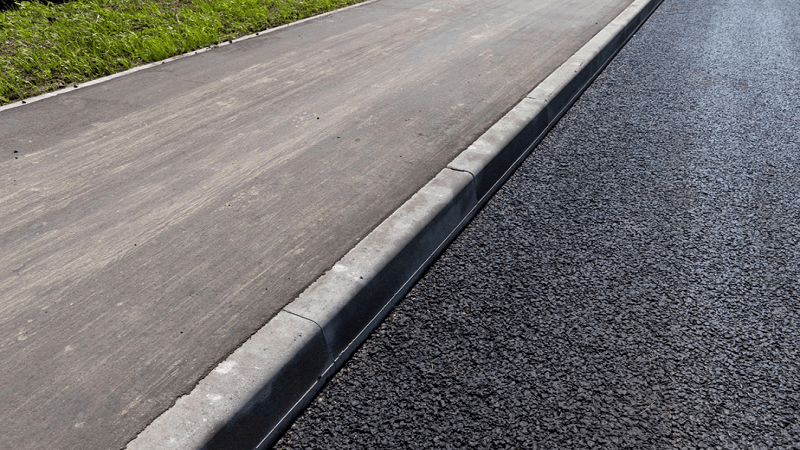
Choosing between concrete vs. asphalt for driveways involves understanding key differences. Concrete is recognized for its durability and customization options, making it a long-term investment. On the other hand, asphalt offers lower initial costs and faster installation. Maintenance needs and environmental impacts are also critical factors to consider. This comparison highlights essential aspects to help homeowners make an informed decision.
Table of Contents
- Concrete vs. Asphalt: Understanding the Basics of Each Material
- Advantages of Concrete Driveways for Durability and Aesthetics
- Why Choose Asphalt Driveways for Cost-Effectiveness and Flexibility?
- Summary of Key Factors to Consider When Choosing Between Concrete and Asphalt
- Making the Right Choice: Concrete vs. Asphalt for Your Driveway
Selecting the right material for a driveway is essential for homeowners considering both functionality and aesthetics. The debate between concrete vs. asphalt centers on various factors, including durability, maintenance needs, and cost.
Concrete driveways are known for their longevity and the ability to be customized, making them an appealing option for many. Conversely, asphalt driveways offer a more budget-friendly initial investment and are quicker to install. Stamped concrete contractors often highlight how decorative options can elevate curb appeal. Weighing these factors helps homeowners make informed decisions that meet their specific needs and preferences.
Concrete vs. Asphalt: Understanding the Basics of Each Material
When choosing a driveway material, understanding the fundamental differences between concrete and asphalt is essential. Both materials have distinct characteristics that influence their performance, appearance, and longevity. Consulting experienced concrete driveway contractors can also help homeowners understand the installation process and determine which material best suits their property. By exploring the basics of each, you can better assess which option aligns with your needs and preferences.
What Is Concrete?
Concrete is a mixture of cement, sand, gravel, and water, known for its strength and versatility. It’s commonly used in driveways due to its durability and ability to be customized with finishes like stamping or staining. Key features include:
- Long-lasting performance with proper maintenance.
- Available in decorative options such as stamped or colored designs.
- Resists cracking under heavy loads but can be prone to surface wear over time.
Concrete driveways are ideal for homeowners seeking a durable, aesthetically pleasing surface that enhances curb appeal.
What Is Asphalt?
Asphalt, made from a mix of aggregates and bitumen, is a popular choice for driveways due to its cost-effectiveness and flexibility. It’s often used in colder climates because it can withstand freeze-thaw cycles without significant damage. Notable traits include:
- Smooth, black surface that provides a clean, uniform look.
- Requires regular sealing to maintain durability and prevent cracking.
- Softer material that adapts well to minor ground shifts.
Asphalt driveways are favored for their affordability and ease of installation, making them a practical option for many households.
Advantages of Concrete Driveways for Durability and Aesthetics
Concrete driveways are a popular choice for homeowners who prioritize longevity, strength, and visual appeal. While they may come with a higher upfront cost, their benefits often outweigh the initial investment, especially for those seeking a driveway that combines functionality with style.
1. Long-Lasting Durability
One of the standout features of concrete driveways is their exceptional durability. When properly installed and maintained, concrete can last several decades without significant issues. Key points include:
- Resists heavy loads, making it ideal for households with frequent vehicle traffic.
- Withstands harsh weather conditions, including freeze-thaw cycles common in Canada.
- Less prone to cracking compared to asphalt, though surface wear can occur over time.
This longevity makes concrete a cost-effective option in the long run, despite its higher upfront price.
2. Customizable Aesthetic Options
Concrete driveways offer unparalleled versatility in terms of design and appearance. Homeowners can choose from a variety of finishes to match their property’s aesthetic:
- Stamped Concrete: Mimics the look of stone, brick, or tile for a high-end appearance.
- Colored Concrete: Adds a pop of color to complement your home’s exterior.
- Exposed Aggregate: Provides a textured, slip-resistant surface with a unique visual appeal.
These customization options allow homeowners to create a driveway that not only functions well but also enhances curb appeal.
3. Low Maintenance Requirements
Concrete driveways are relatively low-maintenance compared to other materials. While periodic cleaning and sealing are recommended, they don’t require the same level of ongoing care as asphalt. Benefits include:
- Minimal risk of weed growth through cracks if properly sealed.
- Resistant to oil stains, though spills should still be cleaned promptly to avoid discoloration.
- No need for frequent resealing, unlike asphalt, which reduces long-term effort and costs.
By choosing concrete, homeowners can enjoy a durable, attractive driveway with minimal upkeep, making it a practical and stylish solution.
Why Choose Asphalt Driveways for Cost-Effectiveness and Flexibility?
Asphalt driveways are a practical and budget-friendly option for homeowners seeking a reliable surface that performs well under various conditions. Known for their affordability and adaptability, asphalt driveways offer unique advantages that make them a popular choice, especially in regions with fluctuating weather.
Affordable Installation Costs
One of the most significant benefits of asphalt is its cost-effectiveness. Compared to concrete, asphalt typically requires a lower upfront investment, making it an attractive option for budget-conscious homeowners. Key points include:
- Less expensive materials and faster installation process reduce overall costs.
- Ideal for large driveways where material expenses can add up quickly.
- Provides a smooth, professional finish without breaking the bank.
While asphalt may need more frequent maintenance, its initial affordability often makes it a preferred choice for many households.
Flexibility to Withstand Weather Changes
Asphalt’s flexibility sets it apart from rigid materials like concrete. Benefits include:
- Reduces the risk of major cracks or structural damage due to temperature fluctuations.
- Smooths out minor imperfections over time as the material naturally settles.
- Performs well in areas with heavy snowfall, as snowplows can easily clear its surface.
This quality allows asphalt driveways to adapt to ground shifts caused by freezing and thawing cycles, which are common in Canadian climates.
Quick and Easy Repairs
Another advantage of asphalt is its ease of repair. Small cracks or surface wear can be addressed quickly and affordably, extending the life of the driveway. Key considerations include:
- Patching or resurfacing can restore the driveway’s appearance and functionality.
- Regular sealing every few years helps prevent water damage and prolongs its lifespan.
- Repairs are less invasive and costly compared to replacing sections of a concrete driveway.
By choosing asphalt, homeowners can enjoy a driveway that’s both economical and practical, requiring minimal hassle for upkeep.
Summary of Key Factors to Consider When Choosing Between Concrete and Asphalt
Choosing between concrete and asphalt for driveways involves comprehending the unique characteristics and benefits of each material.
| Feature | Concrete Driveways | Asphalt Driveways |
| Durability and Longevity | – Last 30 years or more with proper maintenance;
– Resistant to heavy loads. |
– Last 15 to 20 years, depending on conditions;
– Susceptible to cracking in extreme temperatures. |
| Cost Considerations | – Higher initial costs;
– Long lifespan may justify investment. |
– More affordable upfront;
– Regular sealing needed adds to long-term costs. |
| Aesthetic Options | – Customizable with various finishes and colors;
– Stamped or stained options enhance curb appeal. |
– Standard black finish; less visually appealing;
– Limited decorative options, but aggregates available. |
| Environmental Impact | – Uses natural materials; recyclable at end of life. | – Production emits pollutants; recyclable into new asphalt mixtures. |
Understanding these differences is crucial for homeowners when weighing their options. Each material presents distinct advantages and drawbacks that influence overall satisfaction and suitability for specific needs.
Making the Right Choice: Concrete vs. Asphalt for Your Driveway
Choosing between concrete and asphalt driveways ultimately depends on your priorities, budget, and long-term goals. Concrete offers unmatched durability and aesthetic versatility, making it ideal for homeowners seeking a premium, low-maintenance surface. On the other hand, asphalt provides cost-effectiveness and flexibility, particularly in regions with harsh weather conditions.
By weighing factors like upfront costs, maintenance needs, and visual appeal, you can determine which material best suits your home’s unique requirements. Understanding the differences between concrete vs asphalt driveway options ensures a decision that balances functionality with style.