
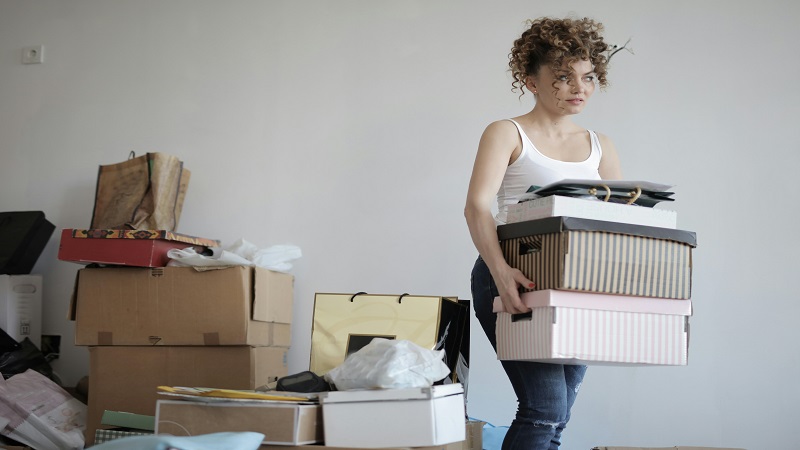
The majority of homes don’t just happen to get messier on their own. Before long, every nook and cranny begins to hold a bit more than it should as items accumulate and drawers fill up. Practical storage concepts are important because of this. They bring a sense of calm to areas that seem crowded or overburdened. Families are increasingly choosing solutions that fit into daily routines over large-scale renovations.
The following suggestions concentrate on modifications that are practical while also making rooms function better and look nicer.
1. Make Better Use of Empty Wall Space
Walls often hold the answer to crowded rooms. Even the smallest open space beside a wardrobe, in a hallway, or above a desk can become valuable storage. Floating shelves, slim rails, and pegboards help keep essentials visible and out of the way. These additions work especially well in kitchens and entryways where things tend to accumulate.
Design professionals continue to highlight vertical storage because it pulls clutter off the ground and can make a tight room feel more open. A few thoughtful pieces mounted on the wall often improve a room far more than adding another cabinet.
2. Lean Toward Modular Storage That Adjusts Over Time
Life changes, and storage needs to change with it. Modular units, for example, cubes, adjustable shelves, or sliding drawers, have become popular because they can be shifted around without a full redesign. A shelf that holds toys today might store craft supplies or office documents later.
Many homeowners like mixing materials to keep the look grounded: metal for sturdiness, wood for warmth, and baskets or soft bins to keep things tidy without feeling rigid. This mix works well in multipurpose rooms where storage needs shift often.
3. Pay Attention to Spaces That Usually Go Unnoticed
Some of the best storage improvements hide in places most people walk right past. A narrow gap beside a fridge can hold a pull-out rack. The area above a door can store off-season items. Even the inside of a cupboard door becomes useful when fitted with a rack for spices or cleaning bottles.
These small touches don’t require complicated tools or renovation work. They simply make use of spaces that already exist but aren’t doing much.
4. Bring Order to Garages and Utility Areas
Garages, laundry rooms, and utility spaces tend to attract clutter quickly. Sturdy shelves, clear tubs, or wall-mounted panels create structure and reduce the chance of things piling up. These areas benefit from systems that keep heavy items stored safely and within reach.
During small fixes like trimming metal brackets or adjusting hardware, some homeowners use tools that require precision. That’s where tools such as angle grinder discs become helpful. It’s a simple way to point readers toward equipment often used when cutting or smoothing tougher materials.
5. Add Storage That Makes Everyday Tasks Smoother
A few intentional tweaks can make every day routines feel easier. For example:
- a basket near the entrance for shoes or school essentials
- drawer inserts that keep utensils separated
- stackable organisers under bathroom sinks
- shelves above the washer to hold detergents and cleaning supplies
Homes with consistent “drop zones” and clear organising habits tend to stay tidier with less effort. These simple additions bring structure to places that often become chaotic.
6. Keep Organisation Sustainable, Not Just Stylish
Long-term organisation works best when it’s simple. Clear bins for seasonal items, labels that stay readable, and breathable containers for linens help keep things sorted throughout the year. Updating lighting in closets or pantries also makes a big difference, since visibility encourages better habits.
A home doesn’t need to be perfectly arranged; it just needs a system that supports daily life. Once each item has a logical spot, maintenance becomes much easier.
A more organised home isn’t about perfection or strict rules. It’s about creating spaces that feel easier to live in and easier to take care of. With a few practical changes and an eye for using space wisely, any home can feel more comfortable, calm, and intentionally put together.