
Key Takeaways
- Strong sports surfaces start with a clear understanding of the site, users, drainage, and expected traffic.
- Material selection should be based on performance requirements, not simply color, price, or appearance.
- Small issues such as puddles, cracks, loose edges, and faded markings should be documented and addressed early.
- Maintenance planning protects player safety, preserves the facility budget, and helps avoid unexpected closures.
- Every court, track, field area, and multipurpose space needs a plan that reflects its unique use.
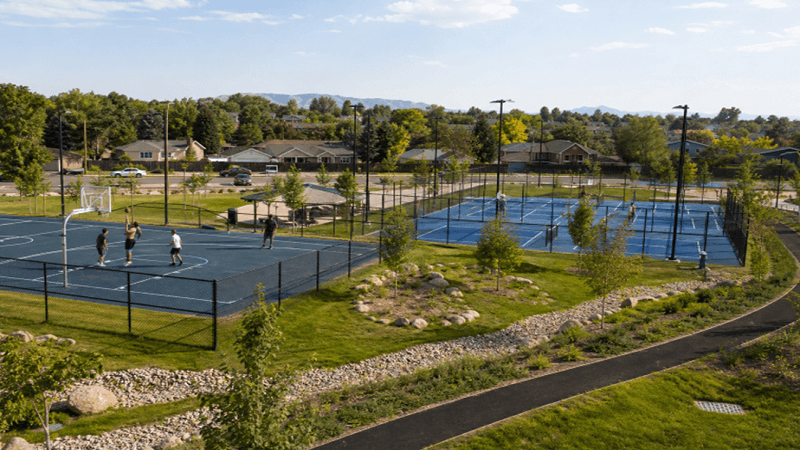
Community sports surfaces are long-term public investments rather than one-time construction projects. Schools, parks departments, neighborhood associations, and recreation centers should consider how the space will be used now and how those needs may evolve over the coming years. Facility leaders can review maintenance and construction priorities before starting a project to make more informed decisions. For additional guidance on court maintenance and sports construction, go to the site.
A surface can look excellent on opening day and still develop problems quickly if its base, drainage, coating, or maintenance needs were overlooked. Safer, longer-lasting results come from making decisions in the right order: assess the site, select the right system, prepare the foundation, establish inspection routines, and budget for future care.
Why Surface Planning Matters From Day One
Early planning affects safety, ball response, traction, comfort, appearance, and repair costs. A high-use basketball court for teens and adults has different needs from a lightly used pickleball court, a school running area, or a flexible recreation pad. Climate matters too. Heat, freeze-thaw cycles, heavy rain, shade, tree roots, and standing water can all shorten a surface’s usable life.
Planning should also account for athlete age, accessibility needs, spectator flow, equipment storage, lighting, and future programming. A multipurpose facility may need durable markings and flexible layouts, while a single-sport surface may benefit from more specialized materials and dimensions.
Start With A Site And User Assessment
Before choosing materials or approving drawings, inspect the property closely. A site review should identify:
- Slope, soil conditions, low spots, existing drainage paths, and areas where water collects after rain.
- Sun exposure, shade patterns, nearby trees, roots, and falling debris.
- Expected weekly use, including league play, school programs, open recreation, camps, and tournaments.
- The sports, age groups, ability levels, and accessibility needs the facility must support.
- Access for construction equipment, maintenance staff, emergency vehicles, fencing, lighting, and spectators.
It is also wise to ask whether the space may serve a different purpose later. Designing for flexibility can reduce the need for a costly overhaul if community demand changes.
Choose Materials Based On Use, Not Appearance
Asphalt, concrete, acrylic-coated systems, synthetic materials, wood, and cushioned surfaces each have different strengths. Some systems offer a firmer feel and predictable ball response, while others may provide greater impact reduction or comfort. The best choice depends on the intended sport, site conditions, budget, cleaning requirements, and expected level of use.
Review technical data, warranties, approved cleaning methods, repair procedures, heat response, and expected service life before selecting a system. A surface that works well for one activity may not offer the traction, resilience, or drainage characteristics required for another.
Build A Reliable Base And Drainage Plan
Water is one of the most common causes of premature surface failure. Repeated puddles can contribute to staining, algae growth, cracking, movement, and uneven wear. Effective drainage depends on grading, soil preparation, aggregate layers, edge details, and a clear route for water to leave the site.
Understanding the difference between surface and subsurface drainage systems can help project teams recognize that a visible water problem may begin below the playing area. For example, puddles along one court edge may indicate poor grading or a blocked drainage route rather than a failure in the top coating.
Design For Safety And Consistent Play
Safe facilities need stable footing, smooth transitions, visible lines, secure equipment, and consistent playing conditions. Inspect for raised cracks, loose edging, damaged joints, surface heaving, exposed roots, worn coatings, and uneven areas that could create trip hazards.
Include adequate run-off space, secure goals and nets, clear circulation paths, appropriate lighting, and accessible entry points. Project teams should review accessible routes early so that paths to the facility are considered alongside the sports surface itself.
Create A Maintenance Schedule Before Opening Day
Maintenance is most effective when scheduled rather than delayed until complaints arise. A practical routine can include the following:
- Daily or after heavy use: Remove litter, address spills, inspect movable equipment, and look for immediate hazards.
- Monthly: Check cracks, drainage areas, line markings, fencing, nets, goals, benches, and lighting.
- Seasonally: Clean the surface, remove debris, inspect weather-related damage, and prepare for temperature changes.
- Annually: Complete a detailed condition review, prioritize repairs, and update the maintenance budget.
Know When Cleaning Is Enough
Dirt, leaves, algae, oils, and debris can reduce traction and block drainage. Routine cleaning may solve minor buildup, but it will not repair cracks, settlement, peeling coatings, or drainage failures. Avoid harsh chemicals and aggressive equipment unless they are approved for the specific surface system.
Keep a simple record of cleaning dates, products used, weather conditions, and visible changes. These notes can help identify whether a recurring issue is caused by maintenance practices, heavy use, drainage, or surface deterioration.
Spot Small Problems Before They Spread
Use a consistent inspection process. Mark and photograph cracks, soft spots, puddles, peeling areas, faded markings, and color changes. Record when the issue appeared, whether it worsens after rain, and whether nearby roots, curbs, joints, or drainage features show related damage.
Then assign repair priority based on safety risk, water exposure, size, location, and rate of growth. A small crack in a low-traffic corner may be monitored, while a raised crack in a busy playing area may require prompt action.
Plan Repairs Around The Facility Calendar
Repair timing affects both quality and community disruption. Schedule major work during school breaks, off-seasons, or other low-use periods whenever possible. Allow time for preparation, weather delays, curing, inspections, and line painting before reopening the facility.
Notify teams, residents, staff, and program leaders early. Clear closure notices help reduce frustration and encourage users to respect restricted areas while repairs are underway.
Budget For The Full Life Of The Surface
The initial installation price is only one part of the cost. A realistic plan includes site preparation, drainage, equipment, cleaning, inspections, repairs, resurfacing, lighting, and eventual replacement. Setting aside an annual reserve can make preventive work easier to approve and reduce the likelihood of emergency closures.
A Simple 2026 Action Plan
- Inspect the site and document current concerns.
- Define the users, sports, traffic levels, and accessibility needs.
- Review base conditions and water movement before selecting materials.
- Compare surface systems by safety, performance, maintenance needs, and lifetime cost.
- Create a recurring calendar for cleaning, inspection, and repair.
- Set aside funding for the next three to five years of care.
- Review the plan annually as the community’s use changes.
Conclusion
Safer, longer-lasting sports surfaces result from consistent attention to the details that users may never see, including site preparation, drainage, base construction, inspection records, and timely repairs. When facility managers treat the surface as a long-term asset, they can create more reliable places for recreation, competition, and community connection.