
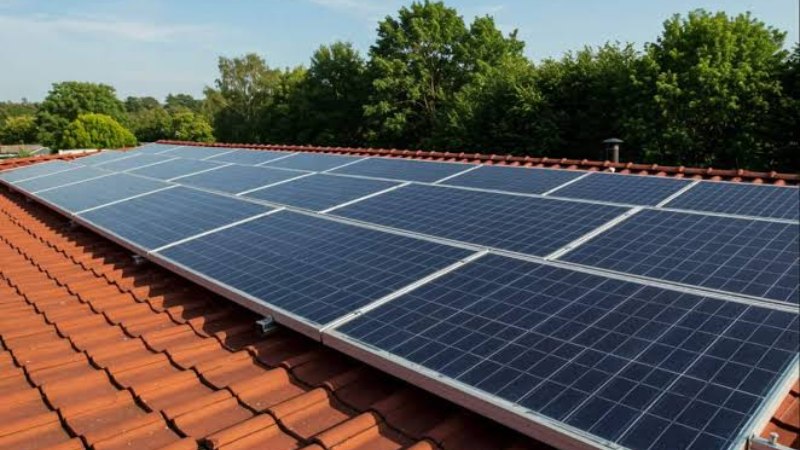
Residential solar has a well-developed playbook — site assessment, roof evaluation, system sizing, permitting, installation. Multifamily solar follows a version of that playbook but with significantly more complexity at nearly every step. The decisions that are straightforward for a single-family home become layered with ownership structures, tenant considerations, and utility regulatory questions in a multifamily context.
Ownership and Benefit Allocation
The central challenge in multifamily solar is matching who pays for the system with who benefits from it. Solar roofing for multifamily residential developments typically falls into one of three models: owner-only benefit (common area and mechanical systems only), tenant benefit through virtual net metering or community solar structures, or a full building electrification approach that integrates solar with heat pumps and storage.
The right model depends on the building’s ownership structure, existing tenant leases, state regulatory environment, and the owner’s investment horizon. Each approach has different economics and different complexity.
Roof Condition and Structural Considerations
Multifamily roofs often have more mechanical equipment — HVAC units, exhaust systems, elevator equipment rooms — that competes with panel placement for available roof space. A detailed roof survey that maps usable area against obstruction setbacks is essential before any system sizing conversations.
The National Renewable Energy Laboratory publishes research on multifamily solar deployment that includes practical guidance on roof space utilization, shading analysis methodology, and financial structuring options for different ownership types.
Utility Interconnection for Larger Systems
Multifamily solar systems are typically larger than residential systems and often fall into a different interconnection tier with the utility. Larger systems may require engineering studies, additional protective equipment, or extended interconnection review timelines — all of which affect project economics and schedules.
Understanding the interconnection process in your utility territory before committing to a system size helps set realistic expectations and avoids the scenario where a system is designed around economics that don’t survive the interconnection process.
Financing Structures That Work for Multifamily
Multifamily solar financing has more options than residential — C-PACE financing, tax equity structures for larger projects, utility green tariff programs, and direct ownership with bonus depreciation all apply depending on project size and ownership entity type. Working with a solar developer who has multifamily experience specifically, rather than a residential installer scaling up, typically produces better outcomes on the financing side.