
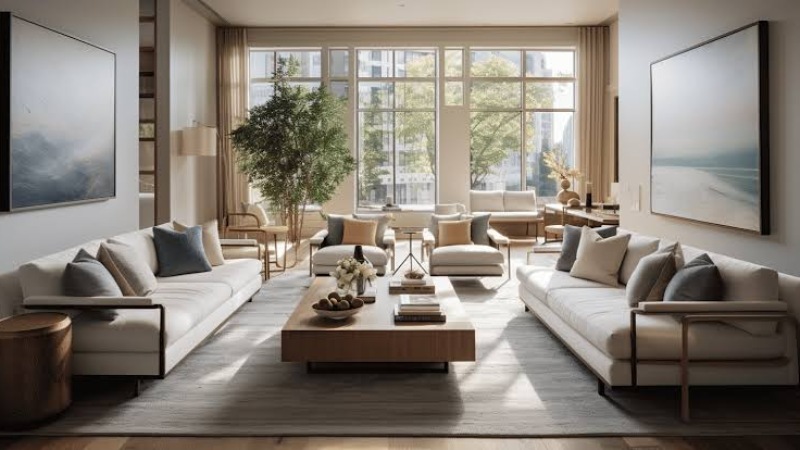
Transforming your home into a modern sanctuary means balancing creativity, practical choices, and thoughtful design. As lifestyles evolve, homeowners often look for ways to blend relaxing aesthetics with modern functionality. Whether your focus is comfort, style, or raising your home’s value, embracing thoughtful renovation can help you achieve those goals.
If you’re seeking inspiration or hands-on expertise, home remodeling Fort Collins by Wellspring Remodeling is an excellent resource for full-scale renovations and custom upgrades. Wellspring Home Services is a trusted local company specializing in comprehensive home remodeling solutions throughout the Fort Collins area and Northern Colorado. With a reputation for blending innovative design with high-quality craftsmanship, Wellspring Home Services brings expert guidance to every phase of the remodeling journey. Their website offers helpful information on design trends, renovation processes, and specific services tailored to transforming your living space.
Open-Concept Living Spaces
Removing unnecessary interior walls is one of the most popular ways to modernize a home. Open-concept layouts improve the flow of movement and make spaces feel larger and more welcoming. For example, combining the kitchen, dining, and living areas creates vibrant communal zones where conversations can continue while cooking or entertaining guests. Abundant natural light disperses through fewer walls, boosting brightness and mood in your living spaces. Open-concept design also allows for flexibility in furniture arrangements and décor, making your home adaptable to changes as your family’s needs evolve.
When pursuing an open-concept design, consider how flooring and ceiling treatments can help maintain definition between different zones without erecting new barriers. For instance, using area rugs or distinctive floor materials can visually separate the dining space from the living room while maintaining a cohesive flow. Incorporating strategically placed lighting, such as pendant lights or recessed fixtures, can further enhance the ambiance and usability of each connected area. Remember to plan your renovated layout around natural “traffic” patterns so that each space remains functional, intuitive, and harmonious for guests and family members alike.
Sustainable Materials and Energy Efficiency
Integrating sustainability into your renovation not only benefits the planet but can also reduce long-term costs. Choosing materials like reclaimed wood, bamboo flooring, or recycled metal fixtures introduces unique character and durability. These eco-friendly materials often have a lower environmental impact than traditional options. Upgrading to high-efficiency appliances and incorporating features such as low-flow plumbing and LED lighting can greatly decrease energy consumption. Many homeowners are also installing solar panels or opting for improved insulation and smart HVAC systems, turning their properties into models of green living.
Carefully selecting paints and finishes with low or zero VOCs (volatile organic compounds) is another step towards healthier indoor air quality. When sourcing materials, try to support local manufacturers and suppliers, as this reduces transportation emissions and helps bolster local economies. Eco-conscious landscaping, such as adding native plants or installing rainwater collection systems, can extend your commitment to sustainability beyond the home’s four walls, creating a healthier environment for you and your neighborhood.
Smart Home Integration
Modern homes are becoming smarter, and incorporating advanced technology can offer comfort and security to your daily routine. Automated lighting, smart thermostats, keyless locks, and remote security cameras all provide greater control even when you are away. Features such as programmable blinds, voice-controlled speakers, and connected home systems integrate easily into various design styles without sacrificing your home’s aesthetics. A well-planned smart home setup makes life more convenient and can enhance your property’s resale value. Exploring new gadgets and integrations helps keep your space adaptable to evolving technological advances.
Personalized Design Elements
No two homeowners are alike, and personalizing your house ensures it reflects who you are. Custom woodworking, built-in shelving, and accent walls introduce individuality where it matters most. Work with a designer or create a vision board to determine which unique touches should stand out, such as bold lighting, expressive paint colors, or eclectic art collections. A personalized approach amplifies your connection to your home and can make even compact spaces feel more curated and intentional. Adding distinctive vintage finds or handmade décor brings warmth and personality that mass-produced furnishings can’t replicate.
Incorporating objects with sentimental value, such as heirloom furniture or locally crafted artwork, can further deepen your sense of belonging and comfort. Layering textiles like throw blankets, decorative pillows, and unique curtains can help evoke coziness and provide seasonal refreshes without major renovations. Trying out textured wallpapers or statement tiles in feature areas may also help add visual intrigue while staying true to your unique taste.
Maximizing Small Spaces
Smaller homes or tight floor plans don’t have to compromise on creativity or functionality. Building upward with loft spaces, rooftop terraces, or mezzanines allows you to add square footage without expanding the home’s footprint. Strategic storage solutions, such as under-stair drawers or built-in benches, help keep clutter out of sight and create a seamless, organized feel. Transforming attics or basements into livable areas, such as home offices or entertainment rooms, is another way to unlock their potential.
Embracing Minimalism
Minimalist design has surged in popularity for its clean lines and calming atmosphere. Paring back on excess and emphasizing intentional purchases can promote a sense of serenity and focus. Choose quality over quantity in your furnishings and décor, and seek out storage that tucks away essentials while maintaining a sleek look. Neutral color palettes and uncluttered surfaces transform busy rooms into peaceful retreats and improve the sense of spaciousness even in modest homes. A minimalist approach not only brings visual tranquility but also makes cleaning and maintenance less burdensome, allowing you to spend more time simply enjoying your home.
Minimalism isn’t about living with barely anything, but rather about being purposeful with what you display and use daily. By mindfully curating what stays in your home, you can highlight architectural features, favorite pieces, or important family treasures without creating visual noise. Even a small entryway or hallway can benefit from minimalist ideas—think streamlined hooks and hidden shoe storage to keep traffic flow smooth and spaces inviting for residents and guests.
Conclusion
A thoughtful renovation empowers you to customize your living space to match current needs, tastes, and values. Implementing open-concept layouts, sustainable materials, smart technology, and personalized elements creates a contemporary home that feels both functional and meaningful. Whether you’re in a sprawling house or a compact urban dwelling, even modest upgrades can deliver aesthetic and financial rewards, turning your property into a true modern sanctuary.