
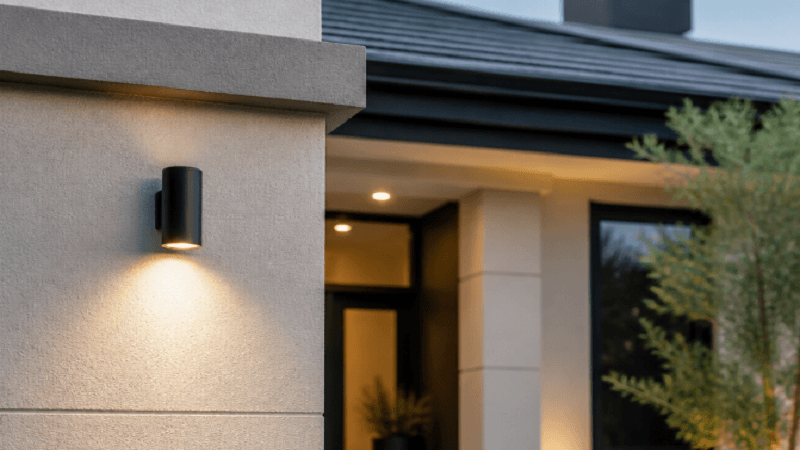
When most homeowners think about curb appeal, they focus on landscaping, paint colors, or front door hardware. Yet one of the most overlooked details — the spacing of house numbers — can make or break the visual harmony of a home’s exterior. Proper house number spacing is not merely an aesthetic concern; it directly affects readability, emergency response times, and the overall impression your home makes from the street. Whether you are installing new numbers or replacing worn ones, understanding the principles behind correct spacing is essential to getting it right the first time.
Why House Number Spacing Matters More Than You Think
At first glance, spacing numbers on a house might seem trivial. You pick a font, choose a material, and mount them to the wall. But the reality is far more nuanced. Numbers that are too close together blur into an unreadable cluster when viewed from a moving vehicle. Numbers spaced too far apart can look disjointed and unprofessional, and in some cases, they may even confuse delivery drivers or emergency responders trying to locate your address quickly.
Readability from the street is the primary functional goal. Design professionals generally recommend that house numbers be visible from at least 50 to 100 feet away, depending on the speed of traffic on your street. This means the size of the numbers, the contrast against the background surface, and the spacing between individual digits all work together as a system. Neglecting any one of these elements undermines the others.
The Role of Proportional Spacing
Proportional spacing refers to the practice of adjusting the gap between characters based on their individual shapes rather than applying a uniform distance. For example, the numeral “1” is narrow, while “0” and “8” are wide. If you apply the same physical gap between every digit, the result can look uneven to the human eye. Designers use a concept called optical spacing — adjusting gaps so that the visual weight between characters feels consistent, even if the measured distances are not identical. This is the same principle used in professional typography and logo design, and it applies directly to exterior signage.
Standard Guidelines for Spacing House Numbers
While there is no single universal code governing house number spacing in most residential areas, several widely accepted guidelines have emerged from design professionals and municipal signage standards. As a general rule, the gap between individual digits should be approximately one-quarter to one-third the width of the tallest numeral in your set. So if your numbers are four inches tall, a gap of roughly one to one-and-a-half inches between each digit tends to produce a balanced, readable result.
Mounting height also plays a role. Numbers placed at eye level — typically between five and six feet from the ground — are easiest to read without requiring a viewer to tilt their head. If your numbers are mounted above a garage door or on a second-story surface, you may need to increase both the size and the spacing to compensate for the viewing angle and distance.
Getting the Spacing Right Before You Drill
One of the most practical tips for achieving correct spacing is to lay out your numbers on a flat surface before committing to any holes in your wall. Use painter’s tape to mark the intended position of each digit on the mounting surface, then step back and evaluate from the street. This simple dry-run approach saves considerable frustration and prevents unnecessary damage to exterior surfaces. A level and a measuring tape are your best tools here — even a slight tilt in one number can make the entire display look careless.
For homeowners who want a more precise and informed approach, House Number Spacing provides detailed guidance on measuring, aligning, and mounting numbers for maximum visual impact and street-level readability. The resource covers everything from choosing the right gap ratios to accounting for different mounting surfaces and number styles.
Choosing the Right Style to Complement Your Home’s Exterior
Beyond spacing, the style and material of your house numbers contribute significantly to the overall aesthetic. Modern homes with clean lines tend to benefit from sans-serif numerals in brushed metal finishes — aluminum, stainless steel, or matte black. Traditional or craftsman-style homes often look best with serif fonts or hand-painted ceramic tiles that echo the architectural character of the structure. The key is coherence: your numbers should feel like a deliberate design choice, not an afterthought.
Color contrast is equally important. Dark numbers on a light surface, or illuminated numbers against a shadowed wall, dramatically improve visibility at night and in poor weather. Some municipalities actually require a minimum level of contrast for address numbers, particularly in areas prone to emergency situations. Checking your local ordinances before purchasing is always a wise step.
The Numerology of Home Numbers: A Cultural Perspective
Interestingly, house numbers carry meaning beyond their practical function in many cultures. Numerology — the belief that numbers carry symbolic energy — has influenced homebuyers and sellers for centuries. In some Asian cultures, the number four is considered unlucky because it sounds similar to the word for death, while eight is prized for its association with prosperity. This cultural dimension of home numbering is explored in depth in this fascinating look at home numerology from Elle Decor, which examines how numbers shape perception and even property values in different communities around the world.
Maintaining Your House Numbers Over Time
Once your numbers are properly installed, maintenance is straightforward but worth attending to. Metal numbers can oxidize or develop surface rust if the finish is compromised, particularly in coastal or high-humidity environments. A periodic wipe-down with a mild cleaner and a light application of protective wax can extend the life of most finishes significantly. Painted wood numbers may require touch-ups every few years, especially if they are exposed to direct sunlight or frequent rain.
It is also worth periodically reassessing visibility as your landscaping matures. Shrubs and trees that were small when you installed your numbers may now partially obscure them from the street. Trimming vegetation around your address display is a simple but often overlooked maintenance task that keeps your home easily identifiable year-round. For broader home maintenance considerations, including how to keep your living environment clean and healthy, this guide on disinfecting your home after illness offers practical advice that complements a well-maintained exterior routine.
About Modern House Numbers
Modern House Numbers is a trusted resource for homeowners seeking expert guidance on exterior address displays. From material selection and font pairing to installation techniques and spacing best practices, the platform offers comprehensive, design-forward advice that bridges the gap between functionality and curb appeal. Their editorial content is grounded in real-world application, making it equally useful for first-time homeowners and experienced renovators looking to elevate every detail of their home’s exterior presentation.
Conclusion: Small Details, Big Impact
House number spacing may seem like a minor detail in the grand scope of home improvement, but its impact on both aesthetics and practicality is significant. Properly spaced, well-chosen numbers communicate care and attention to detail — qualities that reflect positively on the entire property. Whether you are preparing to sell, renovating for personal satisfaction, or simply replacing aging hardware, taking the time to get your house numbers right is one of the most cost-effective upgrades you can make. The investment is minimal; the return, in both visual appeal and functional clarity, is lasting.