
Rental costs can get out of hand quicker than anyone would like. But with a clear budget, some clever upgrades, and basic tax awareness will help you keep track of costs and keep your renal working in your favor.
Buying a rental sounds simple at the start. Rent comes in, bills go out, and the difference is yours. Then the real numbers show up. A repair here, a bigger job there, and suddenly it is not just about collecting rent; it is about keeping the place running without burning through your budget.
Getting Your Numbers Straight Before You Spend
A rental works best when the numbers are clear before anything goes wrong. Rent is one side of the story; the other side is the steady flow of costs that never quite stop. Small fixes come up, larger jobs sit on the horizon, and both need space in the budget.
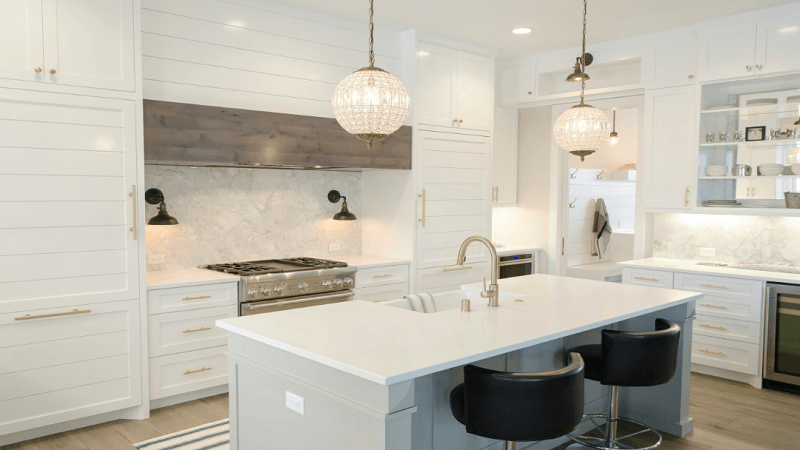
Bigger projects tend to arrive sooner than expected. A kitchen update, for example, can move from optional to necessary once wear starts showing. The process of planning that kind of work looks similar to what goes into choosing kitchen remodelers, where cost, timing, and reliability all need to line up.
Clear landlord budgeting tips start here. A simple plan that separates routine spending from larger upgrades keeps the property stable and avoids sudden pressure.
Where a Structured Study Fits In
Breaking a property into its individual parts requires a detailed review that turns a single asset into a set of components, each with its own timeline.
That is the role of R.E. Cost Seg, which produces a report and a depreciation schedule that can be used for filing. The process involves analysing the property, classifying assets, and delivering numbers that fit directly into tax reporting.
This is where rough estimates become usable figures. For someone trying to estimate rental tax savings, this step connects the theory to actual numbers.
Repairs vs Improvements: Knowing Where Money Goes
Not every dollar spent on a property works the same way. Some costs keep things running, while others change the standard of the home.
A repair fixes what is already there. A leaking tap gets sorted. A damaged surface gets replaced. The property stays at the same level. An improvement goes further. A new deck or a full kitchen upgrade raises the overall value and usually lasts longer.
This is the core of rental expenses vs improvements. One keeps the place going, the other builds something new into it, and that difference carries through into tax treatment.
What Depreciation Means for a Rental Property
This begs the question, what is depreciation rental property? Depreciation is simply the way the cost of a property gets spread out for tax purposes. A residential rental is written off over 27.5 years. A $275,000 building works out to roughly $10,000 per year as a deduction.
This is not cash leaving your account. It is a paper adjustment that reduces taxable income. The rules behind it sit in the IRS guidance, which defines how income-producing property is handled and what qualifies.
This is where tax basics for rental owners begin. The building moves slowly, but parts of it do not have to follow that same timeline.
Timing and Structure Change the Numbers
Certain parts of a property can be written off faster once they are separated out. Fixtures, flooring, and systems can fall into shorter schedules such as 5, 7, or 15 years.
In many cases, around 20% to 40% of a property can move into these shorter timelines, which changes the deductions in the early years. That shift can turn a steady annual deduction into a much larger one upfront.
For a rental owner, that shows up as improved cash flow in the early years, which makes a real difference when balancing costs against rent.
Running the Numbers Before You Commit
A full study is not always the first step. It helps to get a sense of the potential outcome before committing.
A rental property depreciation calculator takes basic property details and produces an estimate of how much could be brought forward into earlier deductions. Inputs such as purchase price and property type feed into a model that gives a clearer view of potential savings.
That estimate does not replace a full report, but it gives enough clarity to decide whether the next step makes sense.
Keeping the Budget Under Control
A rental property rarely creates one large cost at once. Expenses build through smaller jobs, occasional upgrades, and the ongoing demands of ownership.
Tracking repairs separately from improvements keeps the picture clear. Setting aside funds for larger work avoids pressure later. Keeping records of what has been done makes tax time easier.
Once the numbers are visible, decisions become simpler, and the property becomes easier to manage without guesswork.