
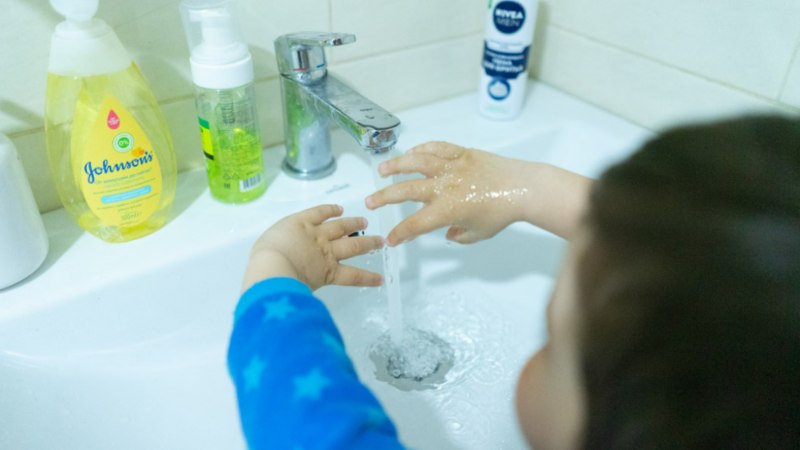
Morning and evening routines involve many small tasks that children are expected to complete every day. Brushing teeth, washing hands, getting dressed, bathing, and preparing for bed may seem straightforward, but these activities can be challenging for children who need additional support with daily living skills.
Developing independence takes practice, patience, and clear expectations. With consistent guidance, children can gradually learn to complete personal care routines with less assistance while building confidence in their everyday abilities.
Understanding the Importance of Daily Living Skills
Daily living skills help children take care of their personal needs and participate more independently at home. These include basic hygiene, dressing, grooming, toileting, and preparing for everyday activities.
Children develop these abilities at different rates. Some may learn to brush their teeth independently but need help choosing appropriate clothing or remembering the steps involved in bathing.
Teaching these skills early gives children more opportunities to practise them as part of everyday life. Small improvements in personal care can make a meaningful difference to confidence, comfort, and independence.
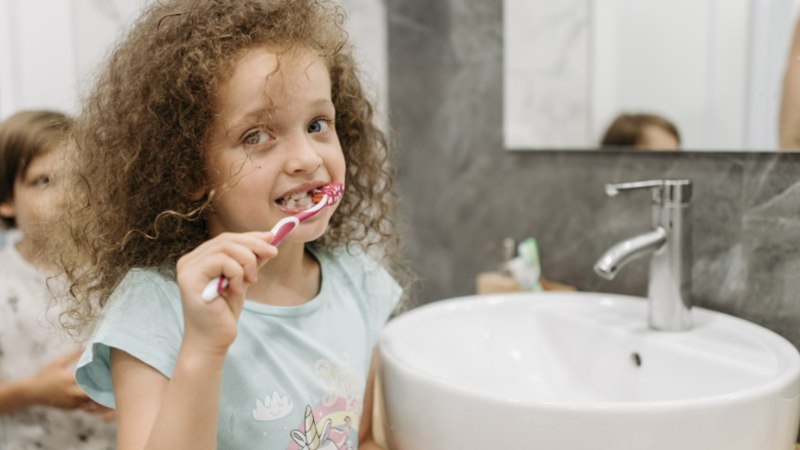
Breaking down toothbrushing into smaller steps can help children understand each part of the activity and gradually complete the routine with less assistance.
Identifying Challenges in Morning and Evening Routines
Morning routines often involve several tasks that need to happen within a limited amount of time. Children may be expected to wake up, use the bathroom, wash their face, brush their teeth, get dressed, and prepare for school.
Moving between these activities can be difficult for children who prefer predictable routines or need additional time to process instructions. Repeated reminders may become necessary when they are unsure what comes next.
Parents can begin by observing which tasks cause the most difficulty. Identifying whether the challenge involves sensory discomfort, remembering steps, understanding instructions, or completing physical movements helps make support more effective.
Breaking Hygiene Tasks Into Manageable Steps
A task that seems simple to an adult may involve several separate actions for a child. Brushing teeth, for example, requires finding a toothbrush, applying toothpaste, brushing different areas, rinsing, and putting everything away.
Breaking the activity into smaller steps makes each part easier to understand and practise. Parents can teach one part at a time before gradually helping the child complete the entire routine.
Prompts can be used when a child needs assistance, but they should be adjusted as skills develop. Gradually reducing verbal or physical guidance gives children opportunities to complete more steps independently.
Using Visual Schedules to Build Consistency
Visual schedules help children understand what needs to happen and in what order. Pictures, symbols, or written instructions can make routines easier to follow without requiring an adult to repeat every direction.
A morning schedule might show a sequence of getting dressed, brushing teeth, washing the face, and eating breakfast. An evening version could include bathing, changing into sleepwear, brushing teeth, and preparing for bed.
Adapting to daily living skill strategies can make routines clearer and more manageable. The most effective visual support is one the child understands and can use consistently.
Addressing Sensory Difficulties During Personal Care
Some hygiene activities involve sensations that children may find uncomfortable. Toothpaste flavours, water temperature, bathroom lighting, clothing textures, and the sound of electric toothbrushes can all affect participation.
A child who avoids brushing their teeth may not be refusing the task itself. They might dislike the taste of toothpaste or find the sensation of brushing uncomfortable.
It is important to introduce changes gradually and observe the child’s response. Forcing a child through an uncomfortable experience can increase distress and make the routine harder to establish over time.
Encouraging Independence Through Positive Reinforcement
Learning personal care skills requires repetition, and children benefit from having their efforts recognised. Positive reinforcement can encourage them to participate and practise newly learned steps.
Reinforcement should support progress rather than create pressure for perfection. If a child completes only part of a routine independently, recognising that effort can encourage them to keep practising.
Preparing your home can also help sessions run smoothly. Having familiar materials available and identifying suitable spaces for activities can make it easier for the first in-home ABA session to begin with clear, practical goals.
Teaching Children to Communicate Their Personal Care Needs
Independence also means being able to communicate when something is uncomfortable or when assistance is needed. Children should have reliable ways to ask for help, request a break, or indicate that they are finished.
Some children may use spoken language, while others communicate through gestures, picture cards, or communication devices. These methods can be incorporated into everyday hygiene routines.
For example, a child might learn to request a different towel, indicate that the water is too hot, or ask for help with a difficult clothing fastener. Being able to express these needs can make personal care more comfortable.
Managing Resistance and Emotional Distress During Hygiene Routines
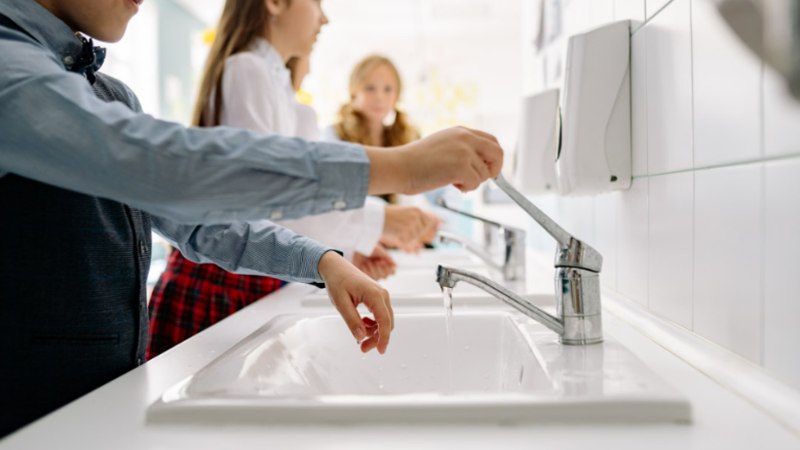
Children may sometimes resist personal care activities, particularly when they feel rushed, uncomfortable, or unsure about what is happening. Repeated demands can increase frustration and turn an ordinary routine into a difficult experience.
Keeping instructions short and offering limited choices can make routines feel more manageable. Allowing a child to choose between two shirts or decide whether to brush their teeth before or after washing their face gives them some control.
When distress escalates, it is important to respond calmly and consider what may have triggered it. You can use appropriate strategies for managing meltdowns while avoiding unnecessary pressure during difficult moments.
Practising Self-Care Skills Through In-Home ABA
Home is a natural setting for teaching daily living skills because children can practise using their own belongings and following familiar routines. Therapists can observe where support is needed and work on specific tasks within the child’s everyday environment.
Sessions may focus on brushing teeth, washing hands, getting dressed, or following a bedtime checklist. A therapist can break each activity into smaller steps and adjust the level of prompting according to the child’s progress.
If you’ve been wanting to get your child ABA therapy at home, you can discuss which personal care goals are most relevant to your child’s daily routine. Practising these skills in the environment where they are needed can make it easier to incorporate them into everyday life.
Working With Parents to Maintain Progress
Parents are essential partners in helping children maintain newly learned skills. They see how routines work in real situations and can identify when a child needs additional support or is ready to try a task independently.
It is also important to adjust goals as children develop. A child who initially needs help with every step of brushing their teeth may eventually need only a reminder to begin.
Families should discuss progress regularly with their therapist. An appropriate ABA therapy provider in Utah, such as Sarah at Aviation ABA, can help parents understand how goals are selected, how progress is evaluated, and how daily living skills can be practised beyond scheduled sessions.
Building Lasting Independence Through Everyday Practice
Self-care skills are not learned overnight. Children need repeated opportunities to practise, make mistakes, and become comfortable completing tasks at their own pace.
Various kinds of daily living skills and independence can provide additional help in understanding the importance of practical skills in everyday functioning. Individual teaching strategies should still reflect each child’s abilities and support needs.
The goal is to help children take an increasingly active role in their own care. With patience, realistic expectations, and consistent support, morning and evening routines can become more predictable, comfortable, and independent.